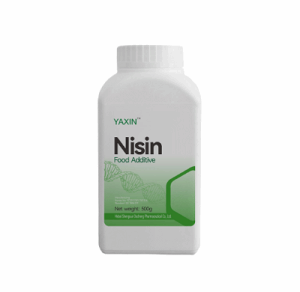
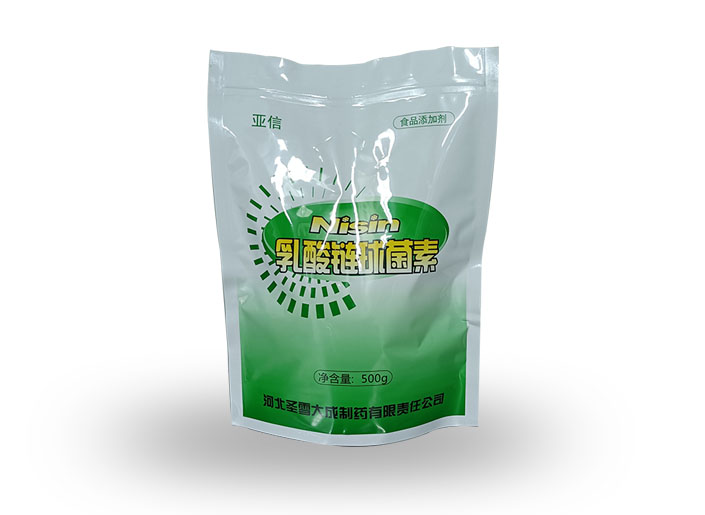
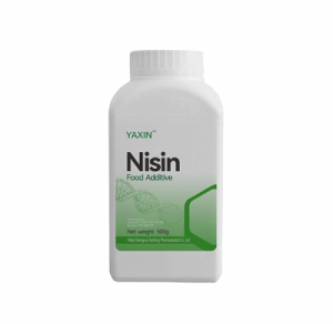
Nisin Manufacturer 500g
The antibacterial mechanism of Nisin does not affect human cells
Nisin exerts its antibacterial effect by destroying the cell membranes of bacteria, especially Gram-positive bacteria such as Staphylococcus aureus and Listeria. However, the cell membrane structure of human cells (such as animal cells) is significantly different from that of bacteria (without a peptidoglycan layer), and Nisin cannot bind to them, thus being non-toxic to human cells.
It has a relatively weak effect on Gram-negative bacteria (such as Escherichia coli) and needs to be used in combination with an acidic environment or chelating agents (such as EDTA) to further reduce the impact on the normal intestinal flora of the human body.
Other supplier products
|
|
Tilmicosin Premix 500g Market Price |
Tilmicosin premix is a veterinary medication that is used to treat and prevent respiratory infections in livestock. The medication is a broad-spect... |
|
|
Nisin Food additive |
One of the benefits of using nisin as a preservative is that it is a natural and safe alternative to synthetic preservatives. Synthetic preservativ... |
|
|
High-quality Tylvalosin Tartrate Premix |
Brand name:Shengxue TaikesCommon name:Tylvalosin tartrate premixMain ingredient:Tylvalosin tartrateCharacteristics:This product is a light yellow-b... |
|
|
Nisin 500G Market quotation |
In recent years, global consumers have increasingly preferred "clean label" foods—products with simple, natural ingredient lists and no artif... |
|
|
Natamycin In Meat Products |
New products coming soon!Welcome to inquire and book! In Meat Products Sausages: During sausage processing, natamycin can be added to the meat mixt... |
All supplier products
Same products