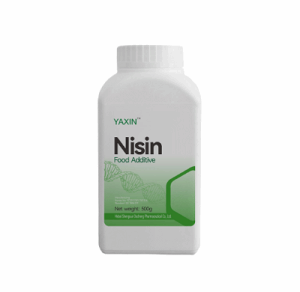
Nisin 500g
The antibacterial mechanism of Nisin does not affect human cells
Nisin exerts its antibacterial effect by destroying the cell membranes of bacteria, especially Gram-positive bacteria such as Staphylococcus aureus and Listeria. However, the cell membrane structure of human cells (such as animal cells) is significantly different from that of bacteria (without a peptidoglycan layer), and Nisin cannot bind to them, thus being non-toxic to human cells.
It has a relatively weak effect on Gram-negative bacteria (such as Escherichia coli) and needs to be used in combination with an acidic environment or chelating agents (such as EDTA) to further reduce the impact on the normal intestinal flora of the human body.
Other supplier products
|
|
Nisin |
Nisin is considered a natural preservative because it is derived from the fermentation of bacteria. As a result, it aligns with consumer preference... |
|
|
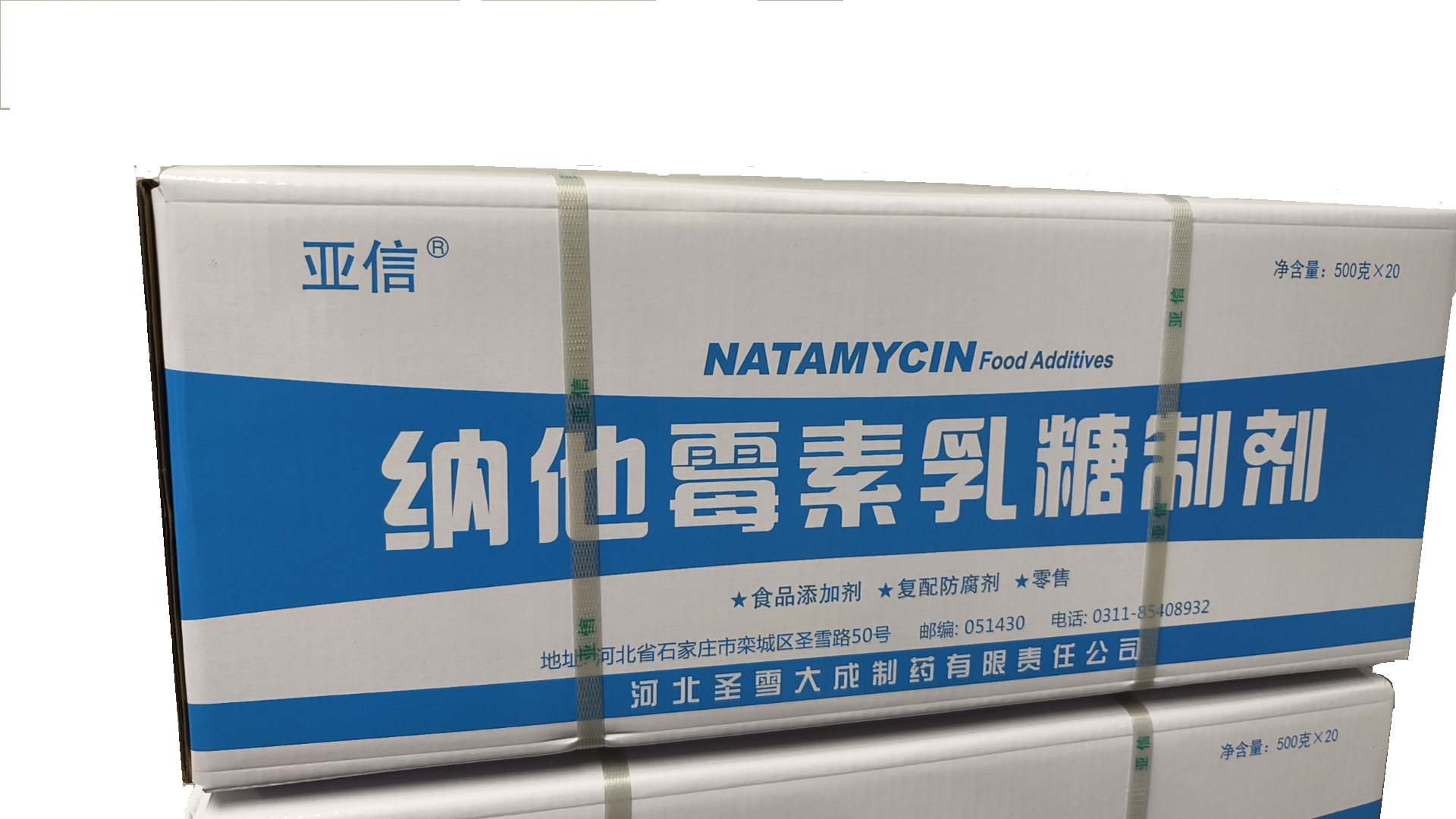
Bulk supply Natamycin |
Natamycin differs from other food preservatives in the scope of use:
Natamycin: In China, it is allowed to be used in cheese, pastries, sauces and ... |
|
|
Nisin |
Nisin is a naturally occurring antimicrobial peptide produced by certain strains of lactic acid bacteria, primarily Lactococcus lactis.It is common... |
|
|
Nisin 500g |
The antibacterial mechanism of Nisin (Nisin) is the core for its function as a natural polypeptide preservative. It is mainly achieved through mult... |
|
|
Natamycin 7681-93-8 |
Natamycin can be used to treat local or systemic fungal infections. For example, made eye drops can be used to treat eye fungal infections, made va... |
供应产品
Same products