DL-Alanine Supply price
The defining feature of a direct food preservative is its ability to target and inhibit the metabolic processes or structural integrity of microorganisms (e.g., disrupting bacterial cell membranes, inhibiting enzyme activity for mold growth). DL-Alanine, as an α-amino acid, does not possess this targeted antimicrobial effect:
- It cannot directly kill or suppress the growth of common food spoilage microorganisms (e.g.,Bacillus subtilis,Aspergillus niger,Saccharomyces cerevisiae) at the low addition levels typically used in food (0.1%–1%, far below concentrations that might have weak antimicrobial effects).
- Unlike Nisin (which targets Gram-positive bacteria) or sodium benzoate (which disrupts microbial acid-base balance), DL-Alanine does not interfere with microbial physiology under normal food processing and storage conditions.
Other supplier products
|
|
L-proline Supplier |
The biological functions of L-prolineProtein structure maintenance: L-proline is one of the 20 common amino acids that make up proteins. Its cyclic... |
|
|
L-proline |
The basic information of L-proline1. Chemical structureMolecular formula: C₅H₉NO₂Molecular weight: 115.13 g/molStructural features: The α -am... |
|
|
L-leucine Partners, long-term cooperation |
L-leucine has a wide range of applications in the fields of medicine, food, and cosmetics, among others. The details are as follows:1.Medical Field... |
|
|
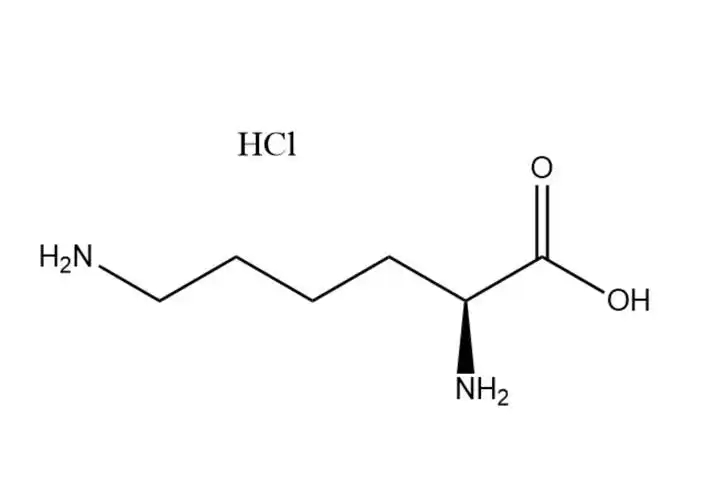
L-Lysine monohydrochloride Supplier |
Solubility ofL-Lysine monohydrochloride
Solubility is the most distinctive physical property of L-lysine monohydrochloride, and its high aqueous s... |
|
|
L-Threonine |
L-Threonine is an essential amino acid with specific physical properties that influence its behavior in biological systems and industrial applicati... |
All supplier products
Same products