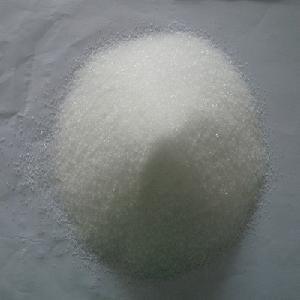
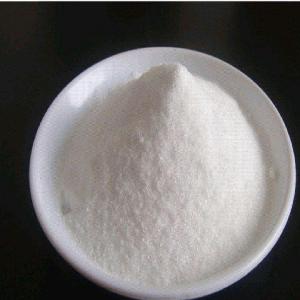
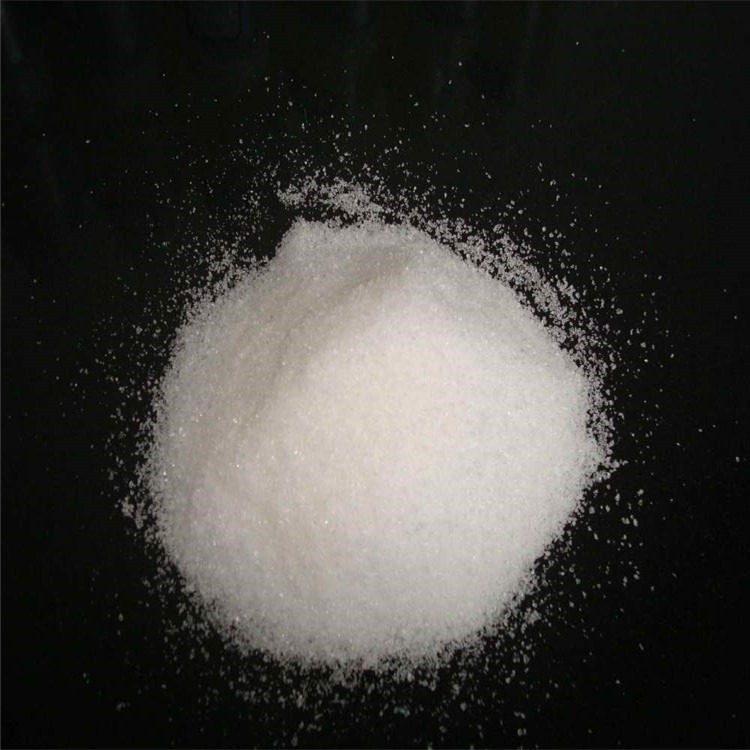
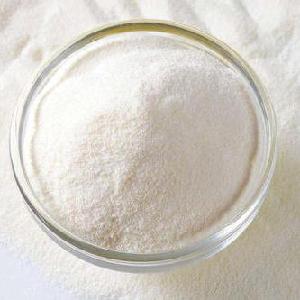
DL-Alanine
The defining feature of a direct food preservative is its ability to target and inhibit the metabolic processes or structural integrity of microorganisms (e.g., disrupting bacterial cell membranes, inhibiting enzyme activity for mold growth). DL-Alanine, as an α-amino acid, does not possess this targeted antimicrobial effect:
- It cannot directly kill or suppress the growth of common food spoilage microorganisms (e.g.,Bacillus subtilis,Aspergillus niger,Saccharomyces cerevisiae) at the low addition levels typically used in food (0.1%–1%, far below concentrations that might have weak antimicrobial effects).
- Unlike Nisin (which targets Gram-positive bacteria) or sodium benzoate (which disrupts microbial acid-base balance), DL-Alanine does not interfere with microbial physiology under normal food processing and storage conditions.
Other supplier products
|
|
L-Methionine powder |
L-Methionine, as an essential sulfur-containing amino acid with diverse biological functions, has widespread applications across food nutrition, an... |
|
|
Sucralose |
Sucralose is a highly sweetening sweetener with excellent properties. It is a white powder product that readily dissolves in water (solubility 28.2... |
|
|
L-Lysine monohydrochloride |
Appearance and Crystallinity ofL-Lysine monohydrochloride
Pure state: White, odorless, crystalline powder or prismatic crystals (orthorhombic ... |
|
|
L-Threonine |
While not a primary preservative, L-threonine can: Improve the stability of proteins and enzymes in processed foods, reducing degradation. Act as a... |
|
|
L-Methionine |
As one of the nine essential amino acids, L-Methionine is a core building block for protein synthesis, serving two critical purposes: It acts as th... |
供应产品
Same products