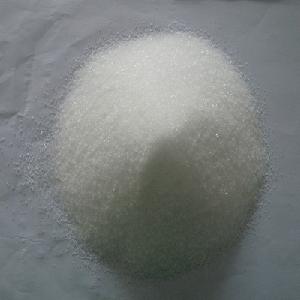
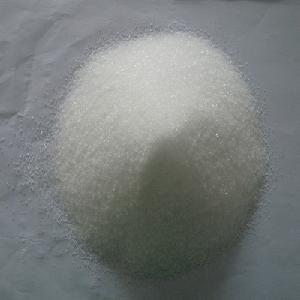
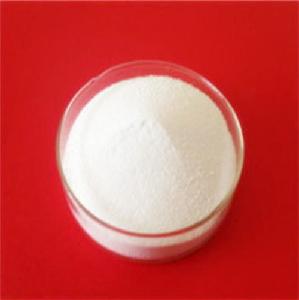
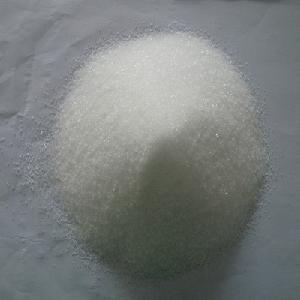
High quality DL-Alanine Powder
Special Notes for Different Grades (Food-Grade vs. Industrial-Grade) Food-grade DL-Alanine: Strictly follow food safety storage standards (e.g., comply with FDA/EFSA guidelines for food additives). Ensure no cross-contamination with non-food substances, and use food-safe containers (e.g., BPA-free plastics, food-grade glass). Industrial-grade DL-Alanine: While purity requirements are lower than food-grade, storage conditions for temperature, humidity, and light remain the same to maintain its usability for industrial processes (e.g., polymer synthesis, feed additives). DL-Alanine can maintain its chemical stability, physical properties, and intended functionality for its entire shelf life, whether used in food, pharmaceuticals, or industrial applications.
Other supplier products
|
|
DL-Alanine Market quotation |
While not a direct preservative, DL-Alanine can indirectly help maintain food quality and extend shelf life through two auxiliary mechanisms: 1. Mo... |
|
|
Wholesale L-Methionine powder |
L-Methionine, as an essential sulfur-containing amino acid, plays multifaceted and irreplaceable roles in the human body, spanning protein synthesi... |
|
|
DL-Alanine Partners, long-term cooperation |
DL-Alanine is not a direct, primary food preservative like traditional preservatives (e.g., Nisin, sodium benzoate, potassium sorbate) whose core f... |
|
|
L-proline Market quotation |
L-proline, to ensure its stable quality and performance, certain conditions need to be met during storage. The following is a detailed introduction... |
|
|
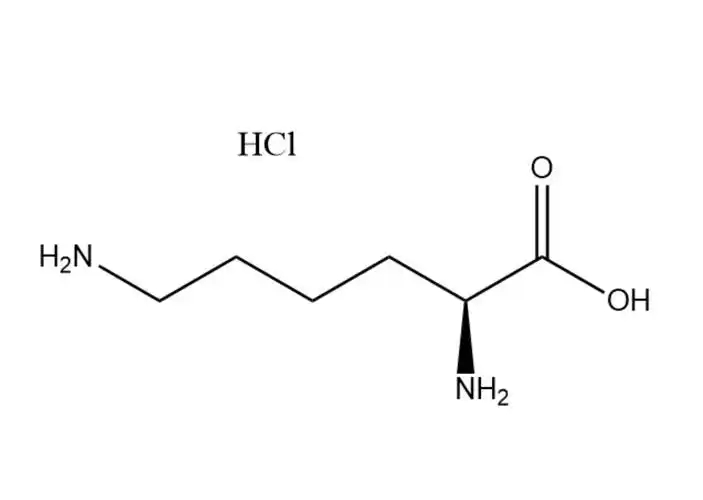
High purity L-lysine monohydrochloride |
In industrial production and application, the following physicochemical properties are the core quality control indices for L-lysine monohydrochlor... |
All supplier products
Same products