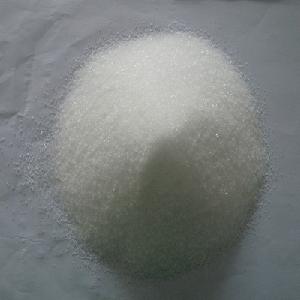
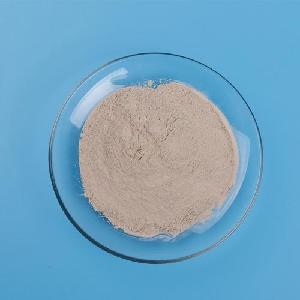
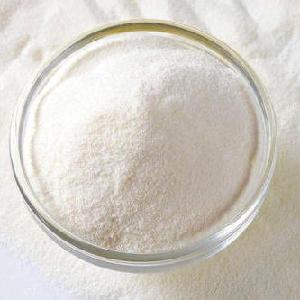
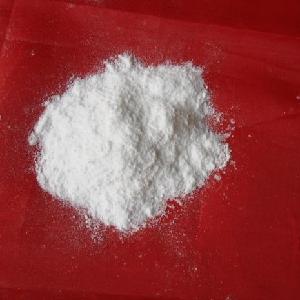
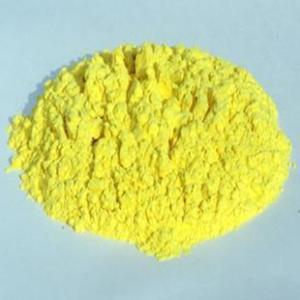
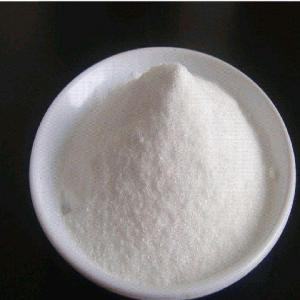
DL-Alanine Powder
Special Notes for Different Grades (Food-Grade vs. Industrial-Grade) Food-grade DL-Alanine: Strictly follow food safety storage standards (e.g., comply with FDA/EFSA guidelines for food additives). Ensure no cross-contamination with non-food substances, and use food-safe containers (e.g., BPA-free plastics, food-grade glass). Industrial-grade DL-Alanine: While purity requirements are lower than food-grade, storage conditions for temperature, humidity, and light remain the same to maintain its usability for industrial processes (e.g., polymer synthesis, feed additives). DL-Alanine can maintain its chemical stability, physical properties, and intended functionality for its entire shelf life, whether used in food, pharmaceuticals, or industrial applications.
Other supplier products
|
|
High quality |
Beyond natural occurrence, L-tryptophan is sometimes added to fortified foods and functional products to enhance nutritional value or provide speci... |
|
|
L-Threonine |
L-Threonine Improves Food Texture and Functionality Dough Conditioner in Baking: Enhances gluten network formation, improving dough elasticity and ... |
|
|
L-Phenylalanine |
L-Phenylalanine is an essential amino acid that plays a critical role in protein synthesis and the production of important compounds in the body, i... |
|
|
α-Lipoic Acid |
Product Usage: Exogenous lipoic acid is reduced by two or more enzymes within the cell. This reduced form affects the cell's process of scavenging ... |
|
|
Sucralose |
Sucralose is a non-nutritive sweetener that is widely used in industries such as beverages, food, medicine, and cosmetics. As it is a new type of n... |
供应产品
Same products