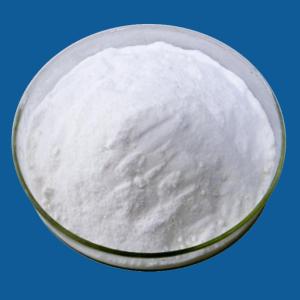
Glycine Marke quotation


Glycine has three reaction centers: amino group, carboxyl group, and methylene group. It has typical and diverse chemical properties.
1. Ampholytic dissociation (amphoteric ion property) exists in the form of inner salt in aqueous solution:
Under acidic conditions: the amino group is protonated and carries a positive charge
Under alkaline conditions: the carboxyl group loses protons and carries a negative charge. This characteristic makes it widely used as a buffer agent and component of electrophoresis buffer solutions.
2. Salting reaction
It reacts with acids to form ammonium salts, and with bases to form carboxylic acid salts;
It can form metal complexes with metal ions (such as copper, nickel, calcium), and is commonly used in electroplating and analytical chemistry.
3. Typical reactions of the carboxyl group
It undergoes esterification reaction with alcohols to form glycine esters
It reacts with ammonia/amines to form amides
At high temperatures, it can dehydrate to form methylamine, which is a basic reaction for synthesizing peptides and drug intermediates.
4. Typical reactions of the amino group
It forms salts with acids
It undergoes addition reaction with aldehydes and ketones
It undergoes acylation reaction with acylating agents (such as Boc₂O, acetic anhydride), used for amino protection
It reacts with nitrous acid to release nitrogen gas, which can be used for quantitative determination
5. Intermolecular dehydration - Peptide formation reaction: Two molecules of glycine dehydrate to form glycylglycine (dipeptide), which is a model reaction for the synthesis of peptides and proteins.
6. Complexation and coordination ability
As a bidentate ligand, it forms stable chelates with Cu²⁺, Ni²⁺, Zn²⁺, Ca²⁺, etc., used as brightening agents in electroplating, complexing agents, and metal ion analysis.
7. Thermal stability and decomposition
It decomposes upon heating at high temperatures, generating ammonia, carbon dioxide, amine compounds, etc. Therefore, the reaction temperature should not be too high.
8. Reductivity and antioxidant properties
It can participate in the synthesis of intracellular reduced glutathione, showing antioxidant and free radical scavenging effects, and is used as an antioxidant aid and stabilizer in food and medicine.
Other supplier products
|
|
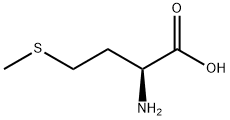
DL-methionine powder |
The α-amino group in DL-methionine has the typical reactivity of a primary amine and can participate in acylation, alkylation, and condensati... |
|
|
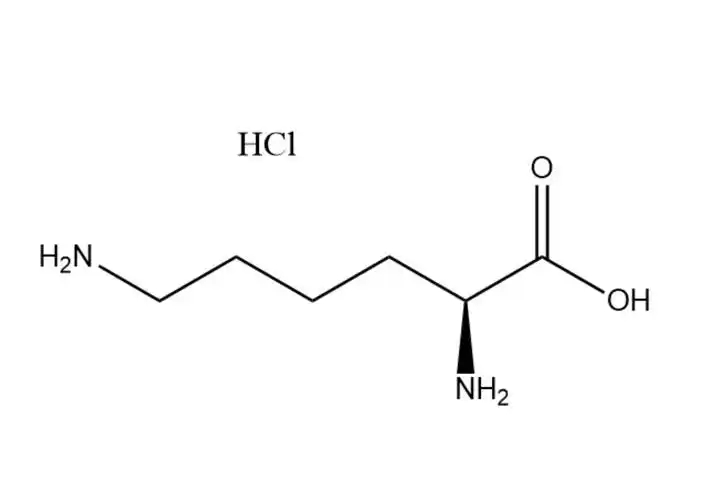
L-Lysine monohydrochloride |
L-Lysine monohydrochloride (molecular formula: C6H14N2O2⋅HCl, CAS No.: 657-27-2) is the hydrochloride salt form of L-lysine—an essen... |
|
|
DL-Alanine Price |
While DL-Alanine is not a direct preservative like Nisin or sodium benzoate, it can indirectly extend food shelf life byregulating the microbial gr... |
|
|
Glycine Supplier |
Glycine is a very simple α-amino acid with the widest range of applications among the non-essential amino acids in the human body. Due to its... |
|
|
L-proline Market quotation |
L-proline, to ensure its stable quality and performance, certain conditions need to be met during storage. The following is a detailed introduction... |
All supplier products
Same products