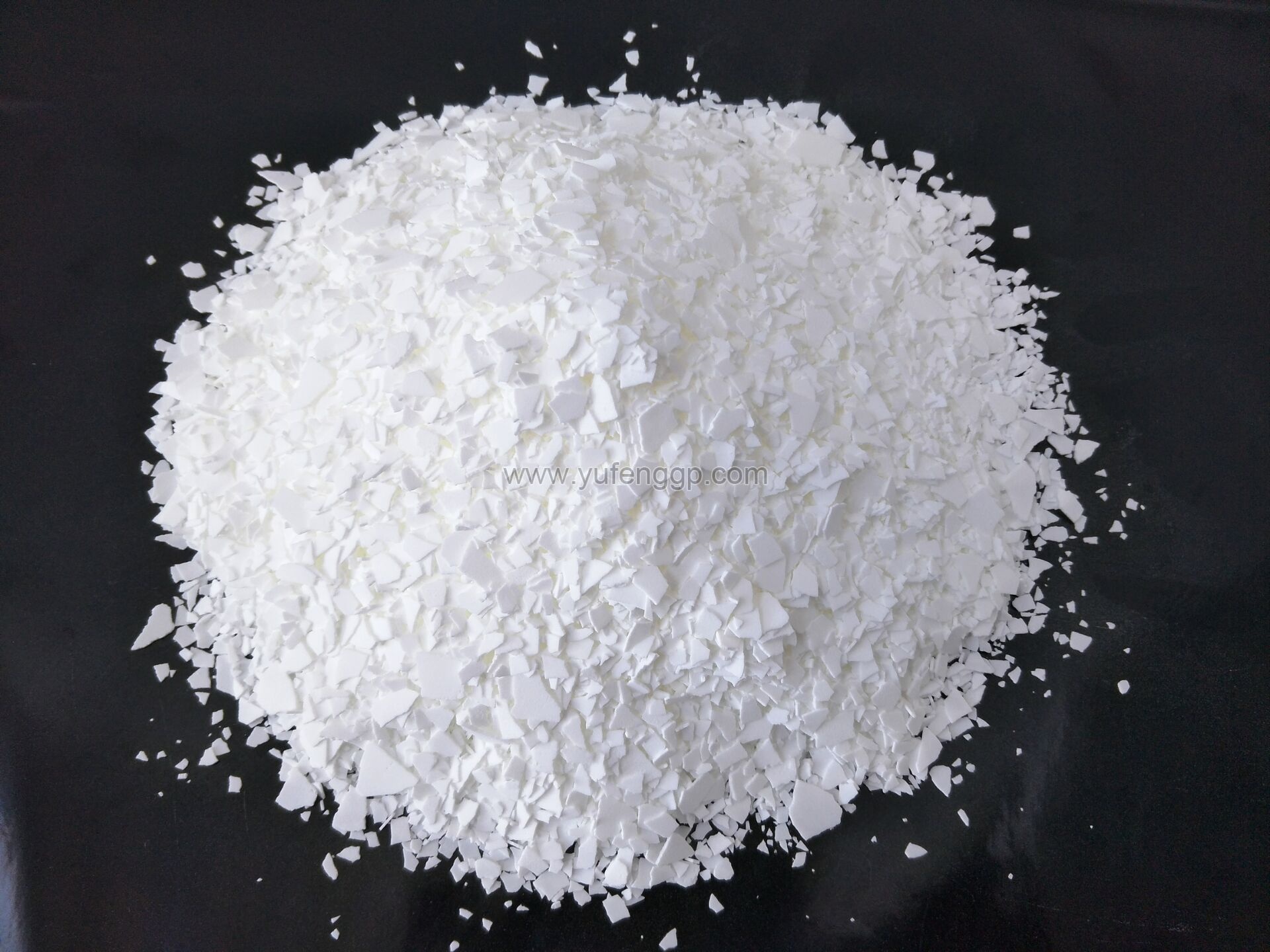
Supply Phospho-L-Tyrosine Disodium Salt powder


Transportation Precautions of Phospho-L-Tyrosine Disodium SaltControl temperature during transportation: ship dry powder in an insulated container with dry ice (-78.5℃) or pre-chilled gel packs (-20℃), ensuring sufficient insulation to maintain the required temperature throughout transit and avoiding temperature excursions above 0℃.For aqueous solutions, transport at 2–8℃ using refrigerated packaging (gel packs + insulated box) and do not freeze, as ice crystal formation may damage the chemical structure.Use leak-proof, airtight primary packaging (e.g., crimp-sealed glass vials) and wrap with secondary packaging (e.g., bubble wrap, foam inserts) to prevent breakage.Label containers clearly with "Biological Reagent," "Temperature-Sensitive," and "Handle with Care."Wrap containers in aluminum foil or place in light-resistant bags to shield from light, and include desiccant packs in the outer container to absorb moisture during transit.Comply with regulatory and safety requirements: classify the product as a "non-hazardous biological reagent" (compliant with IATA/IMDG regulations) and attach a safety data sheet (SDS) indicating "temperature-sensitive, keep frozen/refrigerated."Avoid shipping with incompatible materials (e.g., corrosives, oxidizers) to prevent cross-contamination or chemical reactions.Minimize transit time by choosing express shipping (24–48 hours) to reduce exposure to temperature fluctuations, and avoid shipping on weekends or holidays to prevent delays in proper storage upon arrival.Before use, inspect samples for signs of degradation: dry powder should be free of clumping (moisture absorption), discoloration (yellowing/browning), or off-odors (oxidation);aqueous solutions should be clear without turbidity, precipitation, or pH shifts (discard if pH <4 or >8).For critical applications (e.g., pharmaceutical R&D, diagnostic kits), verify purity via HPLC or mass spectrometry if storage or transport conditions were compromised.
Other supplier products
|
|
L-Aspartic acid monosodium salt monohydrate |
While L-Aspartic acid monosodium salt monohydrate is generally recognized as safe (GRAS) by global regulatory bodies (e.g., FDA in the U.S., EFSA i... |
|
|
Phospho-L-Tyrosine Disodium Salt |
Storage Precautions of Phospho-L-Tyrosine Disodium SaltPrevent catalytic degradation by storing the product away from biological samples (e.g., cel... |
|
|
Orotic acid |
Orotic acid is a naturally occurring organic compound and a derivative of pyrimidine, which is a key component in the biosynthesis of nucleotides, ... |
|
|
DL-tryptophan |
DL-tryptophan serves as a versatile precursor in chemical synthesis due to its racemic nature: Chiral Building Block: It can be resolved into pure ... |
|
|
L-Aspartic acid monosodium salt monohydrate |
This is the most widespread application of L-Aspartic acid monosodium salt monohydrate. It acts as a flavor enhancer and taste balancer, working a... |
供应产品
Same products