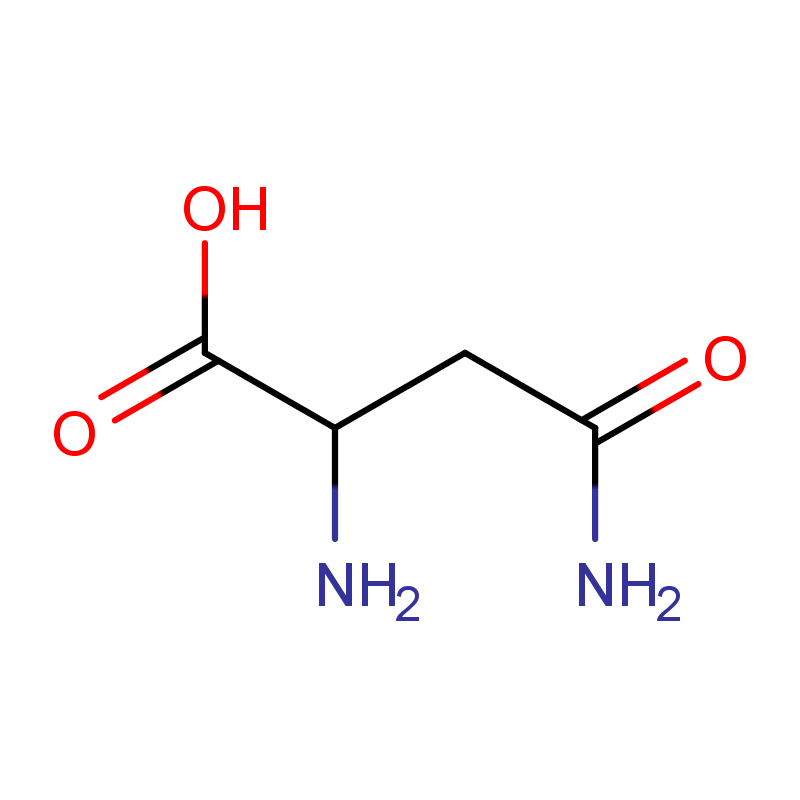
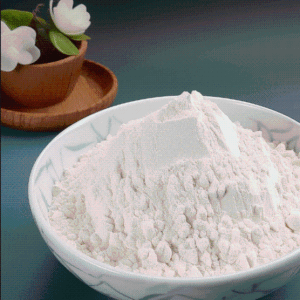
L-Aspartic acid monosodium salt monohydrate


While L-Aspartic acid monosodium salt monohydrate is generally recognized as safe (GRAS) by global regulatory bodies (e.g., FDA in the U.S., EFSA in the EU), its use in food requires adherence to dosage limits, labeling rules, and considerations for specific consumer groups.
Regulatory agencies have established maximum allowable levels to ensure safety and prevent excessive intake:
EFSA (EU): Classified as a "flavor enhancer" (E631) with no set "acceptable daily intake (ADI)" (considered safe at typical consumption levels), but it must be used "in accordance with good manufacturing practice (GMP)"—i.e., only in amounts necessary to achieve the desired technical effect (flavor, stabilization).
FDA (U.S.): Listed as GRAS for use in foods at levels up to 0.1% (by weight) of the finished product, though higher levels may be approved for specific applications (e.g., nutritional fortification) with prior review.
Risk of excess sodium: Each gram of L-Aspartic acid monosodium salt monohydrate contains ~120 mg of sodium. Food manufacturers must account for this when formulating products for sodium-restricted diets (e.g., low-sodium soups, heart-healthy snacks) to avoid exceeding daily sodium guidelines (WHO recommends <2,000 mg/day for adults).
Other supplier products
|
|
Glycyl-glycyl-glycine Partners, long-term cooperation |
Glycyl-glycyl-glycine helps improve the texture and stability of foodMeat product processingApplication scenarios: ham sausages, sausages, braised ... |
|
|
Glycyl-glycyl-glycine |
Risk control and usage specifications of Glycyl-glycyl-glycineScope of application and limit: Although triglycine is highly safe, the principle of ... |
|
|
L-Cysteine S-Sulfate Na |
Melting Point and Thermal Stability of L-Cysteine S-Sulfate Na Melting and decomposition characteristics: Unlike small-molecule organic compounds, ... |
|
|
L-Alanyl-L-cystine |
Role and Application of L-Alanyl-L-cystine Biomedical Research: It can be used to study protein structure - function relationships and peptide - re... |
|
|
BOC-L-GLU(ME)-OME |
As a standard Boc-protected glutamate derivative, BOC-L-GLU(ME)-OME is a key raw material for solid-phase / liquid-phase peptide synthesis. Its &al... |
供应产品
Same products