Inositol 87-89-8

Inositol, also known as myo-inositol, is a six‑hydroxy cyclohexane derivative, traditionally classified as vitamin B8. It is a water‑soluble, vitamin‑like compound with stable physicochemical properties and important biological activity.
1. Physical Properties
Molecular formula: C₆H₁₂O₆
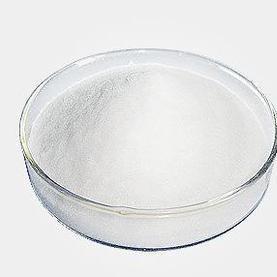
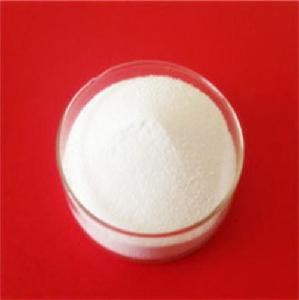
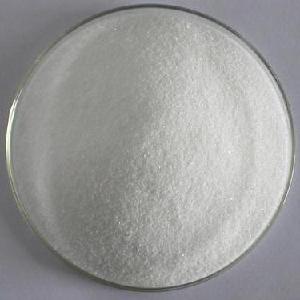
Appearance: White, odorless crystalline powder
Solubility: Highly soluble in water, almost insoluble in ethanol, acetone, and other organic solvents
Hygroscopicity: Slightly hygroscopic in air
Stability: Stable under normal temperature and light conditions
Taste: Sweet, similar to sucrose but with lower sweetness
2. Chemical Properties
Contains six hydroxyl groups attached to a six‑membered carbon ring, giving it strong hydrophilicity and reactivity.
Can undergo esterification, phosphorylation, methylation, and other reactions to form various derivatives.
The most important natural form is myo-inositol, with other stereoisomers including D‑chiro‑inositol, scyllo‑inositol, etc.
Forms phosphatidylinositol (PI) and inositol phosphates (IP3, IP6) in organisms, which are critical for signal transduction.
Stable in neutral and weak acidic solutions, not easily decomposed by heat.
3. Biochemical and Physiological Properties
Widely exists in animals, plants, and microorganisms in free or bound forms.
Participates in the construction of cell membranes as a component of phospholipids.
Acts as a second messenger in intracellular signal transduction, regulating calcium release and enzyme activity.
Regulates fat metabolism, insulin sensitivity, and cell growth and differentiation.
Participates in the synthesis of lecithin and promotes fat transport.
4. Nutritional and Biological Characteristics
A conditionally essential nutrient for humans; can be synthesized in the body but often requires dietary supplementation.
High safety, non‑toxic, non‑irritating, and well‑tolerated even at high doses.
Participates in glucose and lipid metabolism, helping improve insulin resistance.
Plays an important role in reproductive health, nerve function, and cell protection.
5. Stability Properties
Stable to heat, light, and oxygen under conventional conditions.
Not easily decomposed during food processing or pharmaceutical preparation.
Can be stored for a long time in dry, sealed conditions without significant degradation.
Other supplier products
|
|
Manufacturer |
Metabolism and Safety of L-Methionine L-Methionine is absorbed in the small intestine via amino acid transporters and metabolized primarily in the ... |
|
|
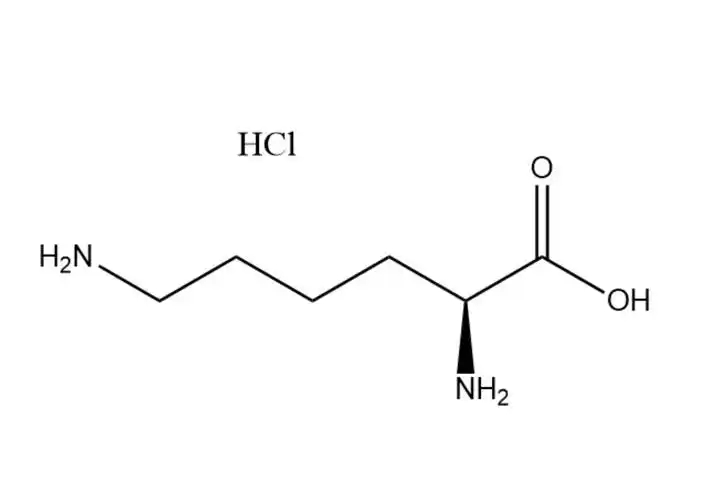
L-Lysine monohydrochloride |
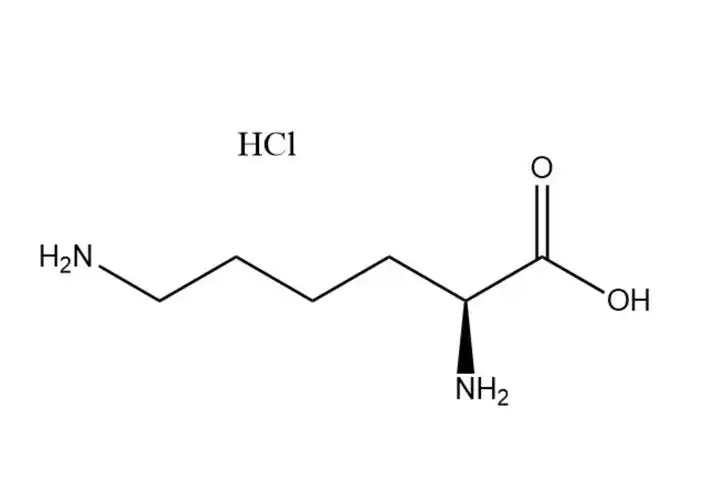
L-Lysine monohydrochloridehas a higher aqueous solubility than free L-lysine: ~70 g/100 mL at 25 °C (vs. ~63 g/100 mL for free L-lysine), with ... |
|
|
L-Cysteine hydrochloride monohydrate |
Chemical Structure and PropertiesMolecular FormulaChemical Formula:C3H7NO2S· HCl· H2O Molecular Weight: Approximately 175.64 g/molStr... |
|
|
Glycine Supply price |
Physical properties of glycine1. Appearance and OdorAt room temperature, it is a white crystalline or crystalline powder, odorless, and sweet in ta... |
|
|
L-Lysine monohydrochloride |
Basic Molecular and Structural Characteristics
Molecular weight: 182.65 g/mol (free L-lysine: 146.19 g/mol; the hydrochloride moiety increas... |
供应产品
Same products
|
|
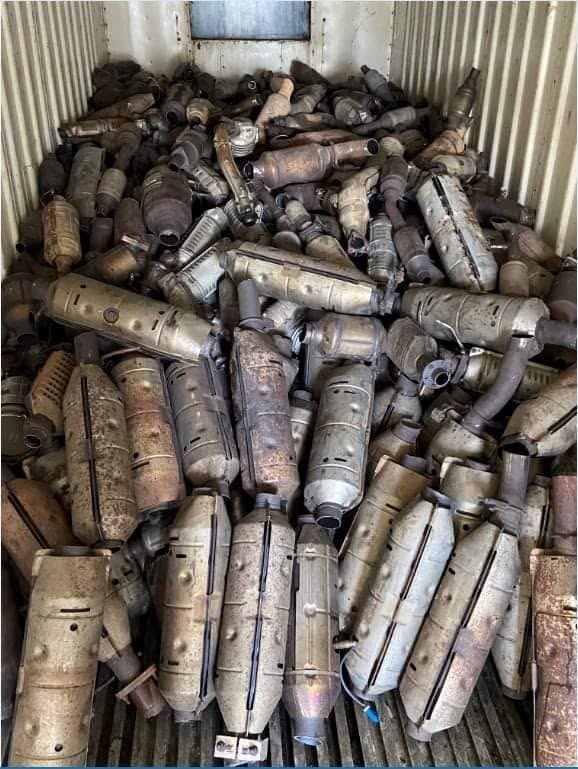
Catalytic Converter Scrap Supplier, Catalytic Converter Scrap for Sale, , Catalytic Converter Scrap, Catalytic Scrap for Sale, Catalytic Scrap Supplier, Scrap Catalytic Supplier |
卖方: Trucont LLC |
Trucont LLC 持续供应催化转化器废料,可立即装运发货。我们为全球各地的回收公司、金属加工商、汽车回收商、废料贸易商和买家提供优质的催化转化器废料。我们的催化转化器废料经过精心收集、分类... |
|
|
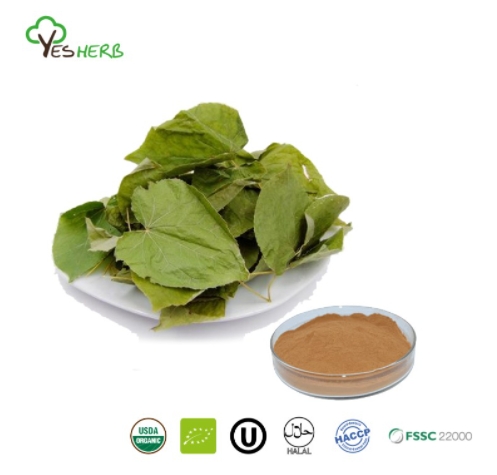
Epimedium Extract |
卖方: Fruit Powder,Vegetable Powder |
Product Name: Epimedium ExtractLatin Name: Epimedium Sagittatum Maxim.Specification: Icariin 5%, ... |
|
|
Pumpkin Powder |
卖方: Fruit Powder,Vegetable Powder |
Product Name: Pumpkin PowderLatin Name: Cucurbita pepo L.Used Part: FruitAppearance: yellow fine ... |
|
|
Broccoli Powder |
卖方: Fruit Powder,Vegetable Powder |
Product Name: Broccoli powder
Latin Name: Brassica oleracea L.var.italic Planch.
Used Part: Who... |
|
|
Pomegranate Powder |
卖方: Fruit Powder,Vegetable Powder |
Product Name: Pomegranate PowderLatin Name: Punica granatum linn.Used Part: Fruit juiceAppearance... |