L-Methionine

L-Methionine accelerates tissue repair by: Promoting the synthesis of collagen and elastin, which form the structural framework of healing tissues (e.g., skin wounds, muscle injuries). Enhancing angiogenesis (formation of new blood vessels) in the injured area, improving oxygen and nutrient delivery to support cell proliferation and tissue regeneration. Key Notes on Functional Regulation Synergy with other nutrients: L-Methionine’s functions depend on cofactors such as vitamin B6, folate, vitamin B12, and zinc, which are required for its activation (e.g., SAM synthesis) and metabolism (e.g., homocysteine conversion). A balanced diet ensures these synergistic effects. Avoidance of excess: While essential, excessive L-Methionine intake (e.g., >1g/day from supplements) can increase homocysteine levels, induce oxidative stress, or cause gastrointestinal discomfort (nausea, diarrhea). Individuals with liver or kidney disorders should use supplements under medical supervision, as impaired organ function may disrupt methionine metabolism.
Other supplier products
|
|
L-leucine |
L - leucine has several notable performance characteristics related to its physical and chemical properties, as well as its role in biological syst... |
|
|
Inositol 87-89-8 |
Inositol, also known as myo-inositol, is a six‑hydroxy cyclohexane derivative, traditionally classified as vitamin B8. It is a water‑soluble, vitam... |
|
|
L-Threonine |
L-Threonine is generally recognized as safe (GRAS) by regulatory bodies like the FDA when used in food at typical fortification levels. Its use mus... |
|
|
L-Methionine |
L-Methionine accelerates tissue repair by: Promoting the synthesis of collagen and elastin, which form the structural framework of healing tissues ... |
|
|
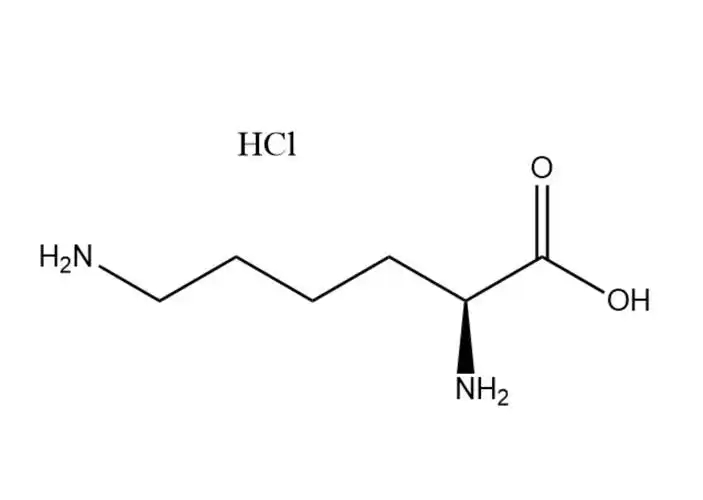
L-Lysine monohydrochloride |
Solubility ofL-Lysine monohydrochloride
Solubility is the most distinctive physical property of L-lysine monohydrochloride, and its high aqueous s... |
供应产品
Same products