Transport method of Inositol

Transport Method of Inositol
1. Basic transport properties
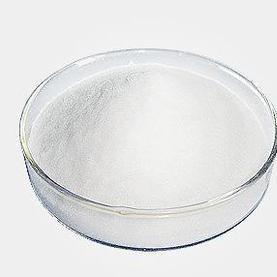
Inositol is a stable, non-toxic, non-flammable and non-explosive white crystalline powder, not classified as dangerous goods. It belongs to common fine chemical and food-grade raw materials for safe conventional transportation.
2. Packaging requirements
Use sealed, moisture-proof and dust-proof packaging such as plastic bags, composite film bags or fiber drums. Ensure packaging is intact, tightly sealed, leak-proof, and resistant to extrusion, to prevent moisture absorption, powder leakage and contamination during transit.
3. Transport environment control
Transport in cool, dry and ventilated conditions. Avoid long-term exposure to strong sunlight, high temperature, rain and humid atmosphere, so as to prevent deliquescence, caking and quality deterioration.
4. Mixed loading prohibition
Do not transport together with strong oxidants, strong alkalis, corrosive substances, toxic materials, strong odorous goods or raw materials for special industries. Separate from food contaminants to guarantee purity and safety.
5. Handling regulations
Handle gently during loading and unloading; avoid violent collision, extrusion and heavy pressing, which may damage the outer package and cause leakage. Keep the goods stable and neatly stacked.
6. Vehicle and transit management
Select clean, dry and closed transport vehicles. Keep the cargo tidy and well covered in long-distance transportation. For cross-regional delivery, complete relevant delivery documents and ensure standardized cargo identification.
7. Special reminder
No cold chain or refrigeration is required. Normal temperature transportation is sufficient. Under standardized transportation conditions, inositol maintains stable chemical properties without decomposition or deterioration.
Other supplier products
|
|
L-lysine monohydrochloride |
L-lysine monohydrochloride’s unique physical and chemical properties make it the preferred form of L-lysine for industrial and biological app... |
|
|
L-Lysine monohydrochloride |
Density and Refractive Index of L-Lysine monohydrochlorideBulk density: 0.6–0.8 g/cm³ (crystalline powder); tap density: 0.8–1.0 g... |
|
|
Sucralose Purchase price |
Sucralose, as a high-sweetness, calorie-free, and highly stable artificial sweetener, enjoys wide application in various fields such as food, bever... |
|
|
L-proline |
Basic informationStructural characteristics: The molecular structure of L-proline is rather unique. Its α -amino group is an imine, and the h... |
|
|
L-Methionine in Animal Feed Additive |
L-Methionine in Animal Feed Additive Applications L-Methionine is one of the most critical nutritional additives in animal husbandry, as monogastri... |
供应产品
Same products
|
|
Heat Sealing Sterilization Pouch |
卖方: Hopeway AMD |
Heat Sealing Sterilization Pouch is designed for secure medical instrument packaging, supporting ... |
|
|
Catalytic Converter Scrap Supplier, Catalytic Converter Scrap for Sale, , Catalytic Converter Scrap, Catalytic Scrap for Sale, Catalytic Scrap Supplier, Scrap Catalytic Supplier |
卖方: Trucont LLC |
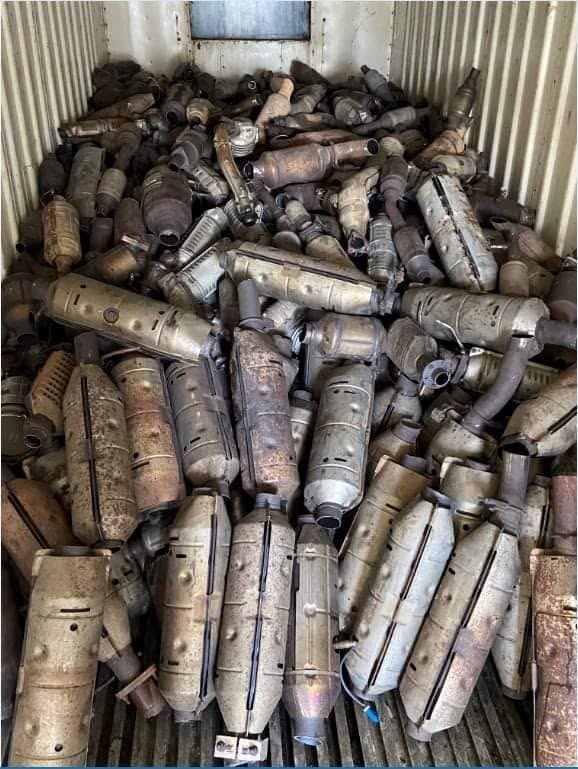
Trucont LLC 持续供应催化转化器废料,可立即装运发货。我们为全球各地的回收公司、金属加工商、汽车回收商、废料贸易商和买家提供优质的催化转化器废料。我们的催化转化器废料经过精心收集、分类... |
|
|
Epimedium Extract |
卖方: Fruit Powder,Vegetable Powder |
Product Name: Epimedium ExtractLatin Name: Epimedium Sagittatum Maxim.Specification: Icariin 5%, ... |
|
|
Pumpkin Powder |
卖方: Fruit Powder,Vegetable Powder |
Product Name: Pumpkin PowderLatin Name: Cucurbita pepo L.Used Part: FruitAppearance: yellow fine ... |
|
|
Broccoli Powder |
卖方: Fruit Powder,Vegetable Powder |
Product Name: Broccoli powder
Latin Name: Brassica oleracea L.var.italic Planch.
Used Part: Who... |