L-proline
The basic information of L-proline
1. Chemical structure
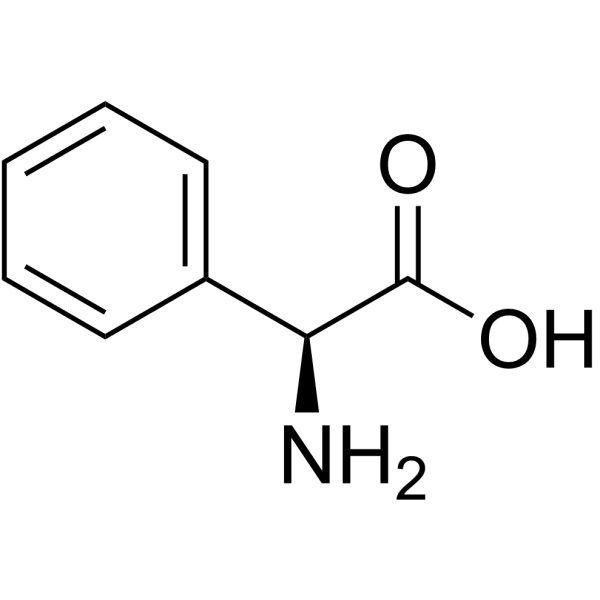
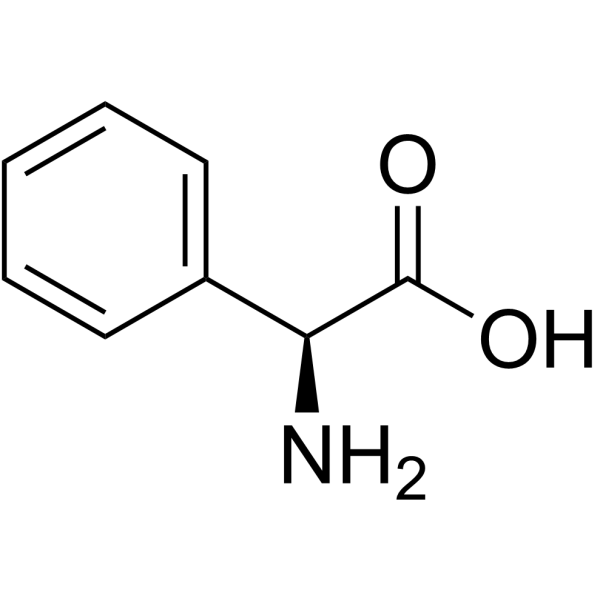
Molecular formula: C₅H₉NO₂
Molecular weight: 115.13 g/mol
Structural features: The α -amino group forms a five-membered ring (pyrrolidine ring) with the methylene group (-CH₂-) of the side chain, which belongs to an imino acid (the amino group is replaced by an imino, -NH-).
2. CAS Number: 147-85-3
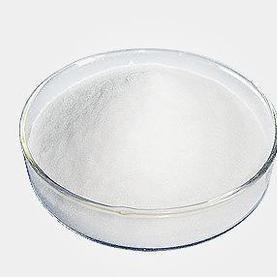
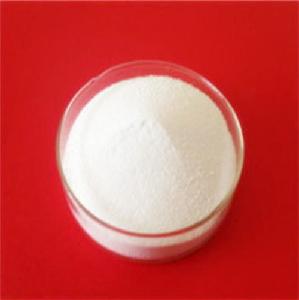
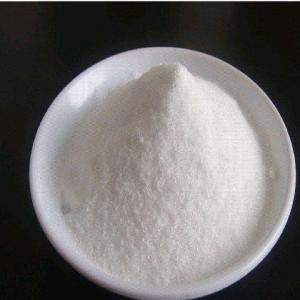
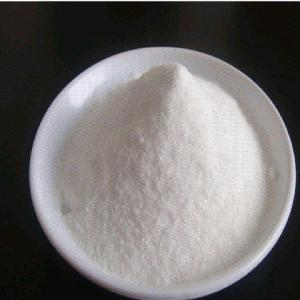
3. Appearance: White crystalline powder, odorless, slightly sweet in taste.
4. Optical activity: The naturally occurring type is L-shaped and has optical activity, with a specific optical rotation of approximately -85.0° to -88.5 ° (water, c=10).
Other supplier products
|
|
In functional foods and health supplements |
Inositol is a core active ingredient in functional foods and health supplements. As a special vitamin‑like substance, it regulates human glucose an... |
|
|
L-Methionine |
L-Methionine, as an essential sulfur-containing amino acid, plays multifaceted and irreplaceable roles in the human body, spanning protein synthesi... |
|
|
L-proline |
Metabolism and Safety of L-prolineMetabolic pathway: Mainly metabolized in the liver and kidneys, it is converted into glutamate hemialdehyde throu... |
|
|
High quality Sucralose |
Safety Information for SucraloseDangerous Goods Mark: XiDangerous Goods Classification Code: 36/37/38Safety Instructions: 26 - 37/39 - 24/25WGK Ger... |
|
|
Sucralose Purchase price |
Sucralose, as a high-sweetness, calorie-free, and highly stable artificial sweetener, enjoys wide application in various fields such as food, bever... |
供应产品
Same products