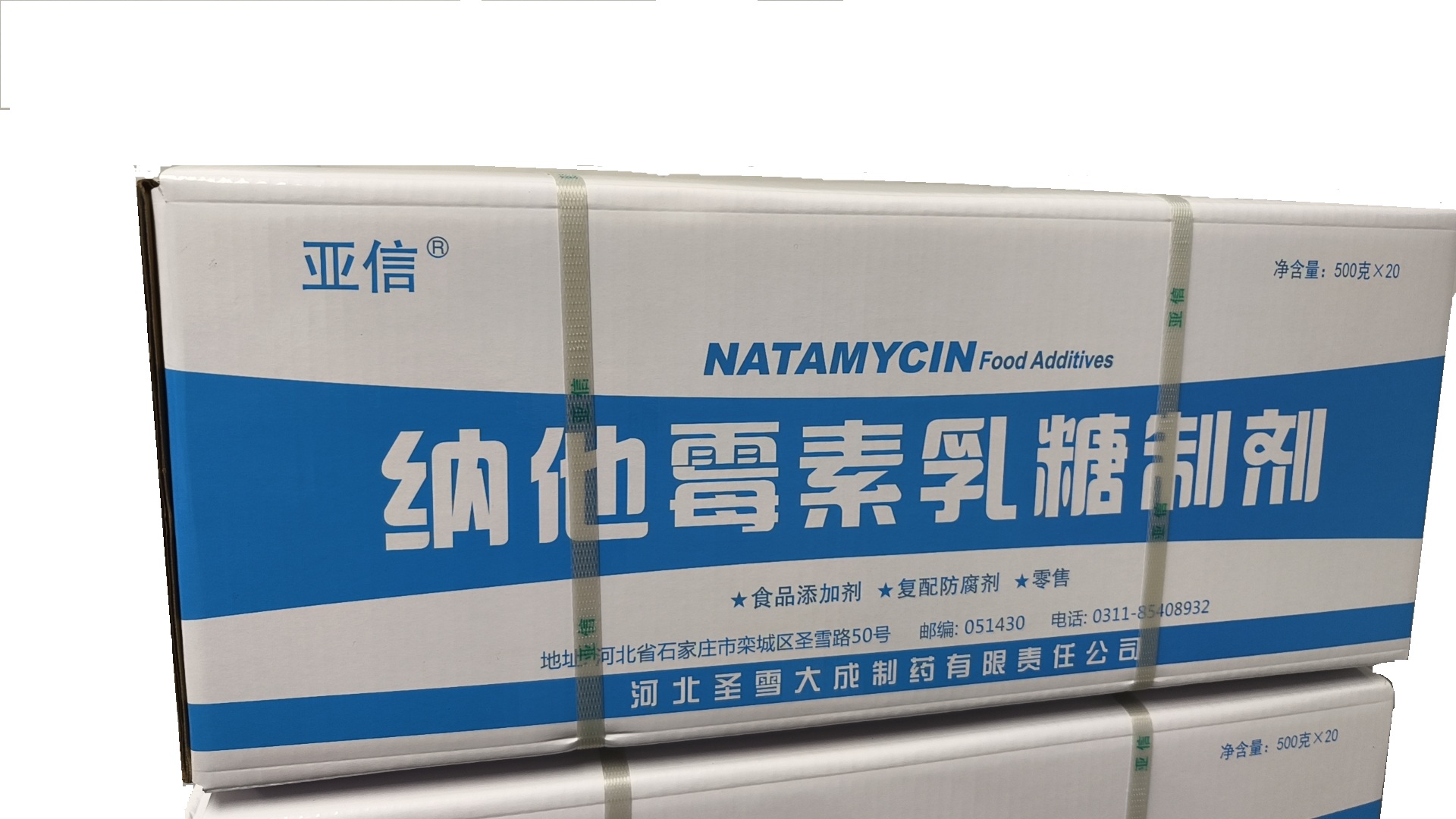
Natamycin 7681-93-8
Natamycin and other food preservatives in the mechanism of action difference:
Natamycin: By binding with ergosterol on the fungal cell membrane, the formation of pores,
resulting in the leakage of intracellular substances, interfering with cell metabolism, thus
inhibiting fungal growth.
Other food preservatives: the mechanism of action varies. For example, benzoic acid and its
sodium salt are inhibited by inhibiting the activity of microbial cell respiratory enzyme system, so
that cell metabolism is hindered; Sorbate and its potassium salt can bind to sulfhydryl groups in
microbial enzyme system, thus achieving the purpose of inhibiting microbial growth and
reproduction. By acting on the cell membrane of bacteria, the permeability of the cell
membrane increases, and the substances in the cell leak out, resulting in the death of bacteria.
Other supplier products
|
|
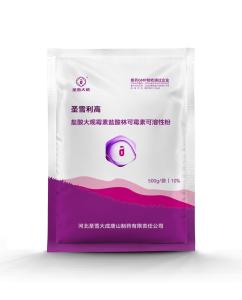
Spectinomycin Hydrochloride and Lincomycin Hydrochloride Soluble Powder 10% 200g |
Product Name: Spectinomycin Hydrochloride and Lincomycin Hydrochloride Soluble PowderMain Ingredients: Spectinomycin Hydrochloride, Lincomycin Hydr... |
|
|
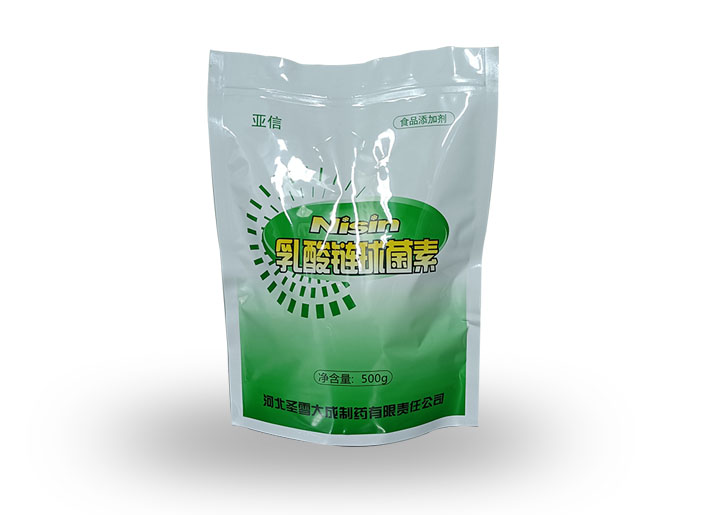
Nisin 500g/1Kg/25Kg |
Narrow Antimicrobial Spectrum:Ineffective against gram - negative bacteria, yeasts, and molds unless combined with other agents.pH - Dependent Acti... |
|
|
Nisin Powder |
Practical Implications for Food ApplicationsFormulation Considerations:When using nisin in food products, the pH of the matrix affects both its eff... |
|
|
Nisin |
Seafood products (e.g., fresh fish, shrimp, crab, surimi products, and canned seafood) are highly perishable due to their high moisture, protein co... |
|
|
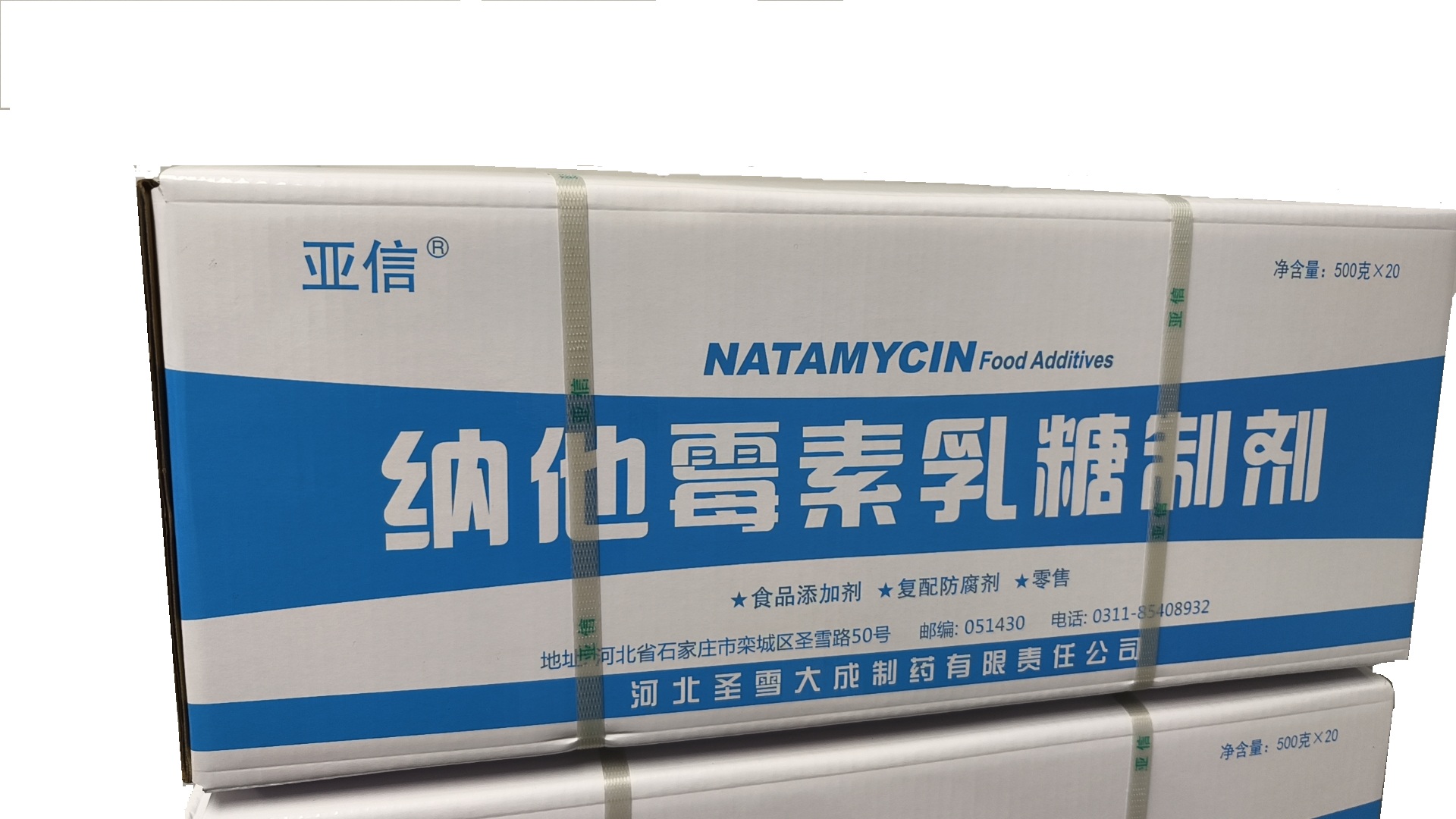
Natamycin |
Chemical Properties ·Natamycin has a polyene planar macrolide structure. The conjugated double bonds interact through van der Waals forces w... |
供应产品
Same products