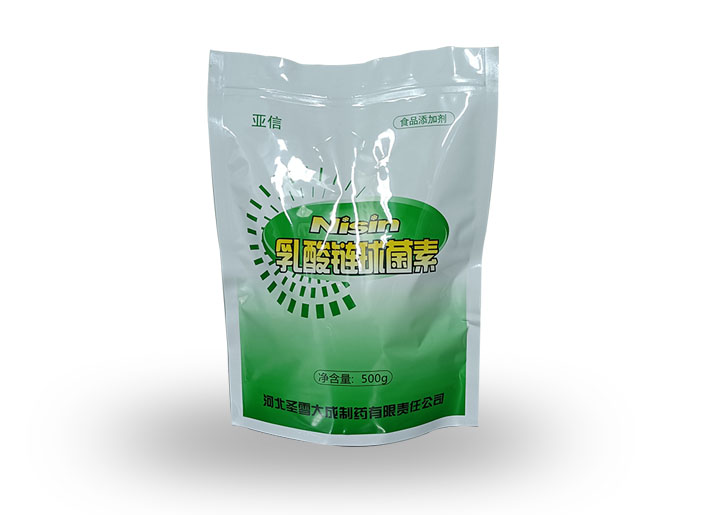
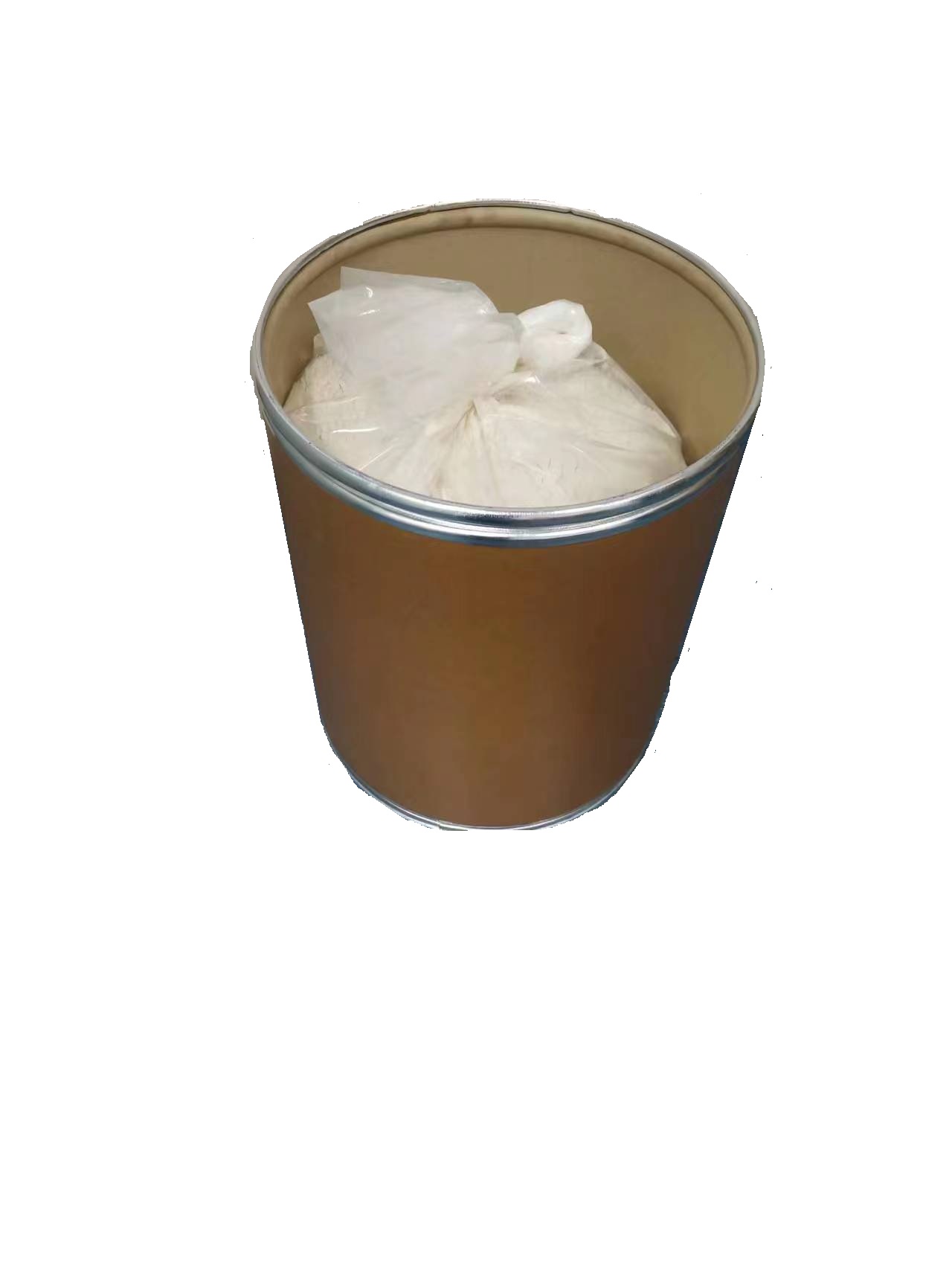
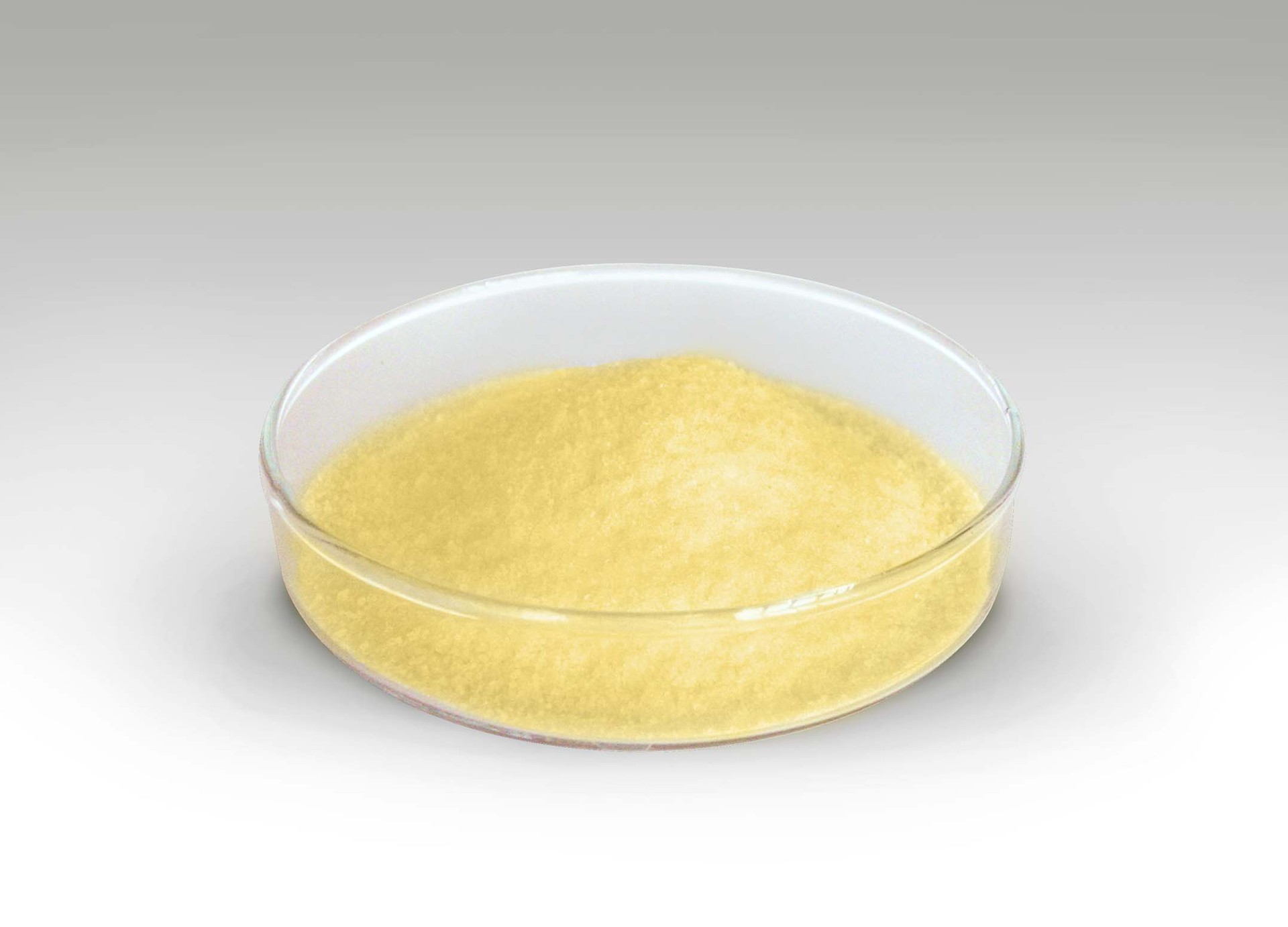
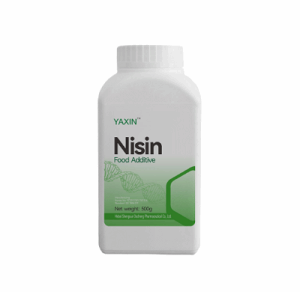
Nisin Raw Material
Nisin is widely approved for use in food globally, with strict safety standards:
- GRAS designation: The FDA (U.S.) and EFSA (EU) have classified nisin as GRAS, with no established acceptable daily intake (ADI) limit—meaning it is safe for consumption at the recommended doses.
- International standards: The Codex Alimentarius Commission (CAC) has set maximum residue limits (MRLs) for nisin in foods, ranging from 0.02–0.1 mg/kg (equivalent to 80–400 IU/kg) depending on the product.
- Safety profile: Nisin is degraded by digestive enzymes (e.g., peptidases) in the human gut, so it is not absorbed into the bloodstream and has no toxic effects. It does not alter the gut microbiota (as it targets only Gram-positive pathogens) and has no known allergenicity.
Other supplier products
|
|
Natamycin |
New products coming soon! Welcome to inquire and book! Proper storage of natamycin is crucial to maintaining its stability and effectiveness, wheth... |
|
|
Nisin Powder |
Nisin in Meat and Poultry Products Cooked Meats: Added to deli meats, sausages, and canned meats, nisin inhibits Listeria, Staphylococcus aureus, a... |
|
|
Nisin in Dairy Products |
Application in Dairy Products: Preventing Rancidity and Mold GrowthDairy products (e.g., cheese, milk, yogurt) are sensitive to microbial spoilage&... |
|
|
Chlortetracycline Premix 20% |
Chlortetracycline Premix, also known as Chlortetracycline Premixture or Feed-Grade Chlortetracycline, is a veterinary product composed of the full ... |
|
|
Nisin Powder 500g |
Nisin, a natural antimicrobial peptide produced by certain strains of lactic acid bacteria (primarily Lactococcus lactis), is widely used in the fo... |
供应产品
Same products