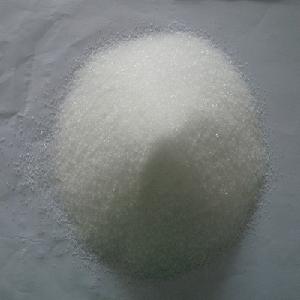
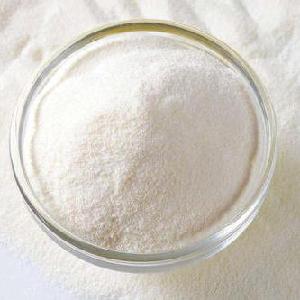
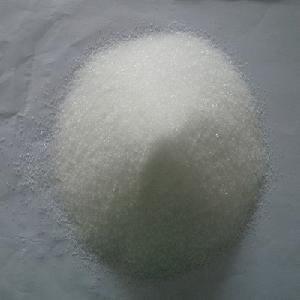
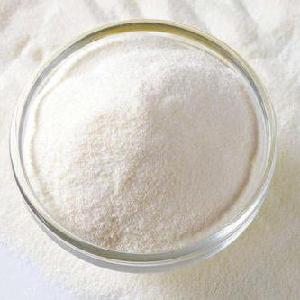
DL-Alanine

DL-Alanine is an α-amino acid that participates in human energy metabolism (via the glucose-alanine cycle, which helps remove excess ammonia from muscles and replenish liver glycogen). Although its biological activity is lower than that of the naturally occurring L-Alanine (the body primarily uses L-Alanine), it is still used as a cost-effective nutritional additive in functional foods due to its affordability. Typical Applications: Sports Nutrition Products: Added to sports drinks, protein powders, and energy bars. It helps delay muscle fatigue by reducing lactic acid accumulation and supporting ammonia detoxification during intense exercise. For example, sports drinks often contain 0.5%–1% DL-Alanine to enhance endurance. Nutritional Fortified Foods: Used in fortified milk, infant formula (in small amounts, usually blended with L-Alanine), and elderly nutrition products to supplement amino acid intake, especially for populations with insufficient protein absorption (e.g., the elderly, patients recovering from illness). Dietary Snacks: Added to low-calorie snacks (e.g., protein bars, meal replacement shakes) to increase nutritional value without significantly raising calorie content (1 gram of DL-Alanine provides ~4 kcal, similar to other amino acids).
Other supplier products
|
|
L-Threonine |
L-Threonine is an essential amino acid with specific physical properties that influence its behavior in biological systems and industrial applicati... |
|
|
L-methionine |
For populations with increased needs (e.g., athletes, vegetarians, malnourished individuals) or those with limited dietary intake, L-methionine is ... |
|
|
L-Phenylalanine |
L-Phenylalanine is an essential amino acid with significant biological functions and various applications. Here is a detailed account:
Basic Inform... |
|
|
DL-Alanine |
DL-Alanine has a subtle sweet taste (about 60% of the sweetness of sucrose) and the ability to enhance umami (savory) flavors—a key advantage... |
|
|
Purchase price |
As an amphoteric compound, L-threonine can buffer pH changes in acidic or alkaline food systems: Used in beverages (e.g., sports drinks, fruit juic... |
供应产品
Same products