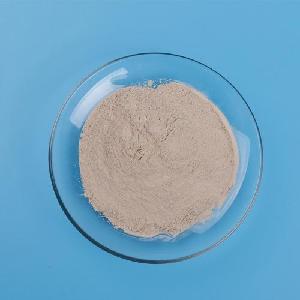
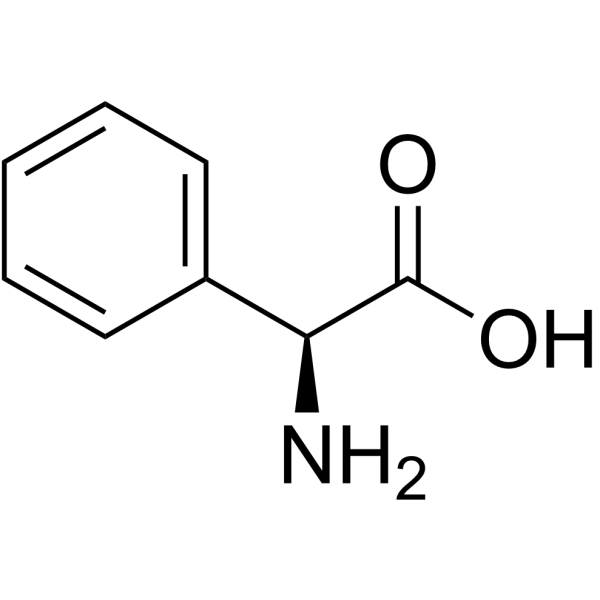
L-tryptophan

L-tryptophan’s stability is influenced by food processing conditions, requiring careful handling: Sensitivity to heat and light: High-temperature processing (e.g., prolonged cooking, sterilization) or exposure to UV light can degrade tryptophan, reducing its bioavailability. This is particularly relevant for canned or shelf-stable foods, where processing may diminish natural tryptophan levels. Interaction with other components: In alkaline environments or in the presence of oxidizing agents, tryptophan can undergo chemical reactions (e.g., Maillard browning with sugars) that alter its structure and activity. Food manufacturers may adjust pH or use antioxidants to preserve its integrity. Bioavailability: Tryptophan uptake in the body is competitive with other large neutral amino acids (e.g., leucine, phenylalanine). Foods paired with carbohydrates (which trigger insulin release, reducing competition) can enhance its absorption—explaining why meals like turkey with mashed potatoes are often associated with increased tryptophan availability.
Other supplier products
|
|
L-tryptophan Supplier |
Photodegradation of L-tryptophan
The indole ring is highly sensitive to ultraviolet (UV) light and oxygen. Under UV irradiation (e.g., sunlight), L... |
|
|
L-proline |
The physiological functions and applications of L-proline1. Functions within living organismsCollagen synthesis: As the main component of collagen ... |
|
|
L-leucine |
Basic InformationChemical Formula: C6H13NO2Molecular Weight: 131.17 g/molStructure: It has a branched - chain structure with a carboxyl group (-COO... |
|
|
DL-Methionine |
Optical Activity of DL-MethionineAs a racemic mixture, DL-methionine isoptically inactive, with a specific optical rotation of[α]_D^25=0°... |
|
|
Sucralose |
Sucralose is a trichloro derivative of sucrose (4,1',6'-trichloro-4,1',6'-dideoxy-galactosucrose), and its physical properties are influenced by th... |
供应产品
Same products