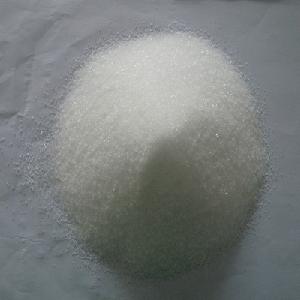
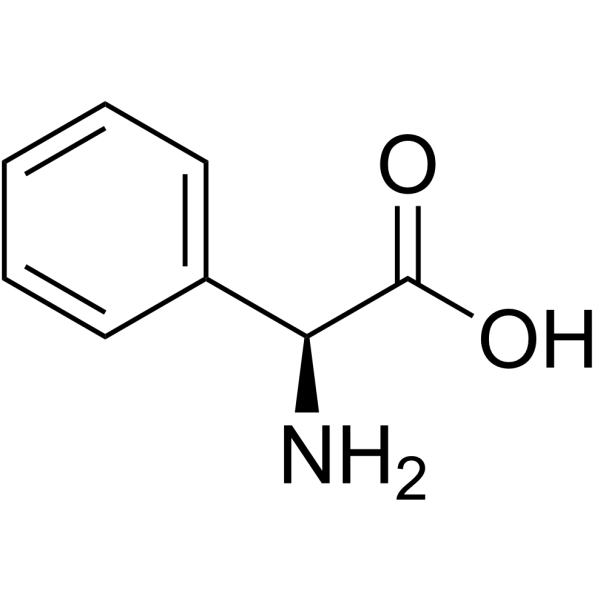
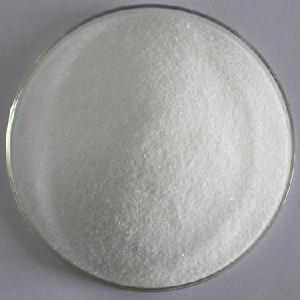
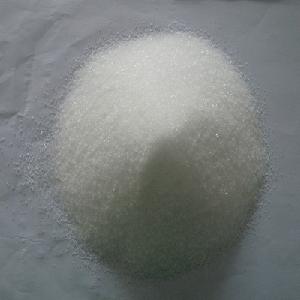
DL-Alanine Powder
DL-Alanine is a low-risk material for microbial growth (due to its amino acid nature, it is not a preferred nutrient for most spoilage microbes under proper dry conditions). However, cross-contamination with other substances (e.g., dust, chemicals, food residues) can affect its purity, especially for food-grade DL-Alanine.
- Separation from contaminants: Store away from strong-smelling substances (e.g., spices, cleaning agents), toxic chemicals (e.g., pesticides, solvents), and raw materials that may shed dust (e.g., flour, sugar).
- Hygiene during handling: Wash hands thoroughly before opening the package; use clean, dry utensils (e.g., spoons, scoops) to avoid introducing moisture or microbes. Seal the package immediately after each use to prevent dust and air exposure.
Other supplier products
|
|
L-proline |
The biological functions of L-prolineProtein structure maintenance: L-proline is one of the 20 common amino acids that make up proteins. Its cyclic... |
|
|
Glycine |
The main physiological functions of Glycine1. Synthesis of proteinsGlycine is one of the basic units that constitute the majority of proteins and i... |
|
|
L-tryptophan |
L-tryptophan’s stability is influenced by food processing conditions, requiring careful handling: Sensitivity to heat and light: High-tempera... |
|
|
DL-methionine powder |
DL-Methionine has good biocompatibility and unique metabolic characteristics, making it a raw material for drug synthesis and a component of biomed... |
|
|
DL-Alanine |
Due to its mild sweetness and low calorie content, DL-Alanine is used as apartial sugar substitutein low-sugar or sugar-free foods, helping to main... |
供应产品
Same products