L-Methionine in Food and Nutritional Fortification Applications

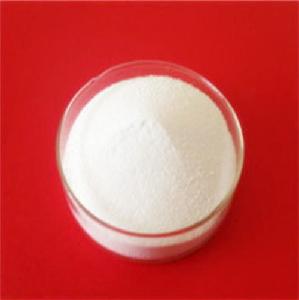
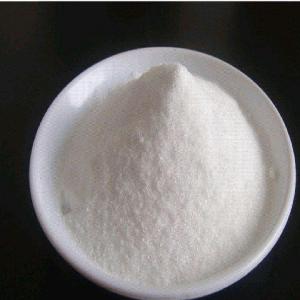
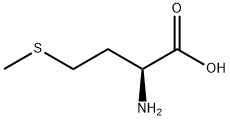
L-Methionine in Food and Nutritional Fortification Applications In the food industry, L-Methionine is primarily used as a nutritional fortifier to improve the amino acid balance and nutritional value of food products, targeting specific populations with increased requirements: Infant Formulas: Infants have high demands for essential amino acids to support rapid growth and development. L-Methionine is added to infant formulas (at 20–30 mg per 100 kcal) to meet the recommended intake, ensuring complete protein synthesis and avoiding developmental delays caused by deficiency. It is also included in follow-up formulas for toddlers to maintain nutritional continuity. Functional Foods and Dietary Supplements: It is a key component of protein powders (whey, plant-based, and mixed protein formulations), sports nutrition products (energy bars, recovery drinks), and amino acid supplements. Athletes and fitness enthusiasts use L-Methionine-supplemented products to support muscle protein synthesis, reduce exercise-induced oxidative damage, and accelerate recovery. For vegetarians and vegans, who often have limited intake of sulfur-containing amino acids from plant sources, L-Methionine-fortified plant-based meats, soy products, and meal replacements help balance their amino acid profiles. Fortified Cereals and Snacks: Added to breakfast cereals, oatmeal, and nutritional snacks to enhance their protein quality, especially for populations with unbalanced diets (e.g., adolescents, the elderly) who may lack essential amino acids.
Other supplier products
|
|
Sucralose |
Sucralose is also known as Trisodium Phosphate. It is a powerful food sweetener, with the trade name Splenda and the abbreviation TGS.Sucralose is ... |
|
|
DL-Methionine |
Spectral Characteristics of DL-MethionineInfrared (IR) spectrum: Characteristic absorption peaks of DL-methionine include: 3300–3500 cm⁻¹... |
|
|
Inulin Powder Supplier |
Product Introduction Inulin powder, derived from Jerusalem artichoke or chicory, is a natural fructooligosaccharide consisting of a fructose comple... |
|
|
Glycine |
In the fields of daily chemicals and cosmetics, glycine, due to its excellent moisturizing properties, mildness and pH regulation capabilities, has... |
|
|
L-Cysteine hydrochloride monohydrate |
Handling and Storage Practices1. Sealing After UseImmediate Re-Sealing: After opening, remove the required amount quickly and re-seal the container... |
供应产品
Same products