Key Application Precautions of Nisin
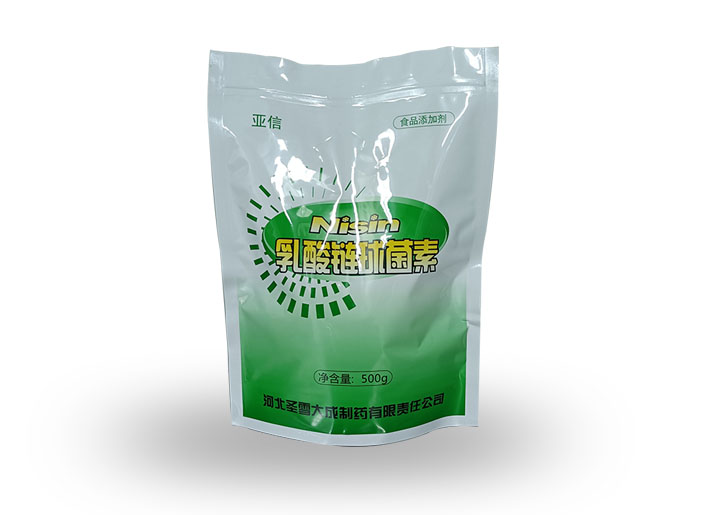
Key Application Precautions of Nisin Antibacterial Spectrum Limitation: Nisin is ineffective against Gram-negative bacteria (e.g., E. coli) and mold. It should be combined with organic acids (e.g., citric acid) or natural extracts (e.g., tea polyphenols) to expand coverage. Dosage Control: Follow national standards (e.g., China’s GB 2760 limits Nisin to ≤0.5 g/kg in most foods) to avoid unnecessary waste or sensory changes. Storage Conditions: Store Nisin in a cool, dry, light-proof environment to prevent moisture absorption and loss of activity.
Other supplier products
|
|
Nisin |
Nisin, a natural antimicrobial peptide, has various applications in the food industry due to its ability to inhibit the growth of certain bacteria,... |
|
|
Nisin Supplier 500g |
Recognized by the global mainstream regulatory systemThe FDA (Food and Drug Administration of the United States) has classified Nisin as a GRAS (Ge... |
|
|
Nisin in Aquatic Products |
Application in Aquatic Products: Reducing Pathogens and Extending Freshness Aquatic products (fresh fish, shrimp, surimi products) are highly peris... |
|
|
Regulatory Standards and Dosage Limits of Nisin |
Global regulatory agencies have established strict usage standards for Nisin:FAO/WHO: The acceptable daily intake (ADI) is set at 0–3300 IU/k... |
|
|
ε-Polylysine hydrochloride |
In addition to its use as a preservative, ε-Polylysine hydrochloride is also used as a natural flavor enhancer in some food products. Its a... |
供应产品
Same products