Regulatory Standards and Dosage Limits of Nisin
Global regulatory agencies have established strict usage standards for Nisin:
FAO/WHO: The acceptable daily intake (ADI) is set at 0–3300 IU/kg body weight (equivalent to 0–13 mg/kg body weight), based on comprehensive toxicological data.
China (GB 2760): Permitted for use in over 20 food categories, including dairy products, meat products, condiments, and beverages. Maximum addition levels range from 0.05 to 0.5 g/kg (calculated as pure Nisin), with specific limits adjusted by food type (e.g., 0.2 g/kg in soy sauce, 0.15 g/kg in vinegar, 0.5 g/kg in canned meat).
EU (EC No. 1333/2008): Classified as a food additive (E234), with similar dosage limits to China and mandatory labeling requirements for food products containing Nisin.
Other supplier products
|
|
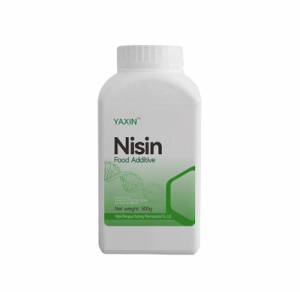
Nisin 500g |
Key Factors Influencing the Antibacterial MechanismpH value: An acidic environment (pH 3-5) can enhance the antibacterial activity of Nisin because... |
|
|
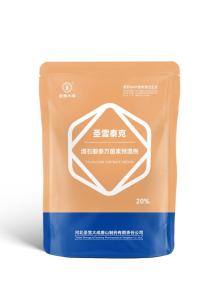
Tylvalosin Tartrate Premix |
Brand name:Shengxue TaikesCommon name:Tylvalosin tartrate premixMain ingredient:Tylvalosin tartrateCharacteristics:This product is a light yellow-b... |
|
|
Nisin |
Nisin is a natural antimicrobial peptide produced by certain strains of lactic acid bacteria.It has potent antimicrobial properties, particularly a... |
|
|
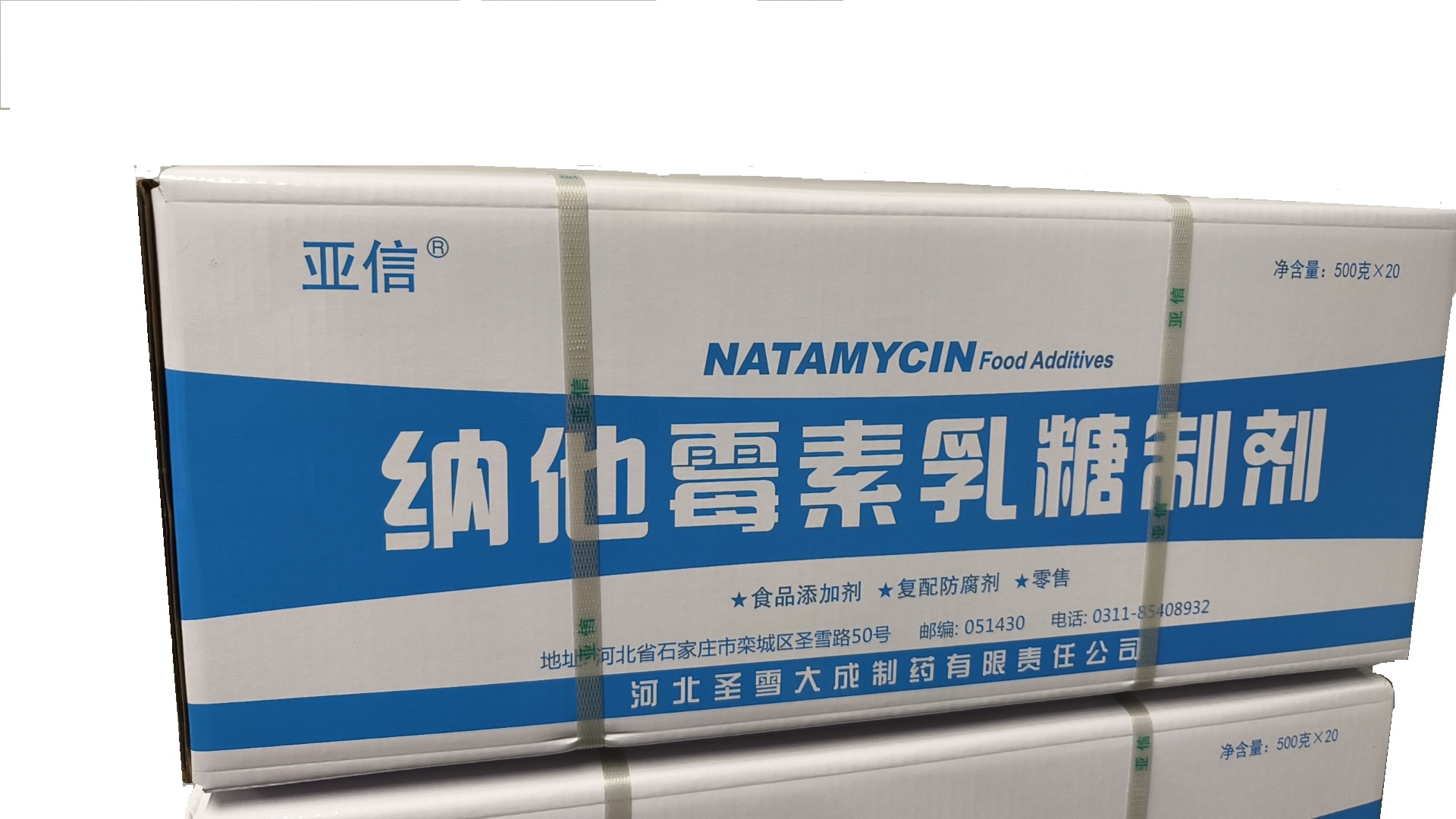
Natamycin |
Basic Properties Product Name: Natamycin CAS Number: 7681-93-8 Molecular Formula: C33H47NO13 Molecular Weight: 665.73 EINECS Number: 231-683-5 Cate... |
|
|
Chlortetracycline Premix |
Chlortetracycline Premix is a feed additive that combines chlortetracycline with premix technology. Chlortetracycline Premix has the characteristic... |
供应产品
Same products