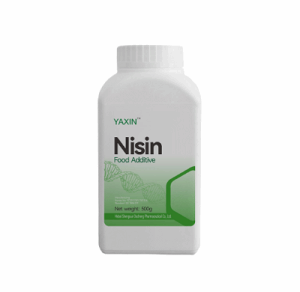
Heat Resistance of Nisin
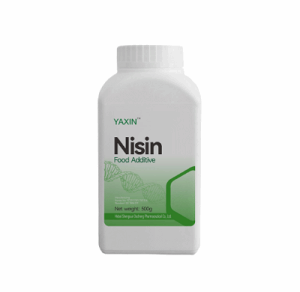
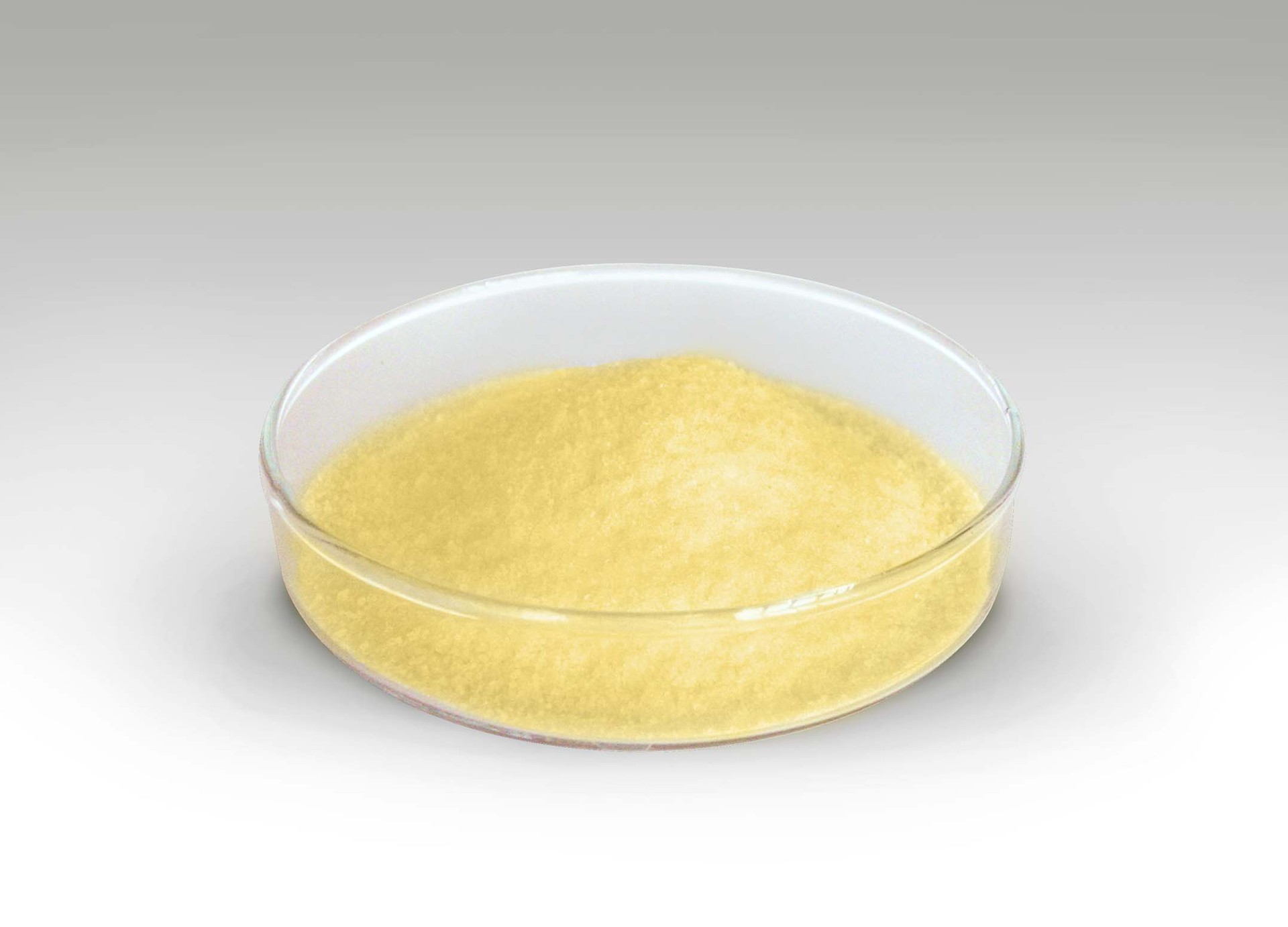
Heat Resistance of Nisin Nisin possesses excellent heat stability, a critical advantage for high-temperature processed foods. It retains over 80% of activity after autoclaving at 121℃ for 15–30 minutes, and over 90% after pasteurization (72–85℃ for 15–30 seconds). This stability is attributed to its unique lanthionine and methyllanthionine cross-links, which enhance peptide chain rigidity. However, prolonged exposure to ultra-high temperatures (>130℃) or combination with reducing substances (e.g., mercaptoethanol) can disrupt its cross-linked structure, resulting in activity degradation. In practical applications, Nisin is often added after high-temperature processing or during the cooling phase to maximize activity retention, especially in canned foods and sterilized dairy products.
Other supplier products
|
|
Nisin Powder Market quotation |
Antibacterial Activity of NisinSpectrum of Action:Primarily effective against gram - positive bacteria (e.g., Staphylococcus aureus, Clostridium bo... |
|
|
Natamycin |
New products coming soon!Welcome to inquire and book! Also known as pimaricin, natamycin is a polyene macrolide antifungal agent produced by the fe... |
|
|
Nisin Price 500g/1Kg/25Kg |
By effectively inhibiting the growth of spoilage bacteria and pathogens, nisin significantly prolongs the shelf life of food products, particularly... |
|
|
Chlortetracycline Premix |
Characteristics of Chlortetracycline Premix ·Natural fermentation products: Chlortetracycline Premix is derived from the natural fermentatio... |
|
|
Chlortetracycline Premix 20% |
Chlortetracycline Premix, also known as Chlortetracycline Premixture or Feed-Grade Chlortetracycline, is a veterinary product composed of the full ... |
供应产品
Same products