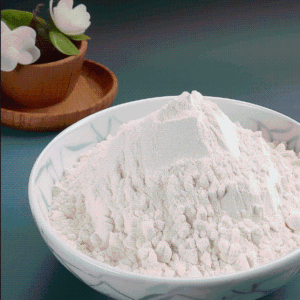
Hydantoin
Chemical Properties of Hydantoin
Reactivity: The nitrogen and oxygen atoms in the hydantoin molecule have certain reactivity, which can participate in various chemical reactions. For example, the hydrogen atoms on the nitrogen atoms can be replaced by other groups through substitution reactions. It can also undergo hydrolysis reactions under certain conditions to produce corresponding carboxylic acids and amines.
Acid - Base Properties: Hydantoin has weak acidic and basic properties. Due to the presence of nitrogen - containing functional groups, it can accept protons in acidic solutions and donate protons in alkaline solutions.
Other supplier products
|
|
DL-tryptophan |
DL-tryptophan’s versatility stems from its role as a source of essential amino acids, a chemical precursor, and a research tool, with its mos... |
|
|
L-Alanyl-L-Tyrosine |
L-Alanyl-L-Tyrosine is soluble in water, dilute acids and dilute alkali solutions. The following are its specific dissolution situations in some co... |
|
|
BOC-L-GLU(ME)-OME |
During the storage and transportation stages, BOC-L-GLU(ME)-OME is an amino acid derivative that is prone to moisture absorption and hydrolysis. It... |
|
|
N-Acetyl-L-Tryptophan |
N-Acetyl-L-Tryptophan in Cosmetics & Personal Care Skin protecting/conditioning: Antioxidant and anti‑inflammatory; soothes sensitive skin and ... |
|
|
N‑Acetyl‑L‑Tryptophan |
N‑Acetyl‑L‑Tryptophan as Functional Food & Dietary Supplement Ingredient Core Function Sleep & mood support: Sustained‑release precursor of... |
供应产品
Same products