N-Acetyl-L-Tryptophan Powder Marke quotation


Precautions for the Use of N‑Acetyl‑L‑Tryptophan (NAT)
Below is a clear, practical summary of precautions covering safety, dosage, interactions, storage, and food-grade application norms, suitable for formulation, production, and user guidance.
1. Dosage & Usage Precautions
Food additive: Strictly follow GB 2760/GB 14880 approved dosage ranges (0.01-0.5% for flavor enhancement; 0.05-0.5% for fortification). Do not exceed the maximum limit.
Dietary supplements: Adult daily intake ≤ 600 mg (single serving 100-300mg); avoid long-term high-dose use (>900 mg/day).
Feed additive: Follow species-specific dosage (0.01-0.1%); overuse may cause feed palatability reduction.
Do not substitute medical use: N-Acetyl-L-Tryptophan is a food/feed ingredient, not a drug; cannot replace antidepressants, sleep aids, or psychiatric medications.
2. Special Population Precautions
Pregnant/lactating women: Use with caution, limited safety data; avoid high-dose supplements.
Children under 3 years: Not recommended for direct supplementation; avoid adding to infant formula.
Elderly/weak individuals: Start with half the standard dose; monitor gastrointestinal tolerance.
Individuals with amino acid metabolism disorders: Contraindicated (e.g., phenylketonuria, tryptophanuria).
Allergy-prone people: Rare allergic reactions (rash, itching); stop use immediately if symptoms occur.
3. Drug & Substance Interactions
Antidepressants (SSRIs/SNRIs): Strict caution—combined use may increase serotonin levels, raising risk of serotonin syndrome (dizziness, sweating, muscle stiffness).
Sedatives/hypnotics: Synergistic sedative effect; may cause excessive drowsiness or fatigue.
MAO inhibitors: Absolute contraindication—risk of severe hypertension and serotonin toxicity.
Alcohol: Combined use enhances sedation; avoid driving/operating machinery after intake.
Other amino acids: Avoid excessive simultaneous intake of branched-chain amino acids (BCAAs), which may interfere with tryptophan absorption.
4. Production & Processing Precautions (Food Grade)
pH control: Stable at pH 4-9; avoid pH <3 or >10 (risk of hydrolysis/deacetylation).
Temperature tolerance: Heat-stable up to 121°C (sterilization); avoid prolonged heating above 130°C (slight decomposition).
Compatibility: Incompatible with strong oxidants (e.g., hydrogen peroxide, bleaching powder) and strong reducing agents.
Mixing sequence: Add N-Acetyl-L-Tryptophan after high-temperature processing or during cooling to avoid prolonged heat exposure.
Heavy metal control: Food-grade N-Acetyl-L-Tryptophan must meet Pb <1ppm, As <0.5ppm; avoid contact with heavy metal equipment.
5. Storage & Shelf-Life Precautions
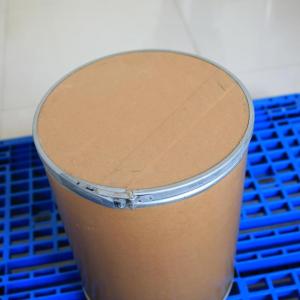
Packaging: Sealed, moisture-proof packaging (aluminum foil bag, HDPE container); avoid air and moisture.
Storage conditions: Cool, dry, dark place (25°C max); long-term storage at 2-8°C recommended.
Shelf life: 24 months (unopened, food grade); 12 months after opening (sealed tightly).
Moisture sensitivity: N-Acetyl-L-Tryptophan is slightly hygroscopic; clumping does not affect quality but requires sealing immediately.
Contamination prevention: Keep away from strong-smelling substances (spices, chemicals) to avoid odor absorption.
6. Quality & Safety Control
Purity check: Food grade ≥98%, supplement grade ≥99%; reject products with unclear chiral purity (L-form only).
Impurity control: Strictly limit D-tryptophan (<0.5%), heavy metals, and microbial counts.
No racemization: Avoid harsh processing (high temp/strong base) that may convert L-NAT to D-NAT.
Batch traceability: Retain production batch, test reports, and supplier qualification documents.
7. Key Taboos
Do not use as a medicine for treating depression, insomnia, or mental illness.
Do not combine with MAO inhibitors or high-dose SSRIs.
Do not add to infant formula or use in children under 3 without guidance.
Do not store in open, humid, or high-temperature environments.
Other supplier products
|
|
Wholesale |
Due to glycyl-glycine's amphoteric nature (containing both amino and carboxyl groups), glycyl-glycine acts as a physiological buffer in biological ... |
|
|
Glycyl-glycyl-glycine |
International safety certification and regulatory approval for Glycyl-glycyl-glycineThe FDA (Food and Drug Administration of the United States) has... |
|
|
N-Acetyl-L-Tryptophan |
N‑Acetyl‑L‑Tryptophan (NAT) is a stable, acetylated derivative of L‑tryptophan with neuroprotective, anti‑inflammatory, and antioxidant properties,... |
|
|
DL-Tryptophan |
Compared to pure L-tryptophan (which is tightly regulated as a dietary supplement or pharmaceutical ingredient), DL-tryptophan faces fewer regulato... |
|
|
Supply price |
Excellent Properties of L-Alanyl-L-Cystine1. Chemical Stability and SolubilityStability:Resistant to thermal degradation under moderate conditions ... |
供应产品
Same products