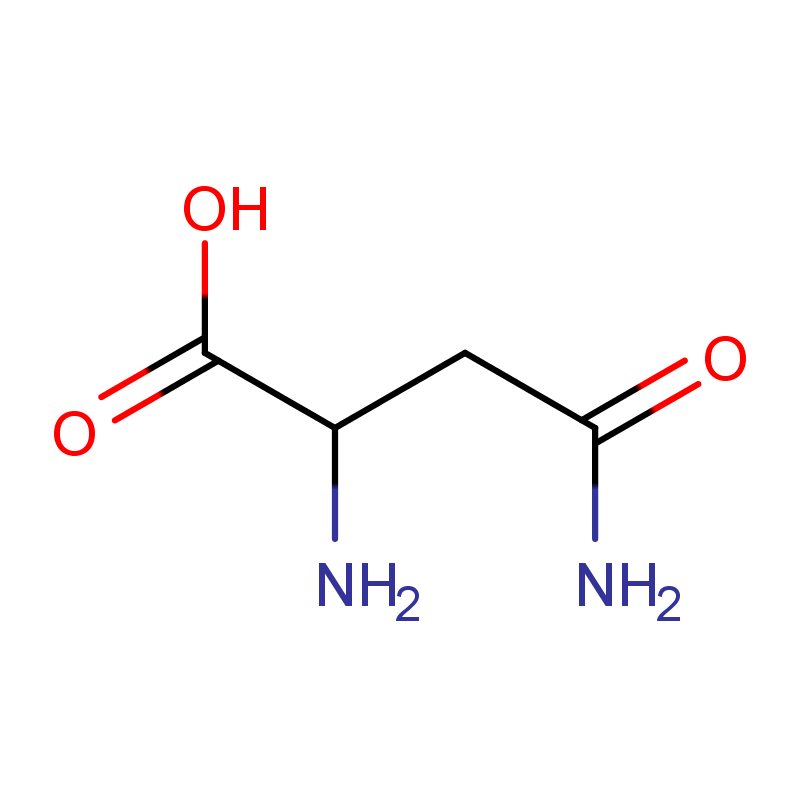
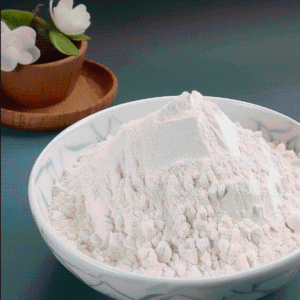
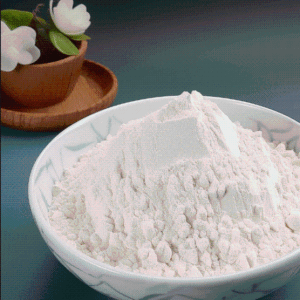
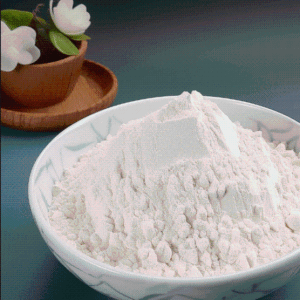
L-Aspartic acid monosodium salt monohydrate

Key Applications of L-Aspartic acid monosodium salt monohydrate
L-Aspartic acid monosodium salt monohydrate leverages its solubility, taste, and biological activity for diverse uses across industries:
(1) Food Industry: Flavor Enhancer & Additive
Its most common food application is as a flavor modifier and food additive, often working synergistically with other compounds:
Flavor enhancement: It has a mild, savory (umami) taste and amplifies the flavor of other ingredients—especially when paired with monosodium glutamate (MSG) or nucleotides (e.g., inosinate). It is used in processed foods like soups, sauces, seasonings, and snacks to improve taste depth and reduce bitterness.
pH regulator: Its carboxylate group acts as a buffer, helping stabilize the pH of food products (e.g., beverages, dairy items) and prevent spoilage or texture changes.
Nutritional fortification: As a source of L-aspartic acid, it is added to fortified foods (e.g., sports drinks, meal replacements) to boost amino acid content, supporting muscle recovery or energy metabolism.
It is recognized as safe by global food regulatory bodies (e.g., FDA in the U.S., EFSA in the EU) and assigned the food additive code E631 in the European Union.
(2) Pharmaceutical Industry: Excipient & Active Ingredient Adjuvant
In pharmaceuticals, it primarily functions as an excipient (inactive ingredient that improves drug formulation) or a supportive component:
Solubility enhancer: Its high water solubility helps dissolve poorly soluble active pharmaceutical ingredients (APIs) in oral medications (e.g., tablets, syrups) or injectables, ensuring consistent drug absorption.
Stabilizer: It protects sensitive APIs (e.g., some antibiotics, peptides) from degradation by maintaining a stable pH in the formulation and preventing oxidation.
Osmotic agent: In certain controlled-release formulations (e.g., osmotic pumps), it adjusts the osmotic pressure to regulate the rate of drug release, ensuring steady therapeutic levels in the bloodstream.
(3) Nutritional Supplements: Amino Acid Source & Sports Nutrition
It is a common ingredient in dietary supplements, particularly for fitness and wellness:
Muscle recovery & energy support: L-aspartic acid is involved in the synthesis of ATP (the body’s "energy currency") and the transport of electrolytes (e.g., potassium, magnesium) into muscle cells. As a soluble form of L-aspartic acid, the monosodium salt is added to pre-workout or post-workout supplements to reduce muscle fatigue, speed up recovery, and support endurance.
Neurotransmitter support: It serves as a precursor to glutamate (a key neurotransmitter for learning and memory) and GABA (a calming neurotransmitter). Some supplements use it to support cognitive function or mood, though this application is less common than its sports nutrition use.
Electrolyte balance: The sodium component contributes to electrolyte replenishment, making it useful in hydration supplements for athletes or individuals recovering from illness (e.g., dehydration, diarrhea).
(4) Cosmetics & Personal Care
It is occasionally used in skincare and haircare products for its mild, skin-friendly properties:
Humectant: It attracts and retains moisture in the skin, helping to improve hydration and reduce dryness in lotions, creams, or serums.
pH adjuster: It stabilizes the pH of cosmetic formulations (e.g., shampoos, toners) to match the skin’s natural pH (around 5.5), minimizing irritation.
Other supplier products
|
|
DL-tryptophan |
Transportation Points Temperature Control During transportation, avoid extreme temperature fluctuations. Use insulated packaging or refrigerated tr... |
|
|
L-Alanyl-L-Tyrosine |
The uses of L-Alanyl-L-TyrosineThe field of medicineNutritional supplements: As derivatives of amino acids, they can provide the human body with ne... |
|
|
N-Acetyl-L-Tryptophan Powder Manufacturer |
N‑Acetyl‑L‑Tryptophan as Technical & Quality Specifications (Food Grade) Purity: ≥98% (food grade); ≥99% (pharma/functional food grade). ... |
|
|
N-Acetyl-DL-Tryptophan |
Product Name: N-Acetyl-DL-TryptophanForm: PowderColor: White to light yellow to light orangeSolubility: Slightly soluble in water, highly soluble i... |
|
|
High quality N‑Acetyl‑L‑Tryptophan Powder |
Basic Information of N‑Acetyl‑L‑Tryptophan 1. Core Identity Chemical Name: N‑α‑Acetyl‑L‑tryptophan Common Name: N‑Acetyl‑L‑Tryptophan (NAT) C... |
供应产品
Same products