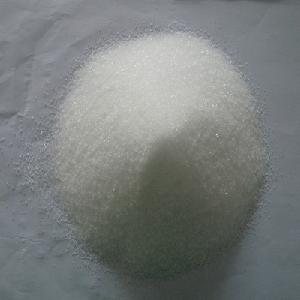
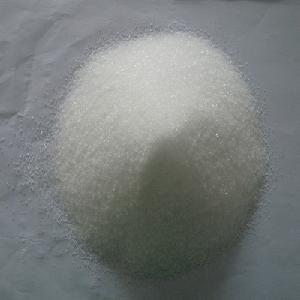
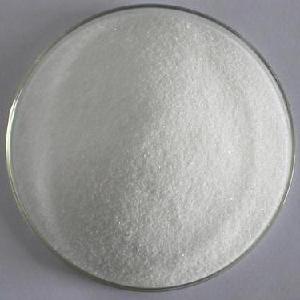
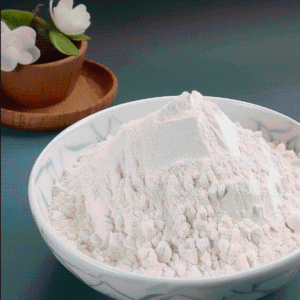
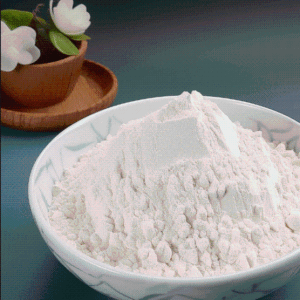
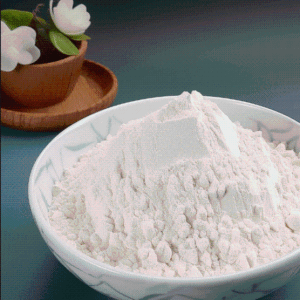
DL-Alanine
DL-Alanine is not naturally abundant in living organisms (most life forms primarily use L-Alanine as a building block for proteins). It is mainly producedsyntheticallythrough two common methods:
- Chemical Synthesis: Typically via the "Strecker synthesis" (reacting acetaldehyde with ammonia and cyanide to form an amino nitrile, which is then hydrolyzed to DL-Alanine) or the "amination of pyruvate" (reacting pyruvic acid with ammonia under catalytic conditions to generate a racemic mixture of alanine).
- Biotechnological Production: Some microbial fermentation processes (using engineered bacteria) can produce DL-Alanine by converting glucose or other carbon sources, though this method is less common than chemical synthesis.
Other supplier products
|
|
DL-Alanine |
While not a direct preservative, DL-Alanine can indirectly help maintain food quality and extend shelf life through two auxiliary mechanisms: 1. Mo... |
|
|
Glycine |
Glycine is a food-grade amino acid approved by the state. Due to its high safety, sweet taste, and multiple functions such as enhancing flavor, buf... |
|
|
DL-Alanine |
DL-Alanine is not a direct, primary food preservative like traditional preservatives (e.g., Nisin, sodium benzoate, potassium sorbate) whose core f... |
|
|
Main Applications of Inositol |
Main Applications of Inositol 1. Health food and nutritional supplements As a vital nutrient, inositol regulates lipid metabolism, protects the liv... |
|
|
The biological activity of inositol |
Biological Activities of Inositol 1. Regulate lipid metabolism and protect the liver Inositol promotes fat transportation and decomposition, inhibi... |
供应产品
Same products