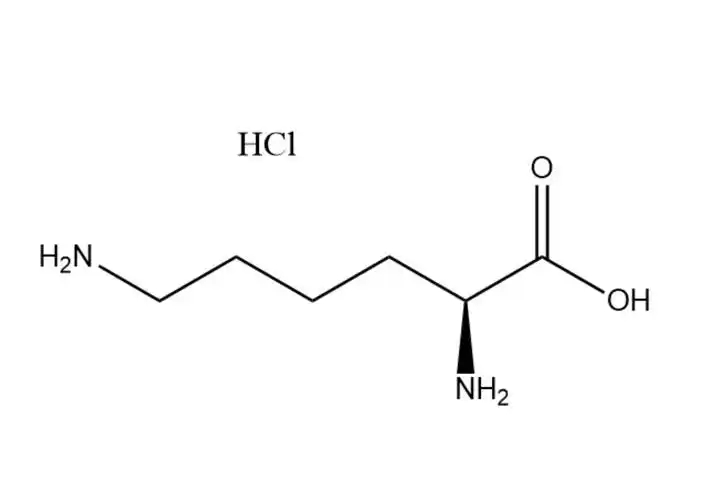
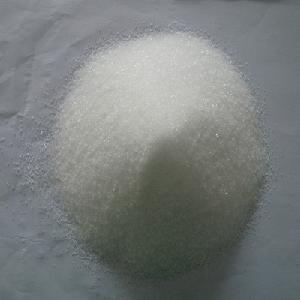
L-Lysine monohydrochloride
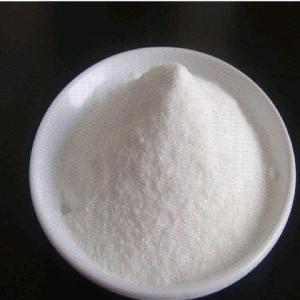
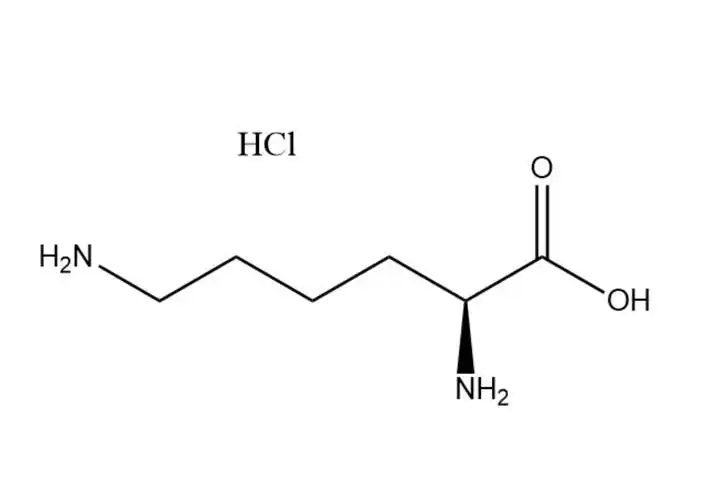
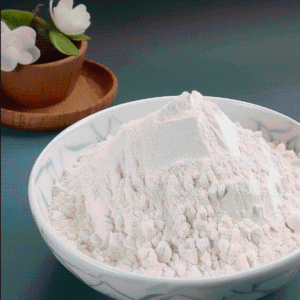
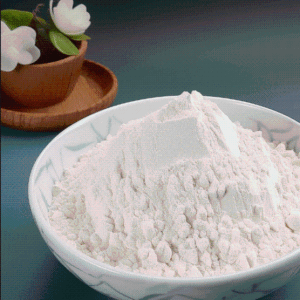
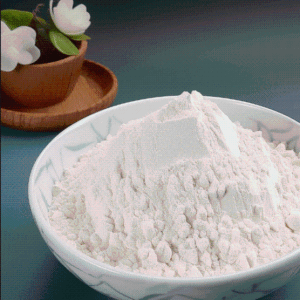
L-Lysine monohydrochloride (molecular formula: C6H14N2O2⋅HCl, CAS No.: 657-27-2) is the hydrochloride salt form of L-lysine—an essential amino acid for humans and animals that cannot be synthesized de novo and must be obtained from dietary or supplemental sources. The hydrochloride salt is the most commercially used form of L-lysine due to its superior water solubility, chemical stability, and crystallinity compared to free L-lysine (which is prone to hygroscopy and oxidation). Below is a systematic and detailed summary of its core physical and chemical properties, covering molecular characteristics, physical properties (appearance, solubility, melting point, etc.), chemical reactivity, and stability—key parameters for its production, formulation, application, and storage in the food, feed, pharmaceutical, and nutraceutical industries.
Other supplier products
|
|
DL-Alanine |
DL-Alanine is thermally stable under normal conditions but is sensitive to prolonged high temperatures, which may cause partial decomposition (e.g.... |
|
|
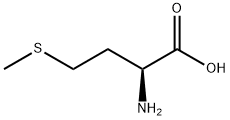
DL-methionine powder |
DL-Methionine, chemically known as DL-2-amino-4-(methylthio)butanoic acid, is a racemic mixture of L-methionine and D-methionine. As an essential s... |
|
|
High quality |
Beyond natural occurrence, L-tryptophan is sometimes added to fortified foods and functional products to enhance nutritional value or provide speci... |
|
|
Sucralose |
Product Name:SucraloseMolecular Weight: 397.63Molecular Formula: C12H19Cl3O8CAS Number: 56038-13-2EINECS Number: 259-952-2Appearance: White to off-... |
|
|
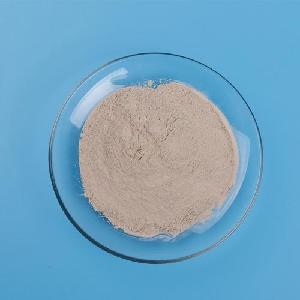
L-Lysine monohydrochloride as nutrient additives |
Free L-lysine is highly hygroscopic—it absorbs atmospheric moisture rapidly at relative humidity (RH) >60%, leading to caking, agglomerati... |
供应产品
Same products