

Full Notch Creep Tester

Whats/App: +86 156 1874 6768
Web: standard-groups.com
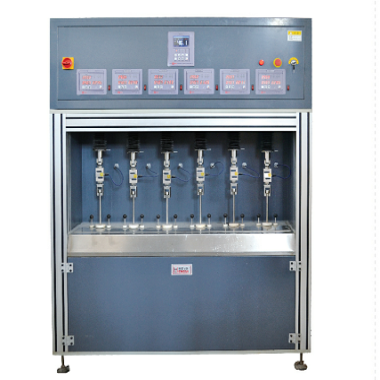
This testing machine is used to test the environmental stress cracking performance of plastic materials. The equipment features touchscreen operation, weight loading, and ensures independent operation of each workstation, uniform temperature distribution, and stable and consistent test results. In addition, a water level monitoring function alerts the operator when the water level is too low.
Applications
1. Plastics/Piping Industry: Testing the high-temperature creep fracture behavior of pipe materials such as PE and PPR to verify long-term service reliability (e.g., water supply and gas pipelines);
2. Automotive Industry: Evaluating the creep stability of plastic/metal components under high-temperature conditions around the engine and exhaust system;
3. Aerospace/Electronics: Verifying the creep resistance of composite materials and electronic packaging materials in high-temperature environments to ensure long-term equipment operation;
4. Chemical/Energy Industry: Testing the creep fracture strength of materials used in chemical equipment and energy storage devices in high-temperature media to meet industrial safety requirements;
5. Materials Research and Development: Screening high-temperature suitable materials, optimizing material formulations and processes, and providing long-term performance data support.
Standards
ISO 16770: Exclusively designed for full-notch creep testing (FNCT) of thermoplastics under sustained stress.
ASTM D2990: Configurable for tensile, compressive, and flexural creep testing of polymers and composites.
Features
1. Uncompromising Precision
Independent 6-Zone Control: Each station operates with ±1% force accuracy (0–2.000N) and ±0.1°C temperature stability.
Hybrid Loading System: Combines motorized force application with manual fine-tuning via touchscreen-guided weights.
2. Versatile Testing Environments
Dual Bath Compatibility: Switch between water (up to 95°C) and oil (up to 150°C) baths for high-temperature polymer analysis.
Expanded Force Capacity: Upgradeable to 4.000N max. load per station for heavy-duty applications.
3. Intelligent Monitoring
Auto-Level Sensing: Real-time solution height detection prevents test interruptions from evaporation or leaks.
Visual Alerts: Touchscreen displays color-coded status indicators for all stations.
4. Future-Ready Design
Modular Architecture: Add stations or upgrade controllers without replacing the entire system.
Multi-Language Interface: Operate in English, German, Chinese, or Spanish.
Technical Parameters
| Specification | Details |
|---|---|
| Stations | 6 fully independent test positions |
| Force Range (per station) | 0–2.000N (standard) / 0–4.000N (optional) |
| Temperature Control | Water: 40–95°C |
| Force Accuracy | ±1% FS (0.5% with calibration kit) |
| Power Supply | 220V/50Hz (110V/60Hz available) |
| Bath Capacity | 15L per station (90L total) |
| Dimensions (W×D×H) | 1.800mm × 750mm × 1.650mm |
| Weight | 380 kg (net) |
Accessoriess
Test Media:
High-temperature silicone oil (150°C max.)
Deionized water reservoir with auto-refill.
Sample Fixtures:
Self-tightening grips for notched specimens (ISO 16770 compliant).
Flat dog-bone clamps for ASTM D2990 testing.
Software Bundle:
CreepVision Pro™: AI-assisted strain analysis with Weibull modulus calculation.
LabShare Cloud: Remote monitoring for up to 50 concurrent users.
Calibration Kit:
NIST-traceable force gauge and thermocouple set.
Extended Warranty:
5-year comprehensive coverage for load cells and controllers.
Test Procedures
1. Pre-test preparation
Check that the instrument's power supply, heating system, and loading mechanism are functioning correctly. Calibrate the temperature and load sensors. Clean the test chamber and fixtures of any debris. Ensure that there is sufficient high-temperature medium (such as heat transfer oil).
2. Sample preparation and installation
Prepare samples with full notches according to the standard, and record basic information such as sample dimensions and notch parameters. Fix the sample onto the special fixture, ensuring that the notch direction is consistent with the force direction, and that the clamping force of the fixture is uniform to prevent sample misalignment.
3. Parameter setting
Set the test temperature, constant load value, and holding time (or fracture termination condition) through the control panel. Set the data acquisition frequency. After confirming that the parameters meet the test standard (e.g., ISO 16770), save the settings.
4. Starting the test
Close the test chamber door, start the heating system, and after the chamber temperature stabilizes to the set value and is maintained for a period of time, start the loading program. The instrument will automatically apply a constant load and start timing, recording creep deformation data in real time.
5. Test monitoring
During operation, monitor the temperature and load stability, observe the sample deformation and crack propagation, and promptly handle any abnormal alarms to ensure continuous testing.
6.Test completion and cleaning
After the sample fractures or reaches the set duration, the instrument automatically unloads and shuts down. After the test chamber cools down to room temperature, open the chamber door, remove the sample, and record data such as fracture time and deformation amount. Clean the fixtures and test chamber, turn off the instrument power, and prepare the test report.
在线联系供应商
Other supplier products
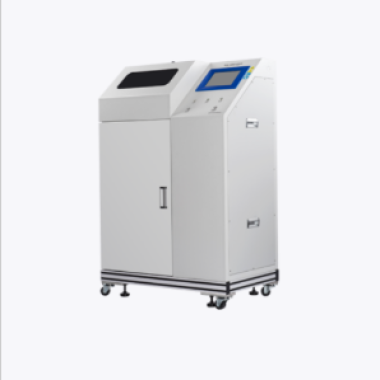 |
Solids Spontaneously Igniting Tester | Whats/App: +86 156 1874 6768 Web: standard-groups.com Conforms to the UN Recommendations on the Transport of Dangerous Goods - Manual of Tests an... |
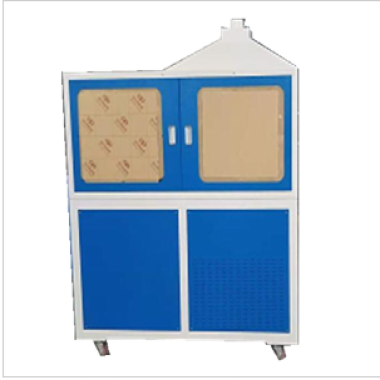 |
Conveyor Belt Drum Friction Testing Machine | Whats/App: +86 156 1874 6768 Web: standard-groups.com Main Purposes of Conveyor Belt Drum Friction Testing Machine The conveyor belt drum fricti... |
 |
SI80 Carbon Arc Aging Tester丨SI80 Carbon Arc Aging Chamber | Whats/App: +86 156 1874 6768 Web: standard-groups.com Material aging and fading performance test SI80 carbon arc aging tester, carbon arc aging ... |
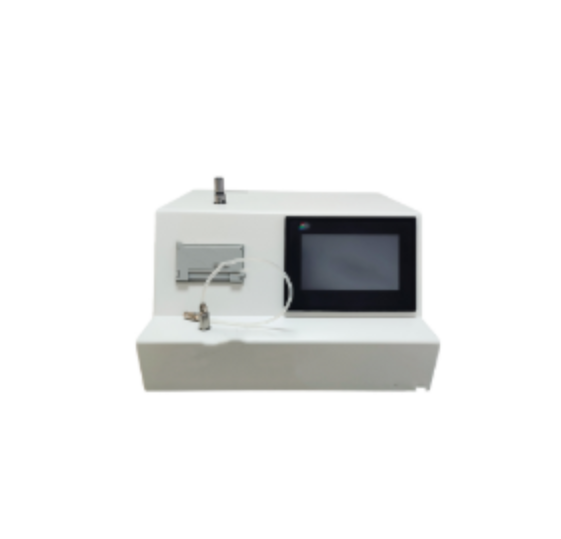 |
Automatic catheter balloon inflation diameter apparatus | Whats/App: +86 156 1874 6768 Web: standard-groups.com Standards ISO 5367:Medical devices — Connectors for breathing system tubes YY 0337.... |
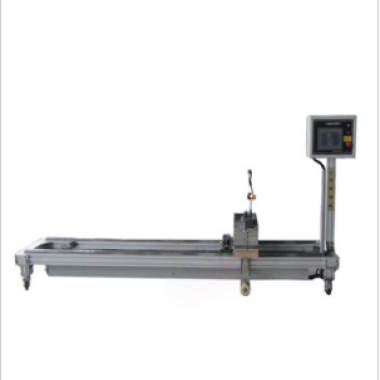 |
Rolling load tester | Whats/App: +86 156 1874 6768 Web: standard-groups.com Standard EN 1569: Determines rolling load resistance of synthetic sports surfaces (e.g., P... |
Same products
 |
KL‑016A Benchtop High‑precision pH Meter | 卖方: 科立龙电子股份有限公司ctron Co.Ltd | Product Description: Large‑screen display with high resolution and precision for con... |
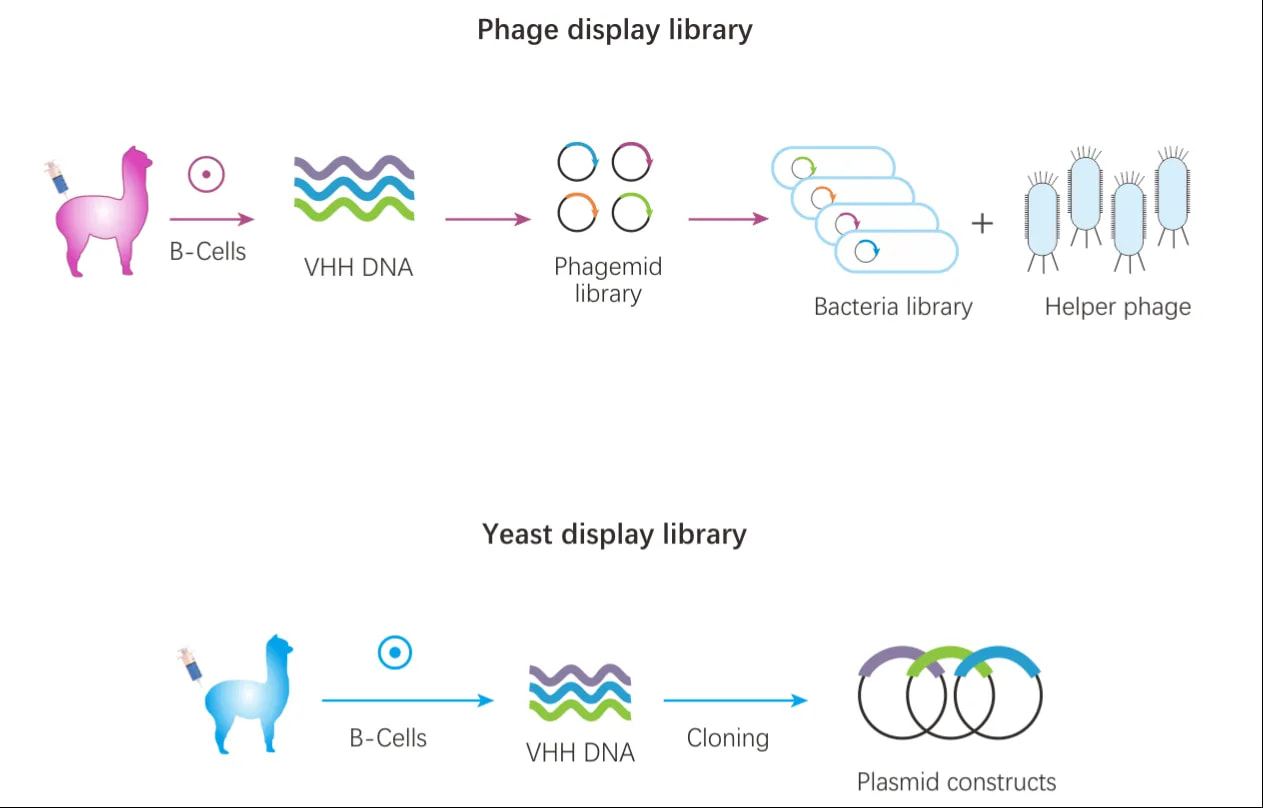 |
Large Naïve VHH Library | 卖方: AlpVHHs | Large Naïve VHH Library VHHare single-domain antibodies derived from the variable regions o... |
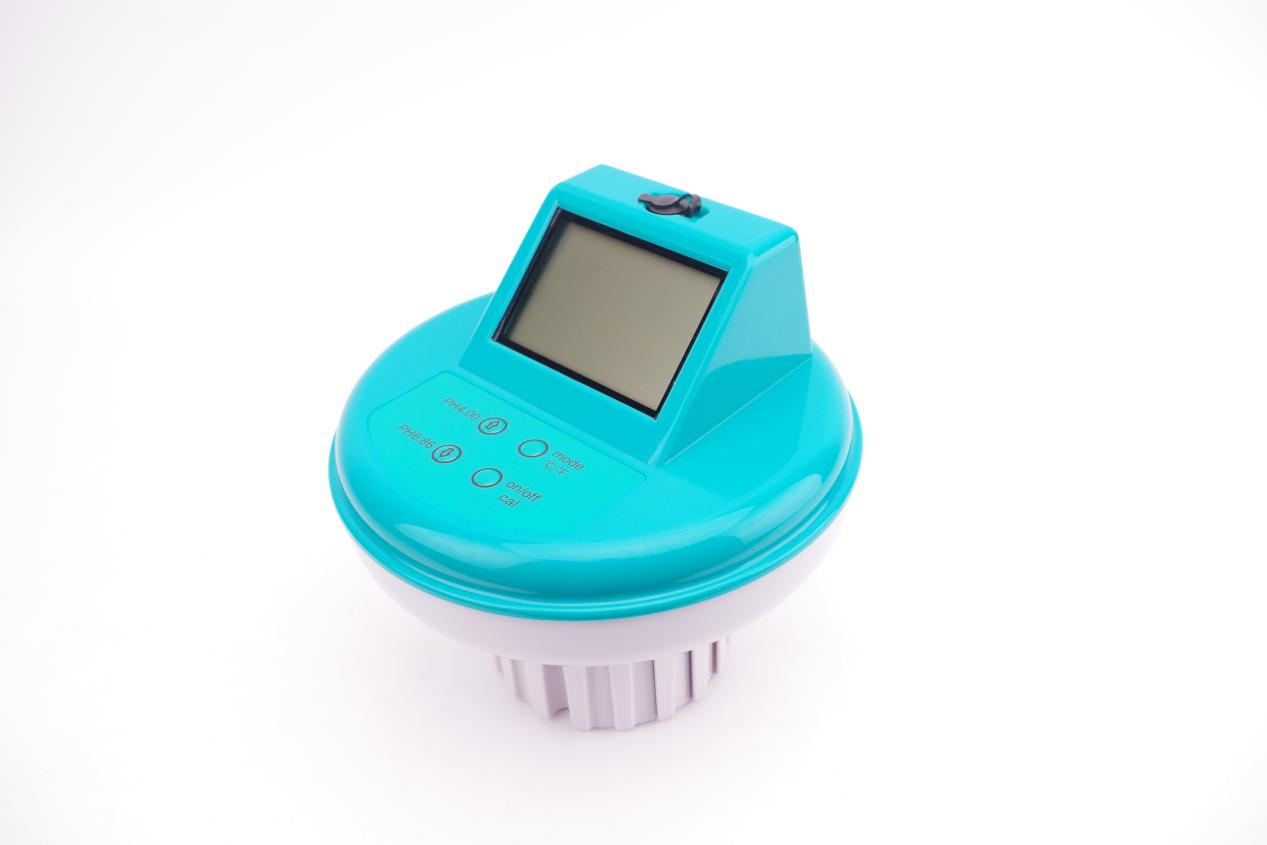 |
PH-2398 pH/EC/ORP/温度 多参数测试仪 | 卖方: 科立龙电子股份有限公司 | 大显示,可同时进行水质PH、氧化还原电位、电导率、温度的测量; 带背光LCD显示清晰,功能齐全,精度高; 仪表采用微电脑测量与控制技术,具有自动校准功能,方便实用。 内置蓝牙,可以与电脑或... |
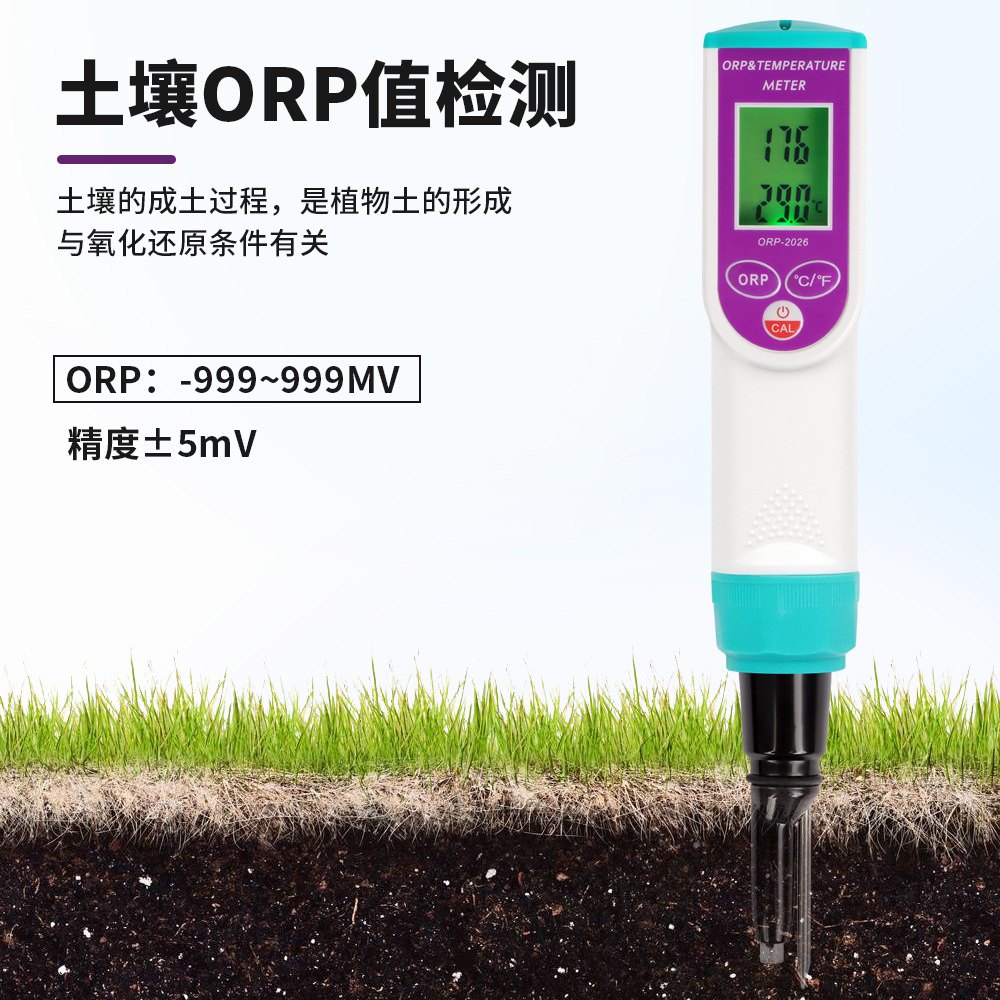 |
ORP-2026S 防水型 土壤ORP&温度 二合一测试仪 | 卖方: 科立龙电子股份有限公司 | 范围 ORP -999~999mV Temp 0~50℃ 分辨率 ORP 1mV... |
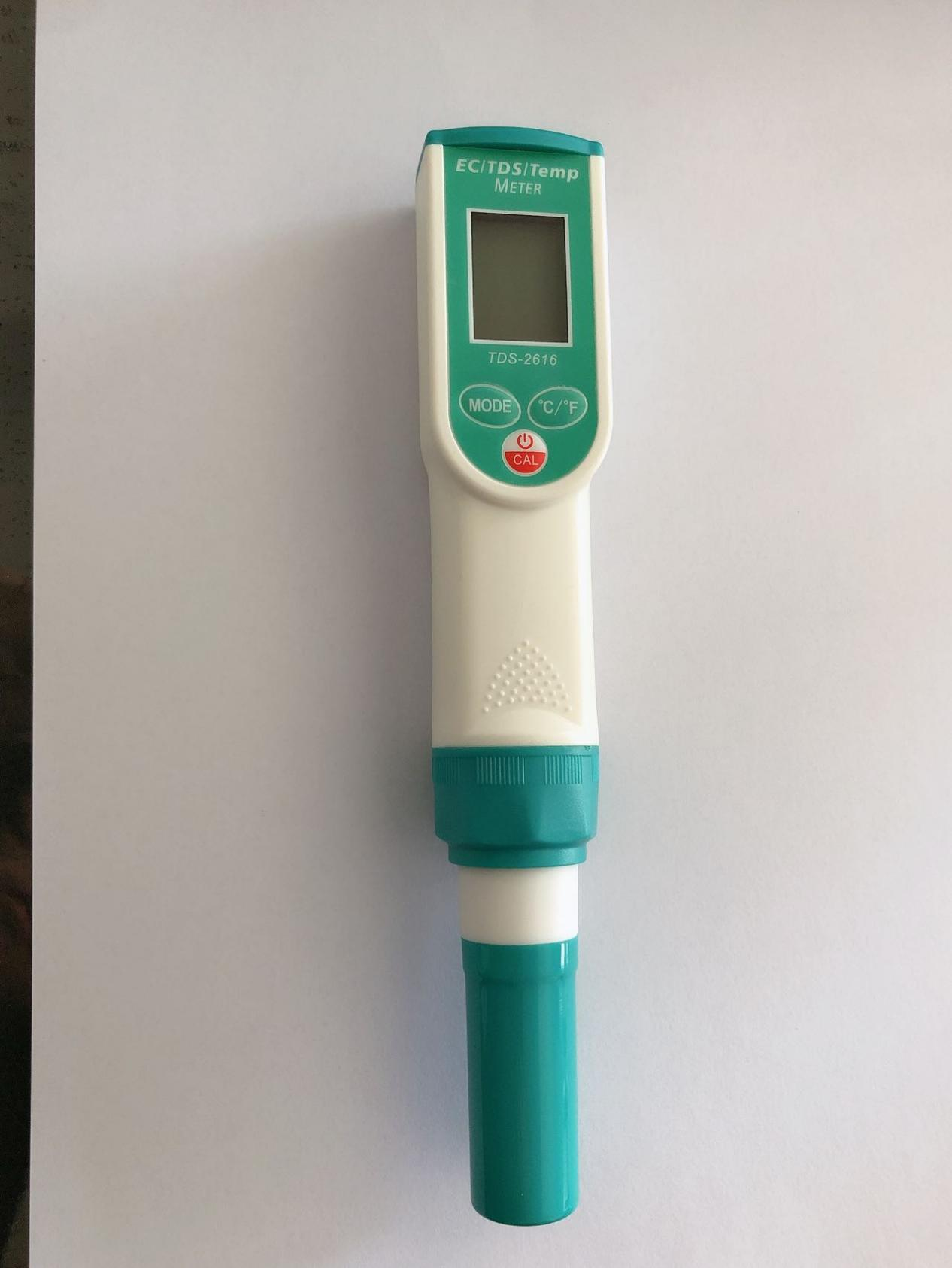 |
防水型 EC /TDS/温度三合一参数测试仪 | 卖方: 科立龙电子股份有限公司 | 范围 EC ~19.9mS TDS Temp 0~50℃ 分辨率 ... |

