

Melt Index Tester

Whats/App: +86 156 1874 6768
Web: standard-groups.com
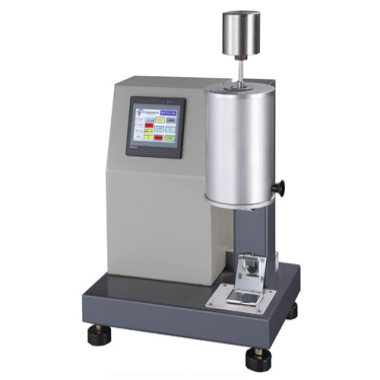
The Melt Index Tester (Melt Flow Rate Meter) is a precision instrument for evaluating the flow properties of thermoplastic materials under specified conditions. By automatically extruding polymer melts through a standardized die and measuring the mass or volume flow, it determines the Melt Flow Rate (MFR), providing critical information on polymer processability, molecular weight, and quality control. The instrument supports both manual and automated testing, with accurate temperature control and built-in data output.
Application
(1) Measurement of melt flow properties for engineering plastics including fluoroplastics, nylon, and polyoxymethylene (POM).
(2) Testing low-melting-point thermoplastics such as polyethylene (PE), polypropylene (PP), polystyrene (PS), ABS resin, and polycarbonate.
(3) Quality control in plastic production and manufacturing to ensure consistent polymer performance.
(4) Research and development of new polymer formulations and compounding.
(5) Petrochemical industry applications for raw material evaluation.
(6) Educational and research laboratories in colleges and universities for polymer science studies.
(7) Commodity inspection and testing institutions for certification and compliance testing.
Standards
(1) ISO 1133 – Plastics – Determination of the melt mass-flow rate (MFR) and melt volume-flow rate (MVR) of thermoplastics.
(2) ASTM D1238 – Standard Test Method for Melt Flow Rates of Thermoplastics by Extrusion Plastometer.
(3) GB/T 3682 – Plastics – Determination of the melt flow rate (MFR).
(4) JIS K7210 – Japanese Industrial Standard for measurement of thermoplastic melt index.
(5) Additional industry-relevant ISO and ASTM standards for polymer characterization and processability assessment.
Features
(1) Rapid heating with minimal temperature overshoot for consistent test conditions.
(2) High-accuracy PID temperature control (±0.1°C) with over-temperature protection.
(3) Automatic recovery to constant temperature after sample loading.
(4) Supports both manual and automatic cutting methods for test sample extrusion.
(5) Built-in Chinese LCD display with intuitive interface.
(6) Integrated printer for automatic result output.
(7) Reliable, stable operation with precise, repeatable measurements.
Parameters
| Parameter | Specification |
|---|---|
| Temperature Control | 50–450°C, PID control, accuracy ±0.1°C (with over-temp protection) |
| Weights | 1200g, 2160g, 3800g, 5000g, 10000g |
| Automatic Cropping Device | Automatic and manual operation (optional) |
| Time Setting | 0.1–999.9 min, arbitrary setting |
| Cylinder Diameter | 9.5504 ± 0.0076 mm |
| Plunger Diameter | 9.4742 ± 0.0076 mm |
| Die/Thin Hole Pattern | External diameter 9.5 ± 0.02 mm, bore 2.0955 ± 0.0051 mm, length 8.00 ± 0.02 mm |
| Machine Size (L×W×H) | 36 × 51 × 60 cm |
| Machine Weight | 40 kg (excluding weights) |
| Power Supply | AC 220V, 5A |
Accessories
(1) Mercurial thermometers (150°C, 200°C, 250°C, 300°C optional).
(2) Cleaning brush and scraper.
(3) Guide material stick.
(4) Observation mirror.
(5) Feedstock funnel.
(6) Three frictioning steel discs.
(7) Two thin hole pattern determination gauges.
Test Procedures
(1) Preheat the cylinder to the required test temperature.
(2) Load the polymer sample into the cylinder and allow it to reach thermal equilibrium.
(3) Apply the specified weight on the plunger for extrusion.
(4) Start the automatic or manual cutting mechanism as per the test method.
(5) Measure the mass or volume of extruded polymer in the defined time interval.
(6) Record results and calculate the Melt Flow Rate (MFR) according to standard formulas.
(7) Repeat tests as needed for multiple samples or repeatability verification.
Maintenance Information
(1) Keep cylinder, plunger, and die clean after each test to prevent residue build-up.
(2) Calibrate weights and temperature sensors periodically.
(3) Inspect cutting mechanism and lubricate moving parts regularly.
(4) Store instrument in a dry, stable environment to prevent corrosion.
(5) Check printer and display functionality before daily operation.
在线联系供应商
Other supplier products
 |
Laboratory Catheter Friction Testing Bench for Sale | Get a quote: Whats/App: +86 156 1874 6768 Web: standard-groups.com The Catheter Friction Tester is a precision instrument used to measure the su... |
 |
Automobile seat belt fixed point test bench | Get a quote: Whats/App: +86 156 1874 6768 Web: standard-groups.com The Car Seat Component Clearance Test Bench is designed to accurately measure... |
 |
Helmets Designated Protection Areas Tester | Whats/App: +86 156 1874 6768 Web: standard-groups.com The helmet designated protection area testing device is a piece of equipment used to mark t... |
 |
Compression Fatigue Testing Machine | Whats/App: +86 156 1874 6768 Web: standard-groups.com Standard YY/T 0959-2014 (China): Specifies compression fatigue testing protocols for inter... |
 |
Battery Isothermal Calorimeter | Whats/App: +86 156 1874 6768 Web: standard-groups.com Product Description Battery Isothermal Calorimeter is a professional instrument developed ... |
Same products
 |
Full-Body Garment Stress Tester,FZ/T 70015 | 卖方: Standard International Group (HK) Limited | Whats/App: +86 156 1874 6768 Web: standard-groups.com TheFull-Body Garment Stress Testeris a pr... |
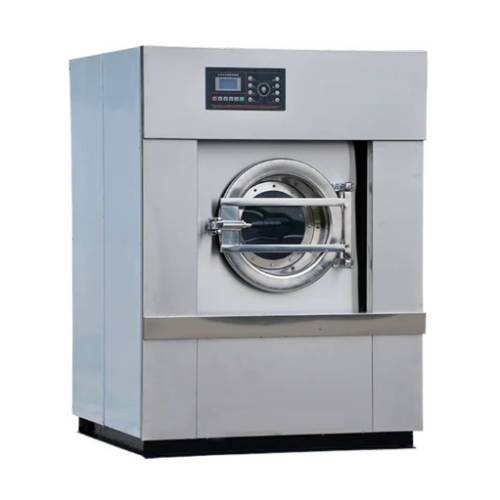 |
Industrial Dry Cleaning Machine,industrial garment steamer | 卖方: Standard International Group (HK) Limited | Whats/App: +86 156 1874 6768 Web: standard-groups.com TheIndustrial Dry Cleaning and Energy-Sav... |
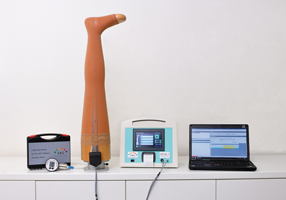 |
MST Medical Compression Stocking Tester,compression sock tester | 卖方: Standard International Group (HK) Limited | Whats/App: +86 156 1874 6768 Web: standard-groups.com The MST Medical Compression Stocking Test... |
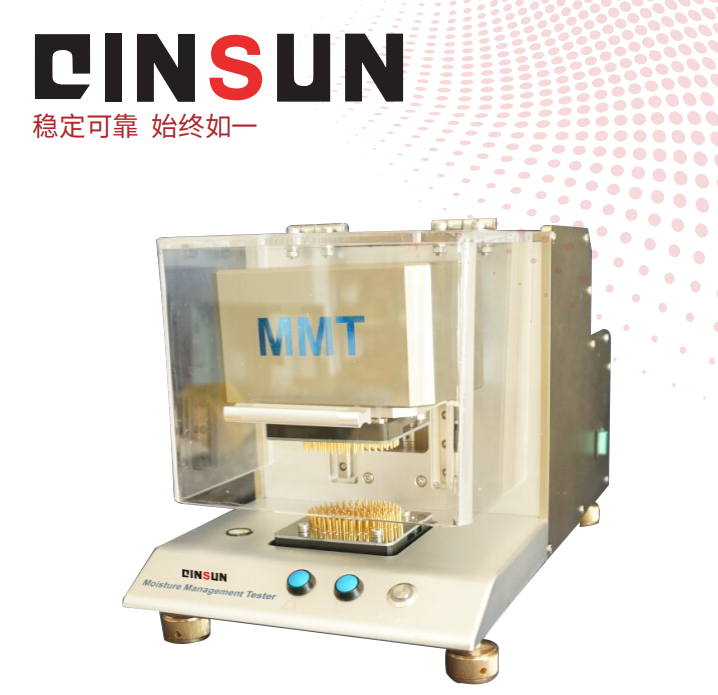 |
MMT Liquid Water Separation Tester,MMT Liquid Water Analysis Tool | 卖方: Standard International Group (HK) Limited | Whats/App: +86 156 1874 6768 Web: standard-groups.com Applications Textile Manufacturing:Testi... |
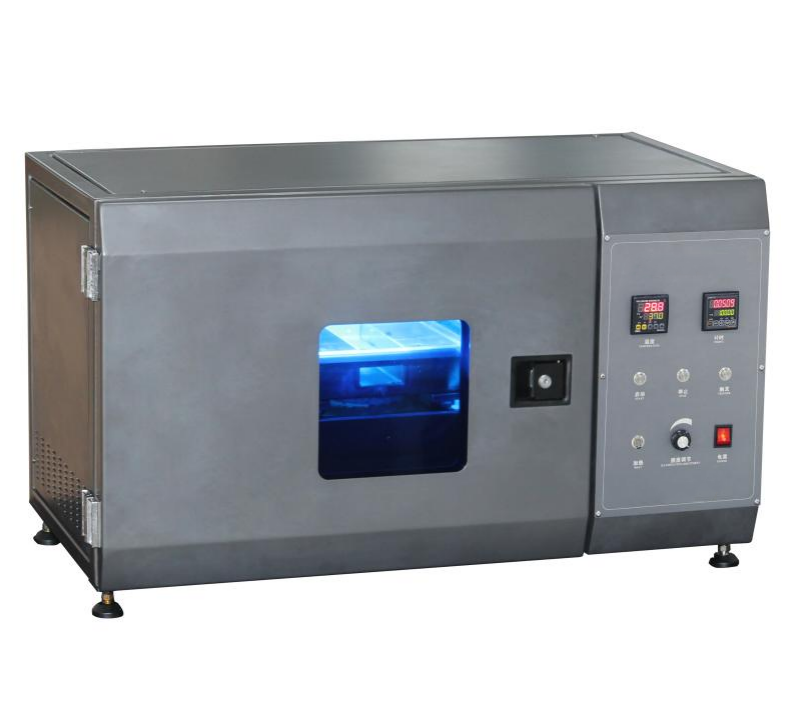 |
Dental material color stability tester | 卖方: Standard International Group (HK) Limited | Whats/App: +86 156 1874 6768 Web: standard-groups.com Application The applications of color st... |

