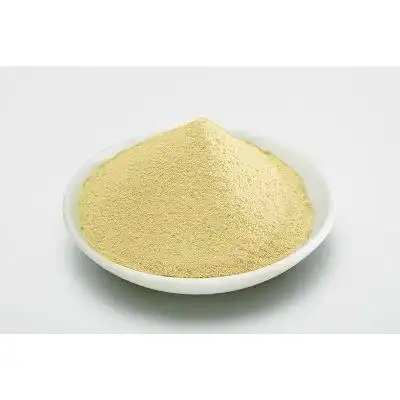
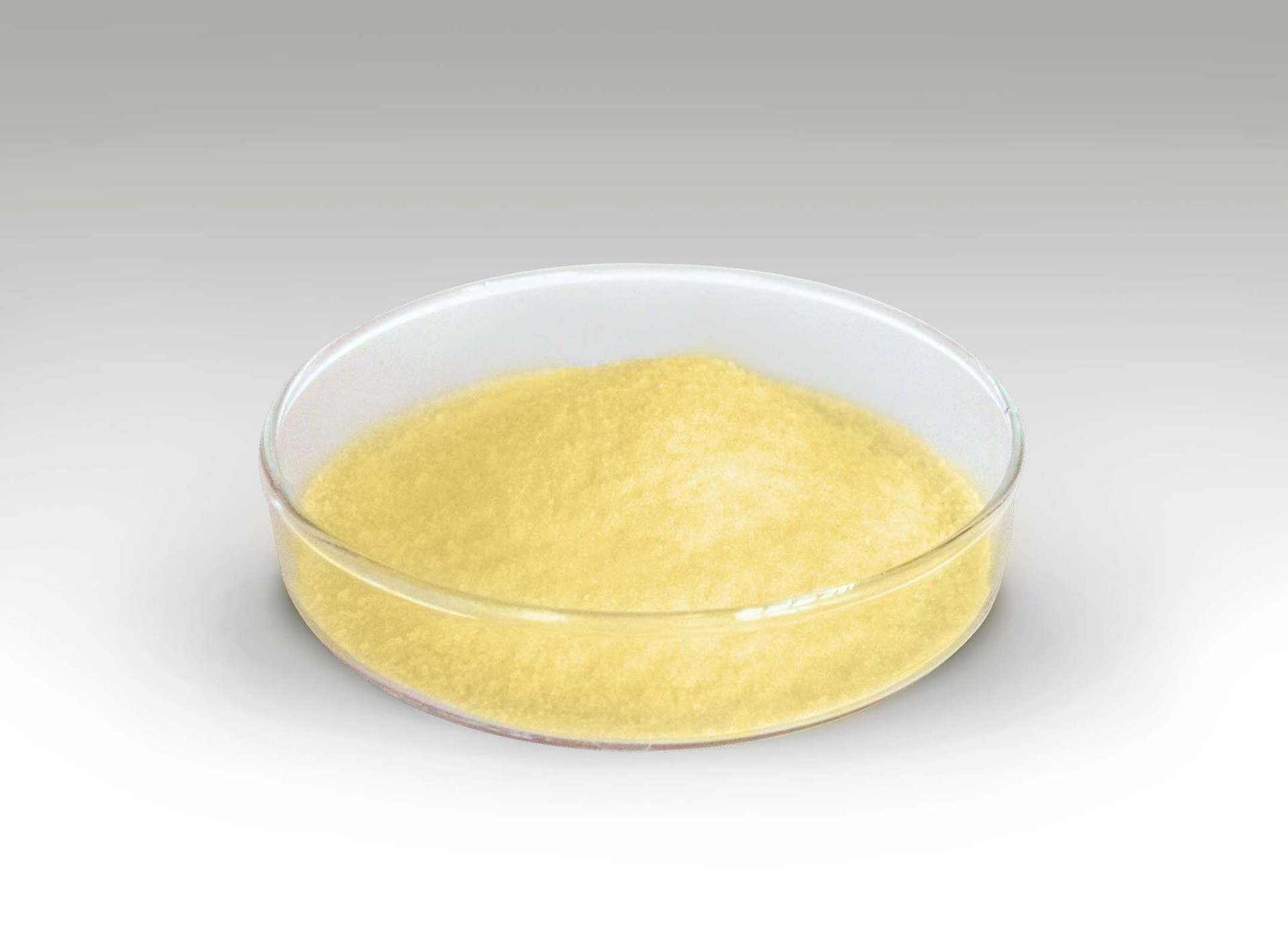
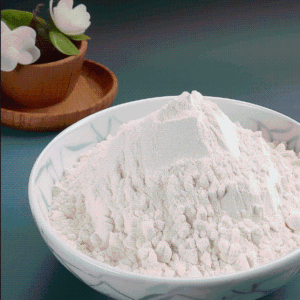
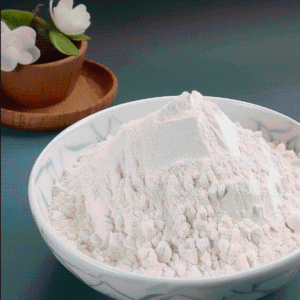
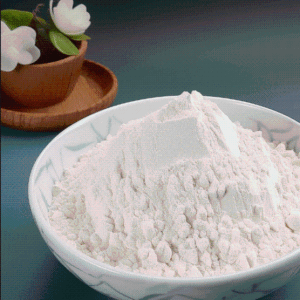
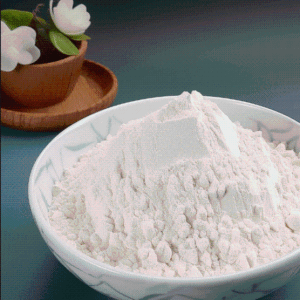
Phospholipid Powder Wholesale Price
Regulatory and Labeling Compliance of Phospholipid Powder
Food Additive Regulations:
Confirm that the phospholipid powder is approved for use in the target food category in relevant regions (e.g., EU Regulation No. 1333/2008, FDA 21 CFR §184.1522 for soy phospholipids).
Adhere to maximum usage limits specified by local authorities.
Labeling Requirements:
Clearly list phospholipids on ingredient labels by their common name (e.g., "soy lecithin," "sunflower lecithin") or functional class (e.g., "emulsifier").
Declare potential allergens (e.g., "contains soy" or "contains egg") in compliance with regional labeling laws (e.g., FDA’s Food Allergen Labeling and Consumer Protection Act).
Other supplier products
|
|
Phospholipids Market quotation |
The main classification of phospholipidsPhospholipids can be classified into two major categories based on their different skeletons:Glycerophospho... |
|
|
Phospholipid made in China |
Certain phospholipids (e.g., phosphatidylcholine, phosphatidylserine) are added to functional foods as nutritional supplements, leveraging their ro... |
|
|
Phosphatidylserine Price |
Phosphatidylserine is a kind of phosphatidylserine. Pure phosphatidylserine is a white waxy solid, which can be dissolved in most non-polar solvent... |
|
|
Phosphatidylserine in bag |
Functional Foods and Dietary Supplements: Nutritional and Formulation AdvantagesNutraceutical FormulationsHigh Bioavailability: Phosphatidylserine ... |
|
|
Phosphatidyl serine Price |
Phosphatidyl serine, also known as diacylglyceryl phosphate serine, phosphatidyl serine phosphatidylserine, complex neric acid, is a widely existed... |
All supplier products
Same products