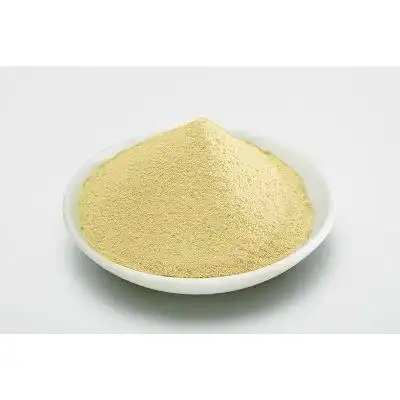
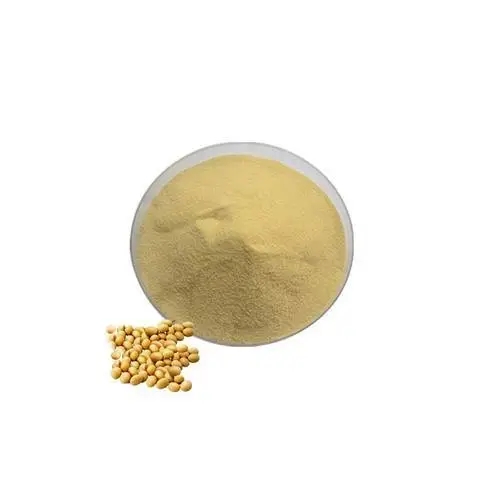
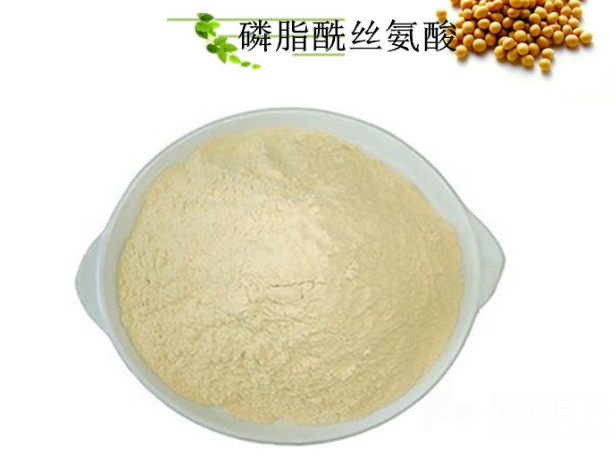
Phospholipid Powder
Regulatory and Labeling Compliance of Phospholipid Powder
Food Additive Regulations:
Confirm that the phospholipid powder is approved for use in the target food category in relevant regions (e.g., EU Regulation No. 1333/2008, FDA 21 CFR §184.1522 for soy phospholipids).
Adhere to maximum usage limits specified by local authorities.
Labeling Requirements:
Clearly list phospholipids on ingredient labels by their common name (e.g., "soy lecithin," "sunflower lecithin") or functional class (e.g., "emulsifier").
Declare potential allergens (e.g., "contains soy" or "contains egg") in compliance with regional labeling laws (e.g., FDA’s Food Allergen Labeling and Consumer Protection Act).
Other supplier products
|
|
important phospholipid |
Phosphatidylserine is present in the biofilms of all animals, higher plants, and microorganisms. It is a very important component of phospholipids ... |
|
|
Phosphatidyl serine |
Phosphatidyl serine is found in very little content in fish, meat, rice, noodles, beans, green vegetables, and other general foods. Even the highes... |
|
|
Phosphatidyl serine |
磷脂酰丝氨酸在食品加工业中可用作稳定剂,它具有良好的乳化性能,能在水与油之间形成稳定的乳化液体系,在食品加工中,它能帮助稳定乳化液、乳脂、悬浮液等,防止其分层和沉淀,提高产品的均匀性和稳定性。表面活性剂作用:磷脂酰丝氨酸是一种具有降低液体表面张力能力的表面活性剂,通过在液体界面上形成薄膜,可以... |
|
|
Phosphatidylserine Powder |
Phosphatidylserine is the most well-validated nutrient for preserving cognitive function, with advantages that are both structural and regulatory, ... |
|
|
Phospholipids |
The biological functions of phospholipids1. The basic structure that constitutes biofilmsPhospholipid molecules spontaneously form Lipid Bilayer in... |
供应产品
Same products