

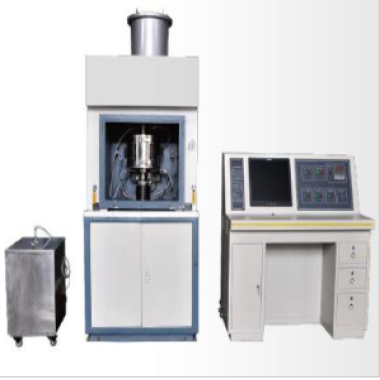
High temperature vacum friction & wear tester

Main uses:
High temperature vacuum friction and wear testing machine is mainly used to study the friction and wear characteristics of materials in high temperature and vacuum environment. Its exquisite design and comprehensive functions can simulate a variety of practical conditions and provide reliable experimental data for researchers. Specifically, the main uses of the testing machine include:
Materials science research: By simulating the friction and wear process under high temperature vacuum environment, we can deeply explore the friction and wear mechanism of materials, and provide experimental support for theoretical research and application development of materials science.
Aerospace applications: When spacecraft operate in high temperature and vacuum environments, the friction and wear properties of their components are critical. The testing machine can be used to evaluate the high temperature vacuum friction and wear resistance of aerospace materials, and provide a basis for the selection and design of components.
Automotive industry applications: Components such as automotive engines work at high temperatures and in specific atmospheres, and their friction and wear performance directly affects the performance and life of the vehicle. The testing machine can be used to evaluate the wear resistance of auto parts in high temperature vacuum environment, and provide experimental data for improving and optimizing auto parts.
Other industrial applications: In metallurgy, chemical industry, energy and other industrial fields, there are also friction and wear problems in high temperature and vacuum environment. The testing machine can be used to evaluate the high-temperature vacuum friction and wear resistance of materials used in these fields, providing strong support for industrial production and quality control.
Applicable standards:
When conducting high-temperature vacuum friction and wear tests, it is usually necessary to follow certain standards and specifications. Here are some common applicable standards:
ASTM Standards: Relevant standards developed by the American Society for Materials and Testing (ASTM) may contain specific methods and requirements for high-temperature vacuum friction and wear tests. These standards specify the loading method, test temperature, vacuum degree, data recording and other parameters and requirements during the test process.
1SO standard: The International Organization for Standardization (1SO) may also have developed standards related to high-temperature vacuum friction and wear tests. These standards first ensure the accuracy and comparability of test results, and provide a uniform basis for international scientific research cooperation and industrial exchanges.
Other industry standards or enterprise standards: In addition to the general standards mentioned above, different industries or enterprises may also develop specific testing standards. These standards may have specific requirements for specific material types, test conditions or treatment of test results.
It is important to note that different standards and specifications may have different requirements for different types of materials and test environments. Therefore, when conducting high-temperature vacuum friction and wear tests, it should be ensured that the selected standards are consistent with the test purpose and requirements.
Technical parameters:
|
Parameters |
Unit |
min |
max |
note |
|
|
Pin/Ball Diameter |
mm |
3 |
12 |
Round or square pins |
|
|
Wear track diameter |
mm |
15 |
70 |
Disk diameter 100 mm |
|
|
Rotational speed of the disk |
rpm |
1 |
2000 |
0.1rpm Minimum Count |
|
|
Positive load |
N |
0 |
60 |
50 mN Minimum Count |
|
|
friction |
N |
0 |
20 |
5mN Minimum Count |
|
|
temperature |
℃ |
indoor temperature |
800 |
1°C Minimum Count |
|
|
Wear test range |
um |
0 |
2000 |
0.1μm Minimum Count |
|
|
disk vibration |
Stroke Vibration |
degrees |
0 |
0 |
1 degree minimum count |
|
angular frequency |
Hz |
0.1 |
5 |
||
|
Preset Timer |
Hr/Min/ ec |
99/59/59 |
|||
|
Battery |
V/kVA/Ph/Hz |
230/10/1/50 |
|||
Send product request
Other supplier products
 |
Oil-Water Separation Tester | Applicable Standards: (1)ISO/ TS 16332-2006 Diesel engine diesel filters Fuel Water Separation Efficiency Assessment Method. (2) ISO 4020-2001 ... |
 |
Shoe bending Angle tester | Shoe bending Angle testing machine is mainly used for outsole rigidity test, with a solid block the front of the shoe clamped on the hard base, wit... |
 |
Wet microbial penetration resistance tester YY/T 0506.6-2009 | Standards: YY/T 0506.6-2009 Surgical drapes, gowns and clean air suits, used as medical devices, for patients, clinical staff and equipment-Part 6... |
 |
Velcro Fatigue Tester | Product Information: Velcro Fatigue Testeris designed for opening and closing the hook and loop fasteners, A hook and loop fastener is repeatedly ... |
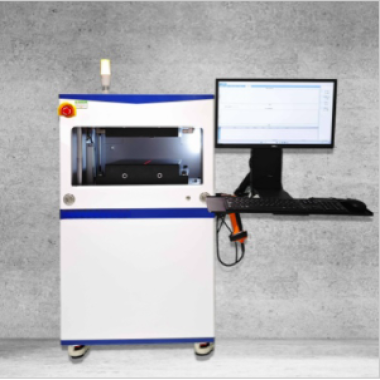 |
Automatic voltage internal resistance tester | Standard ASTM E83: Standard Test Method for Verification of Linear Displacement Measuring Systems ISO 3611: Calibration of Measuring Instruments ... |
Same products
 |
KL‑016A Benchtop High‑precision pH Meter | Seller: Kelilong Electron Co.Ltd | Product Description: Large‑screen display with high resolution and precision for con... |
 |
Large Naïve VHH Library | Seller: AlpVHHs | Large Naïve VHH Library VHHare single-domain antibodies derived from the variable regions o... |
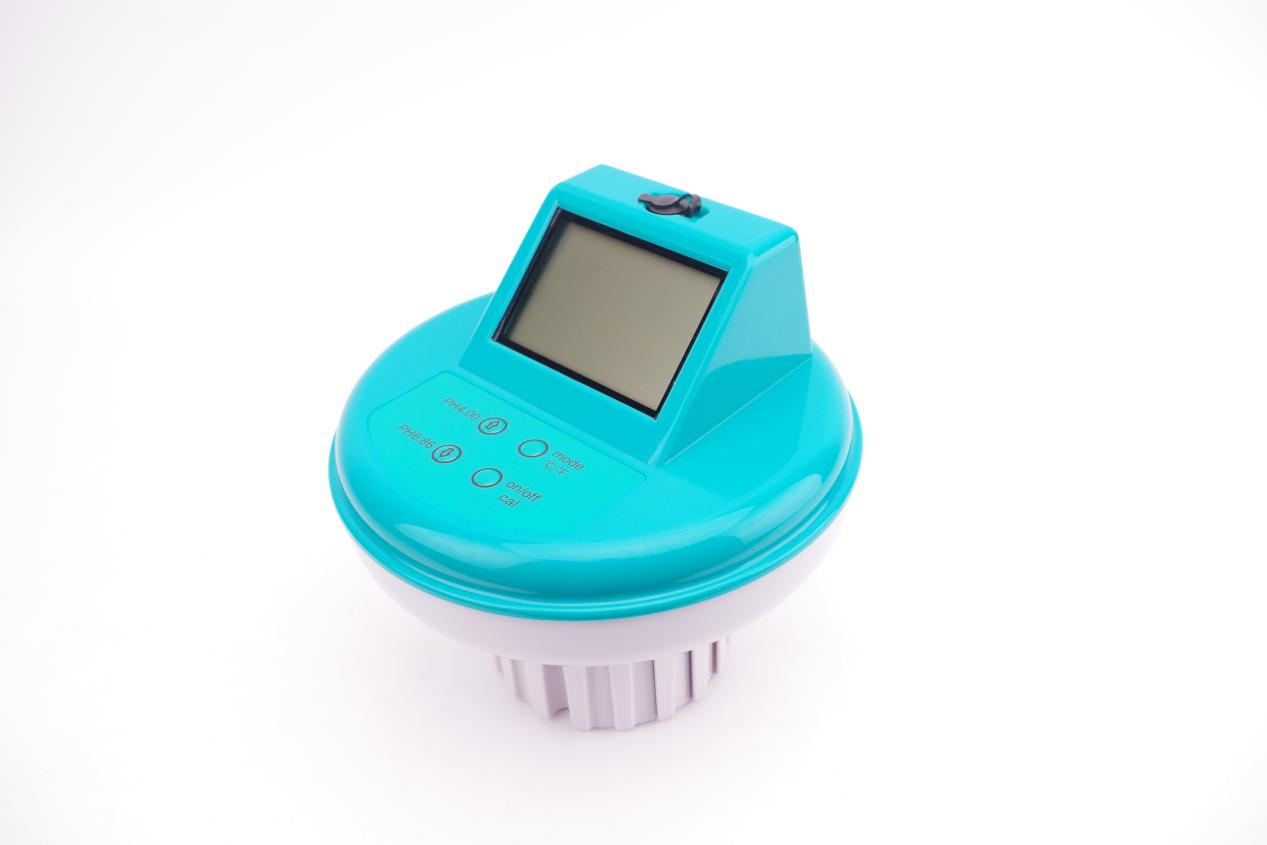 |
pH-2398 pH/EC/ORP/Temperature multi-parameter Water Quality Tester | Seller: Kelilong Electron Co.,Ltd | Feature Large display screen, capable of simultaneously measuring water quality pH, redox potent... |
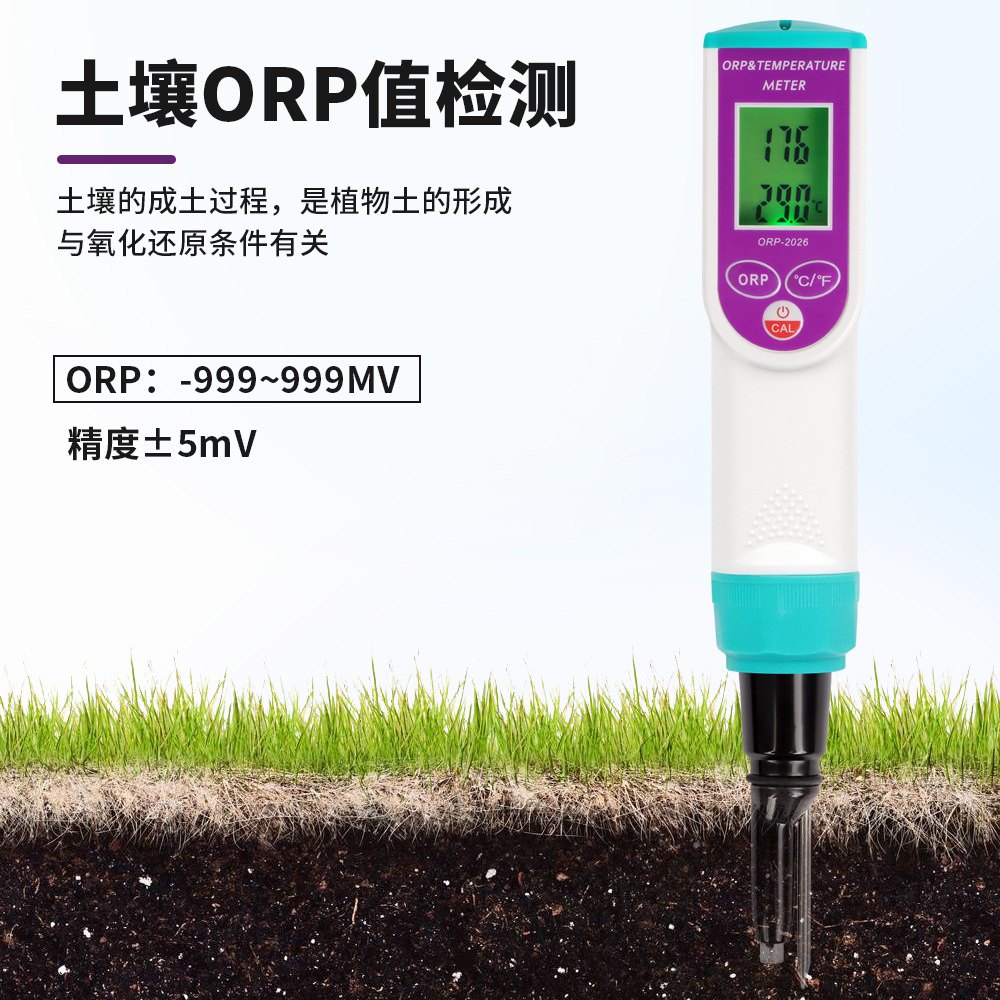 |
ORP-2026S Waterproof Soil ORP and Temperature Meter | Seller: Kelilong Electron Co.,Ltd | 范围 ORP -999~999mV Temp 0~50℃ 分辨率 ORP 1mV... |
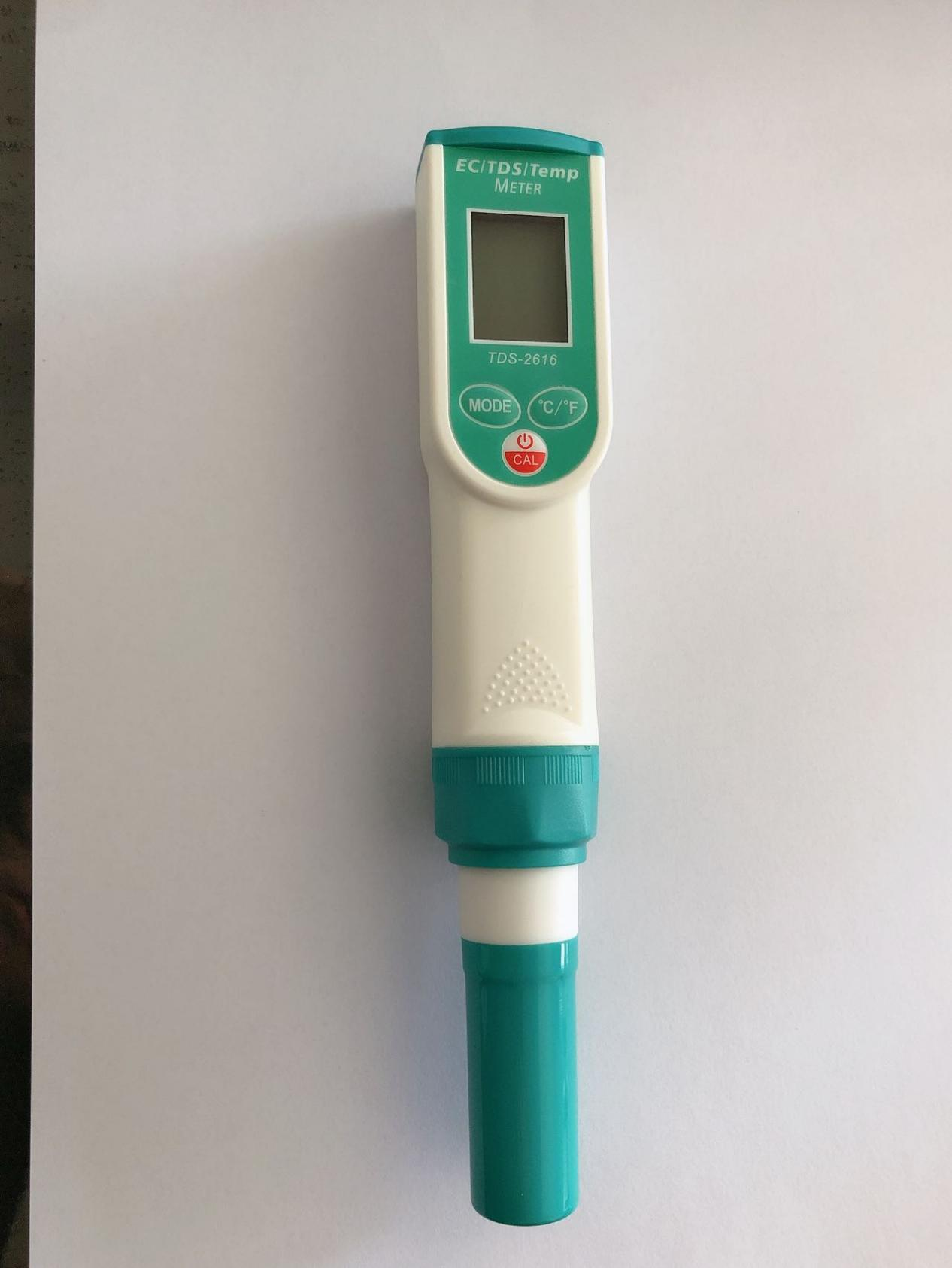 |
TDS-2616 Waterproof EC/TDS/Temperature Meter | Seller: Kelilong Electron Co.,Ltd | Range EC ~19.9mS TDS Temp 0~50℃ R... |

