L-Methionine


Industrial Production Sources of L-Methionine(For Additives & Fortification) To meet the high demand for L-methionine in food, feed, and pharmaceutical industries, large-scale industrial production is the primary source of purified L-methionine. Two main production routes dominate: (1) Chemical Synthesis The traditional and most widely used method involves synthesizing a racemic mixture (DL-methionine) from petrochemical raw materials (e.g., acrolein, methyl mercaptan, and ammonia). The racemate is then resolved into L-methionine (the biologically active isomer) via enzymatic or chemical resolution. This method is cost-effective, with high production capacity, and accounts for over 80% of global industrial output. DL-methionine is also directly used in animal feed (as animals can partially convert D-methionine to L-methionine), while purified L-methionine is used in human food and pharmaceuticals. (2) Biofermentation (Green & Sustainable Route) With the development of synthetic biology and industrial microbiology, biofermentation has emerged as an eco-friendly alternative to chemical synthesis. This process uses genetically engineered microorganisms (e.g., Corynebacterium glutamicum, Escherichia coli) to produce L-methionine from renewable substrates such as glucose (derived from corn or sugarcane), molasses, or glycerol. The microorganisms convert the carbon source into L-methionine through metabolic pathways optimized by gene editing, resulting in high-purity (≥98%) L-methionine without the need for resolution. Biofermentation is gaining traction due to its lower carbon footprint, compliance with green production policies, and growing demand for natural ingredients. Major manufacturers (e.g., Evonik, Adisseo, Meihua Biotech) are expanding fermentation-based production capacity, with this route expected to account for 30–40% of global supply by 2030.
Отправить запрос, связаться с поставщиком
Другие товары поставщика
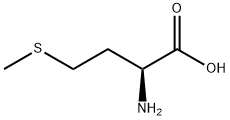 |
DL-Methionine | Redox Properties of DL-MethionineThemethylthio group (-SCH3)in the side chain of DL-methionine is the core moiety responsible for its redox reactiv... |
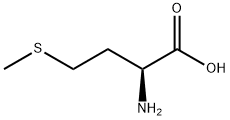 |
DL-Methionine | Solubility of DL-MethionineWater solubility: DL-methionine isslightly soluble in water, which is a typical characteristic of non-polar amino acids.... |
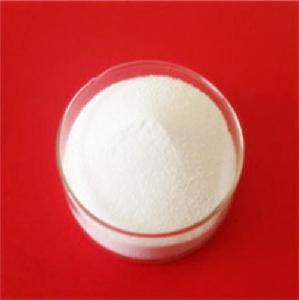 |
L-Methionine | L-Methionine, an essential sulfur-containing amino acid, cannot be endogenously synthesized by humans and most monogastric animals (e.g., chickens,... |
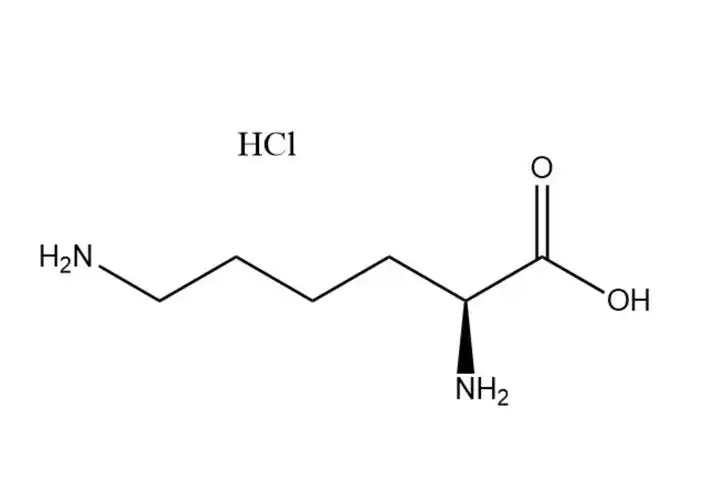 |
L-Lysine monohydrochloride | L-Lysine monohydrochloridehas a higher aqueous solubility than free L-lysine: ~70 g/100 mL at 25 °C (vs. ~63 g/100 mL for free L-lysine), with ... |
 |
L-Methionine in Pharmaceutical and Medical Applications | In pharmaceuticals, L-Methionine is used for therapeutic purposes and as a pharmaceutical excipient, leveraging its metabolic and antioxidant prope... |