1414-45-5

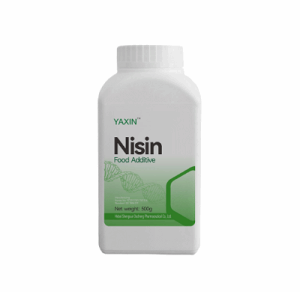
Nisin, as a natural antimicrobial peptide, finds applications in various industries due to its ability to inhibit the growth of bacteria, especially Gram-positive bacteria. Here are some common applications of Nisin:
Food Preservation:
Dairy Products: Nisin is frequently used in the preservation of dairy products such as cheese, yogurt, and milk to control the growth of spoilage and pathogenic bacteria. It is effective against Listeria monocytogenes, a foodborne pathogen.
Meat and Poultry: Nisin is employed to extend the shelf life of meat and poultry products by preventing the growth of bacteria responsible for spoilage and contamination.
Canned Foods: It is used in canned goods to inhibit the growth of bacteria and ensure the long-term stability of the products.
Beverages:
Soft Drinks and Fruit Juices: Nisin can be added to beverages to prevent the growth of spoilage microorganisms and enhance the shelf life of the products.
Bakery Products:
Bread and Pastry: Nisin is used in bakery products to prevent mold growth and increase the shelf life of baked goods.
Processed Foods:
Ready-to-Eat Meals: Nisin is applied in ready-to-eat meals to control bacterial contamination and extend the product's storage life.
Cosmetics and Personal Care Products:
Topical Creams and Lotions: Due to its antimicrobial properties, Nisin may be incorporated into cosmetic and personal care products to prevent microbial contamination.
Pharmaceuticals:
Topical and Oral Formulations: Nisin's antimicrobial properties make it a potential ingredient in pharmaceutical formulations, including topical creams and oral preparations.
Biotechnology:
Fermentation Processes: Nisin can be used in biotechnological processes to control bacterial contamination during fermentation.
Animal Feed:
Livestock and Poultry Feed: Nisin may be added to animal feed to promote animal health by controlling the growth of harmful bacteria in the digestive tract.
Health Supplements:
Probiotics: Nisin can be used in combination with probiotics to prevent the overgrowth of unwanted bacteria in probiotic supplements.
It's important to follow regulatory guidelines and acceptable usage levels when incorporating Nisin into products, as approved usage may vary by country or region. Additionally, the effectiveness of Nisin may depend on factors such as pH, temperature, and the specific microorganisms targeted.
Другие товары поставщика
|
|
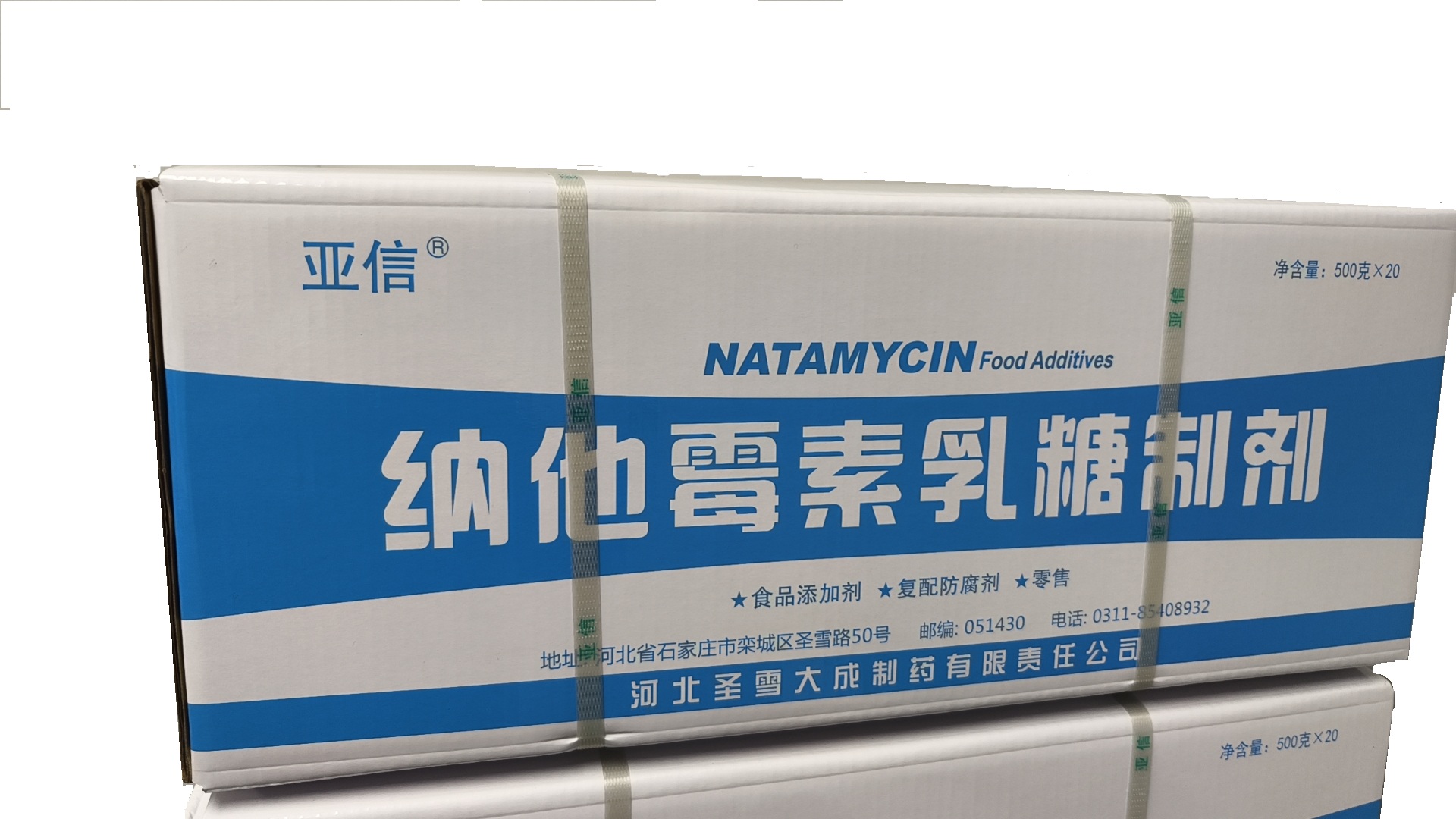
Natamycin |
New products coming soon! Welcome to inquire and book! Food Industry Natamycin is widely used as a natural preservative to prevent the growth of fu... |
|
|
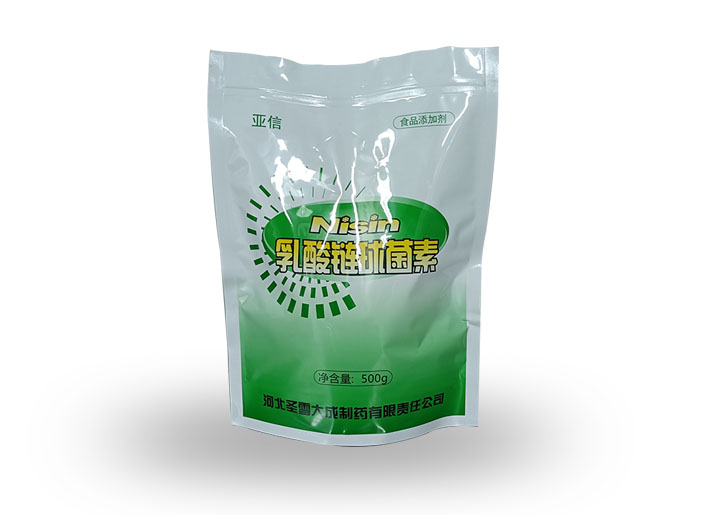
Nisin Supplier |
Storage in Dry Form:When stored as a dry powder, nisin is less sensitive to pH fluctuations, but exposure to moisture in alkaline environments can ... |
|
|
Tylvalosin Tartrate Premix |
Brand name:Shengxue TaikesCommon name:Tylvalosin tartrate premixMain ingredient:Tylvalosin tartrateCharacteristics:This product is a light yellow-b... |
|
|
Natamycin 7681-93-8 |
New products coming soon!Welcome to inquire and book! In Baked Goods Bread: In bread production, natamycin can be incorporated during the dough pre... |
|
|
Nisin Supplier 500g |
Recognized by the global mainstream regulatory systemThe FDA (Food and Drug Administration of the United States) has classified Nisin as a GRAS (Ge... |
Все товары поставщика
Похожие товары