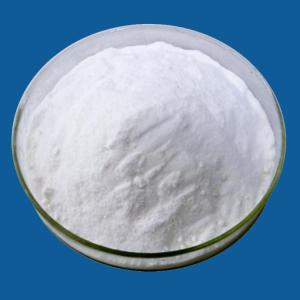
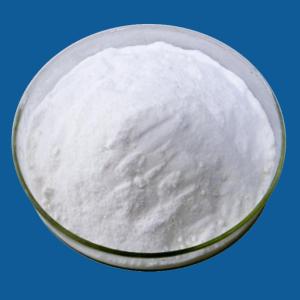
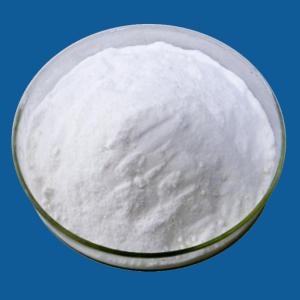
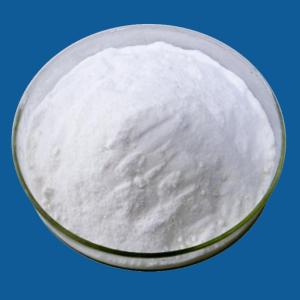
L-Cystine dihydrochloride
Chemical Structure
- L‑cystine is formed by oxidative dimerization of two L‑cysteine molecules via a disulfide bond (‑S‑S‑).
- The dihydrochloride salt is formed by protonating the two amino groups with HCl, which dramatically improves water solubility.
Distinction from Related Compounds
- L‑Cystine dihydrochloride:Dimer, disulfide‑linked, high solubility, used for stable cysteine supply.
- L‑Cysteine hydrochloride:Monomer, reduced form, more reactive, used as a reducing agent.
L‑Cystine dihydrochloride is a stable, highly soluble form of L‑cystine that provides a reliable source of cysteine for biological systems. Its unique properties make it indispensable in cell culture, bioproduction, and research.
Другие товары поставщика
|
|
Glycyl-glycine |
Glycyl-glycine is a source of glycine for nutritional support Glycine is a conditionally essential amino acid involved in critical biological proce... |
|
|
Glycyl-glycine |
Glycyl-glycine is generally recognized as safe, with minimal side effects at typical supplemental doses. Its applications are most prominent in fo... |
|
|
DL-tryptophan |
Transportation Points Temperature Control During transportation, avoid extreme temperature fluctuations. Use insulated packaging or refrigerated tr... |
|
|
Orotic acid monohydrate |
Orotic acid monohydrate is a compound that’s essentially orotic acid (a naturally occurring substance) combined with a water molecule in its ... |
|
|
L-Cysteine S-Sulfate Na |
Carboxylate Group (-COO^-) Reactivity of L-Cysteine S-Sulfate Na The carboxylate group is in a deprotonated state in neutral and alkaline solutions... |
Все товары поставщика
Похожие товары