L-Cysteine S-Sulfate Na
Carboxylate Group (-COO^-) Reactivity of L-Cysteine S-Sulfate Na The carboxylate group is in a deprotonated state in neutral and alkaline solutions, and its reactivity is relatively weak, but it can still participate in salt formation and esterification reactions under specific conditions.Salt exchange reaction: In aqueous solutions, it can react with divalent metal ions (e.g.,Ca^2+,Mg^2+) to form insoluble metal salts, which can be used for the separation and purification of the compound.Esterification reaction: In strongly acidic conditions (e.g., concentrated sulfuric acid as a catalyst), it reacts with alcohols (e.g., methanol, ethanol) to form corresponding esters. For example, reacting with methanol produces methyl L-cysteine S-sulfate, which has good solubility in organic solvents and can be used as an intermediate in organic synthesis.
Другие товары поставщика
|
|
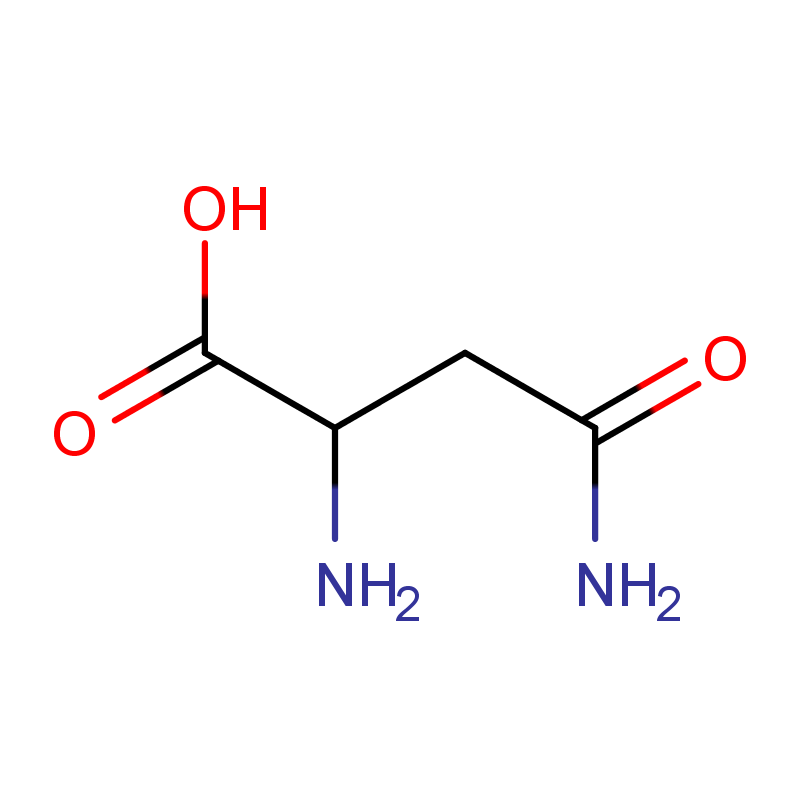
L-Aspartic acid monosodium salt monohydrate |
L-Aspartic acid monosodium salt monohydrate (chemical formula: C₄H₆NNaO₄·H₂O), commonly designated as food additive E631 in the European Uni... |
|
|
L-Cysteine S-Sulfate Na |
Hydrolysis Properties of L-Cysteine S-Sulfate NaThe functional groups in L-cysteine S-sulfate sodium salt are prone to hydrolysis under acidic or a... |
|
|
L-Alanyl-L-Tyrosine |
L-Alanyl-L-Tyrosine is soluble in water, dilute acids and dilute alkali solutions. The following are its specific dissolution situations in some co... |
|
|
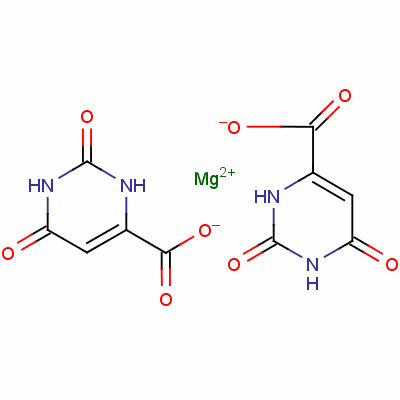
Magnesium Orotate |
Magnesium orotate is a compound made up of magnesium and orotic acid. It’s a type of magnesium supplement where magnesium is bound to orotic ... |
|
|
Market quotation |
Glycyl-glycine’s buffering capacity (effective at pH 7.5–8.5) makes it valuable in stabilizing nutritional supplements: It helps mainta... |
Все товары поставщика
Похожие товары