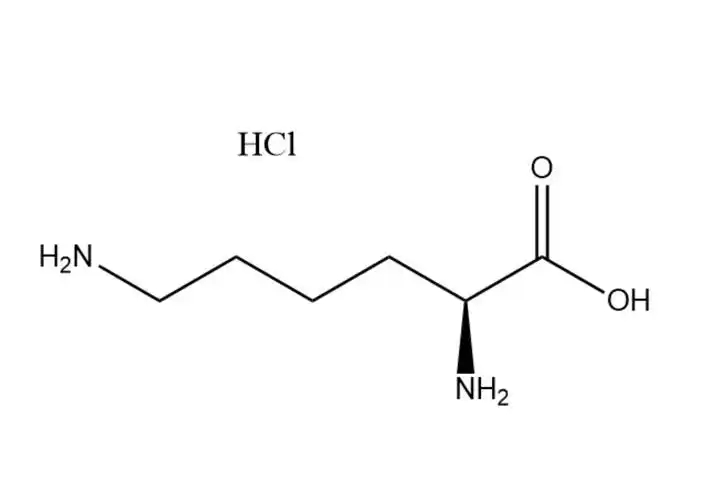
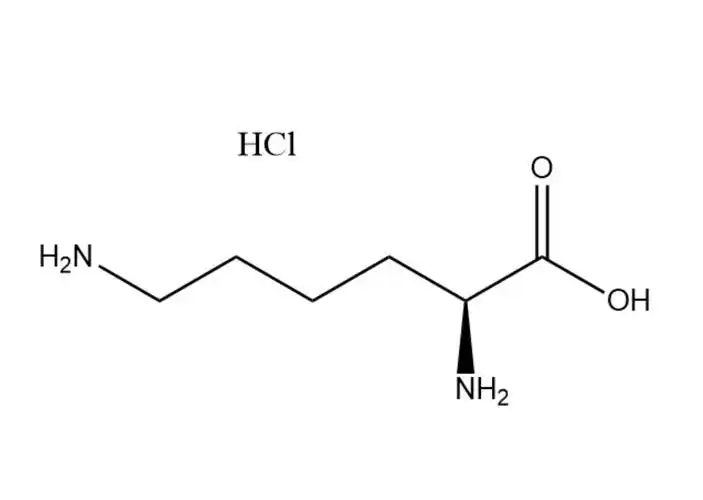
L-Glutamine

Some key points about L-Glutamine:
Biological Role: L-Glutamine is one of the 20 standard amino acids encoded by the genetic code and is classified as a non-essential amino acid because it can be synthesized by the human body. However, it becomes a conditionally essential amino acid under certain stress conditions such as illness, poor nutrition, or intense exercise.
Functions in the Body:
Muscle Growth: L-Glutamine provides the necessary nitrogen source for the body, promoting protein synthesis within muscle cells. It also has a cell volume-enhancing effect, stimulating the secretion of growth hormone, insulin, and testosterone, which contributes to muscle growth and differentiation.
Energy Metabolism and Antioxidation: L-Glutamine participates in energy metabolism and has antioxidant properties. It helps remove oxygen radicals, thereby enhancing immune function and protecting cells from oxidative damage.
Gastrointestinal Protection: L-Glutamine is a vital energy source for gastrointestinal luminal cells and plays a crucial role in maintaining the structure and function of the intestinal barrier. It promotes the synthesis of gastrointestinal mucosa and helps prevent mucosal atrophy.
Brain Function: L-Glutamine can cross the blood-brain barrier to promote brain metabolism and improve brain function.
Medical and Nutritional Uses:
Gastrointestinal Disorders: L-Glutamine is used to treat gastric and duodenal ulcers, gastritis, and excessive stomach acid. It is also effective in preventing intestinal mucosal atrophy and maintaining normal intestinal structure and function.
Neurological Conditions: It can improve brain function in children with intellectual developmental disabilities, individuals with mental disorders, alcoholics, and epilepsy patients.
Sports Nutrition: L-Glutamine is an important nutritional supplement for bodybuilders and fitness enthusiasts. It helps prevent muscle protein breakdown, increase cell volume, promote muscle growth, and accelerate muscle soreness recovery.
Safety and Side Effects: Generally, L-Glutamine is considered safe for most people. However, excessive intake by patients with chronic renal failure may cause renal damage. Common side effects may include constipation, diarrhea, vomiting, and occasional gastric discomfort. It should be used with caution in patients with severe renal or hepatic insufficiency.
In summary, L-Glutamine is a versatile amino acid with multiple benefits for the body. Its roles in muscle growth, energy metabolism, gastrointestinal protection, and brain function make it a valuable supplement in medical and nutritional fields. However, as with any supplement, it should be used with caution and under the guidance of a healthcare professional.
Другие товары поставщика
Все товары поставщика
Похожие товары