L-Tryrosine
L-Tryrosine is a non-essential amino acid that plays important roles in the human body. Here is a detailed introduction:
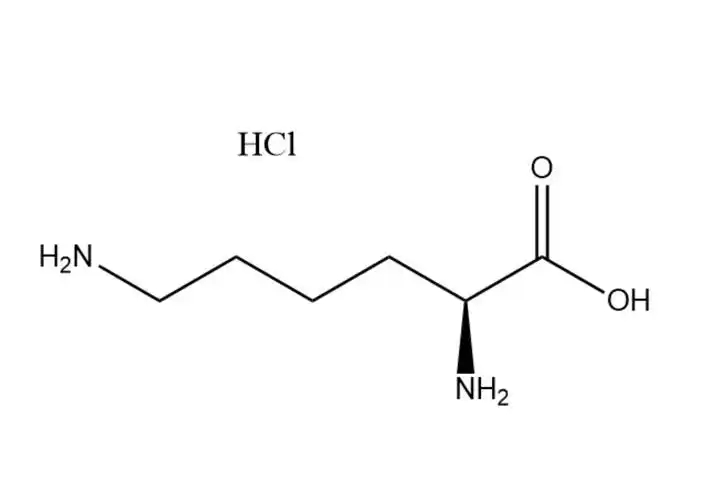
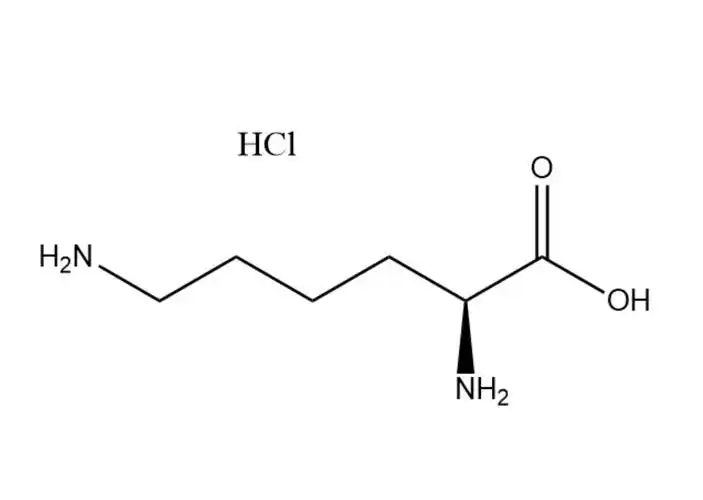
- Chemical Structure: It is an aromatic amino acid with a chemical formula of C₉H₁₁NO₃ and a molecular weight of about 181.19 g/mol. It has a phenolic hydroxyl group on its side chain, which gives it some special chemical and physical properties.
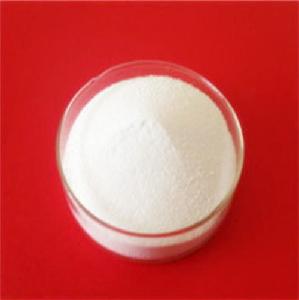
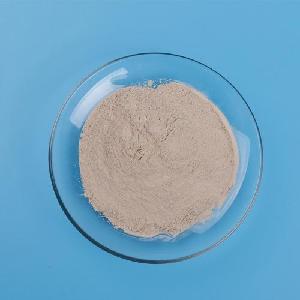
- Physical Properties: It usually exists as a white to off-white crystalline powder. It is sparingly soluble in water and has a slightly bitter taste.
- Protein Synthesis: Like other amino acids, L-Tryrosine is a building block for proteins. It is incorporated into polypeptide chains during protein biosynthesis, contributing to the structure and function of various proteins in the body.
- Neurotransmitter Synthesis: It is a precursor for the synthesis of several important neurotransmitters. L-Tryrosine can be converted into L-DOPA (levodopa) by the enzyme tyrosine hydroxylase, and then L-DOPA is further converted into dopamine, norepinephrine, and epinephrine. These neurotransmitters play crucial roles in regulating mood, attention, memory, and the body's stress response.
- Hormone Production: It is involved in the production of thyroid hormones. Thyroid hormones play a vital role in regulating metabolism, growth, and development in the body. In the thyroid gland, tyrosine residues in thyroglobulin are iodinated and then combined to form thyroid hormones such as thyroxine (T4) and triiodothyronine (T3).
- Melanin Synthesis: L-Tryrosine is a key substrate in the synthesis of melanin, the pigment responsible for the color of skin, hair, and eyes. Tyrosinase, an enzyme, catalyzes the conversion of L-tyrosine to dopaquinone, which is an important step in the melanin biosynthesis pathway.
- Medical Field:
- Treatment of Neurological Disorders: Since L-Tryrosine is involved in neurotransmitter synthesis, it may be used in the treatment of some neurological disorders. For example, it may be used as an adjunct therapy in Parkinson's disease, which is related to dopamine deficiency.
- Stress and Depression: Some studies suggest that L-Tryrosine may help improve mood and reduce stress and anxiety. It may be used in the treatment of mild to moderate depression and stress-related disorders.
- Health Supplements: It is widely used in dietary supplements. Athletes and bodybuilders often take L-Tryrosine supplements to enhance mental focus and reduce fatigue during intense training. People under high stress or with poor sleep may also take it to improve mental state and overall well-being.
- Food Industry: It is used as a food additive to improve the nutritional value of food. It can be added to protein powders, energy bars, and other fortified foods to increase their amino acid content.
Overall, L-Tryrosine is a significant amino acid with diverse functions and applications. However, as with any supplement or medication, it should be used under appropriate guidance to ensure safety and effectiveness.
Другие товары поставщика
|
|
L-Methionine |
Industrial Production Sources of L-Methionine(For Additives & Fortification) To meet the high demand for L-methionine in food, feed, and pharma... |
|
|
L-tryptophan |
L-tryptophan’s stability is influenced by food processing conditions, requiring careful handling: Sensitivity to heat and light: High-tempera... |
|
|
Sucralose Purchase price |
Sucralose, as a high-sweetness, calorie-free, and highly stable artificial sweetener, enjoys wide application in various fields such as food, bever... |
|
|
Transport method of Inositol |
Transport Method of Inositol 1. Basic transport properties Inositol is a stable, non-toxic, non-flammable and non-explosive white crystalline powde... |
|
|
DL-methionine |
The carboxyl group in DL-methionine can undergo esterification, amidation, and decarboxylation reactions under specific conditions.Esterification r... |
Все товары поставщика
Похожие товары