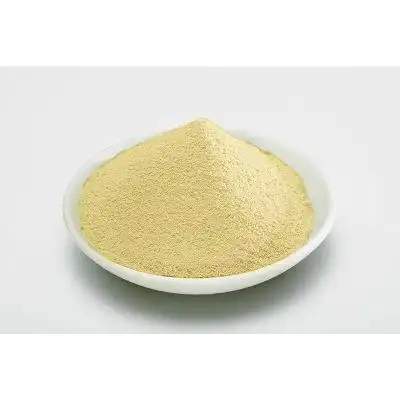
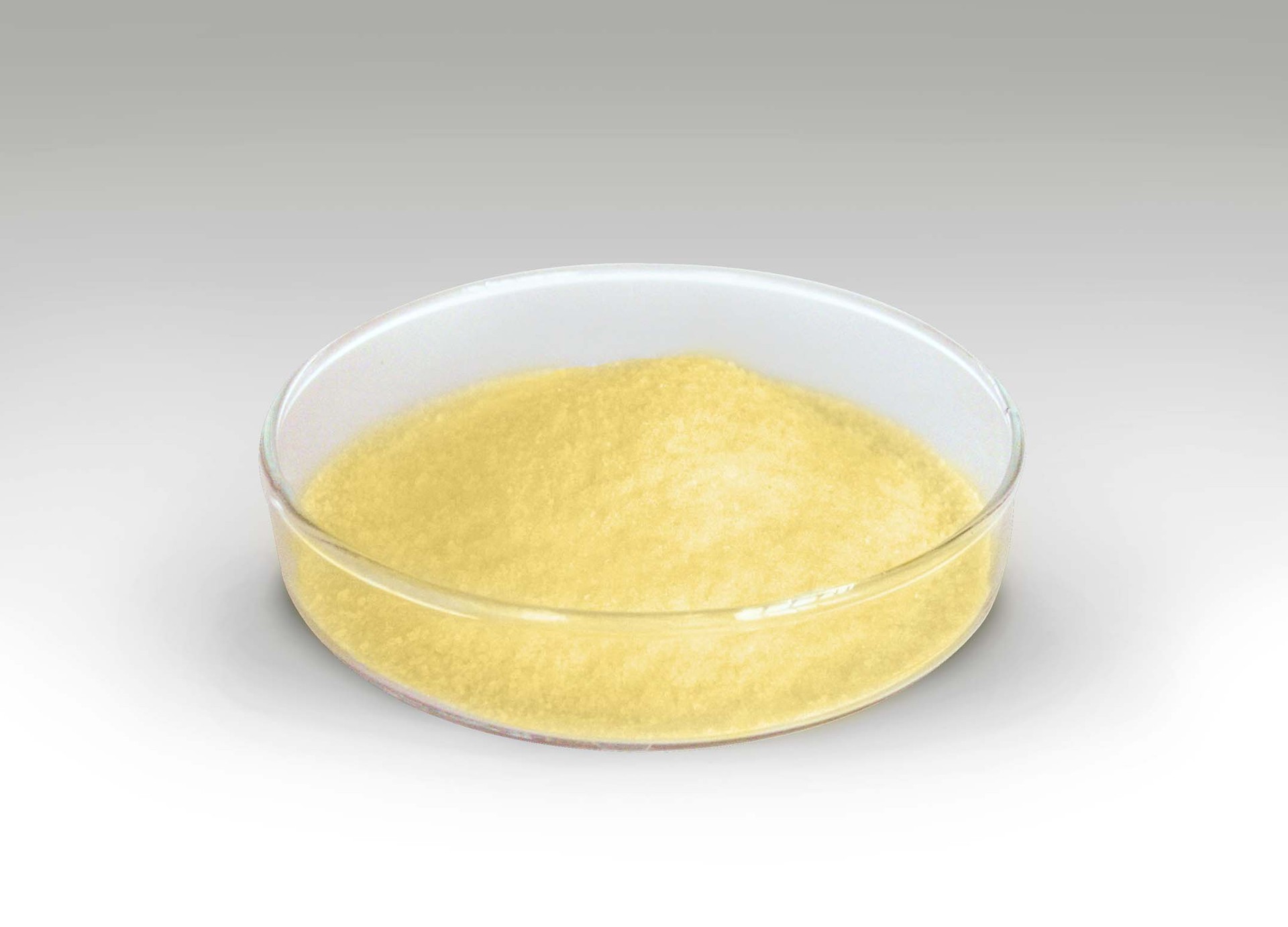
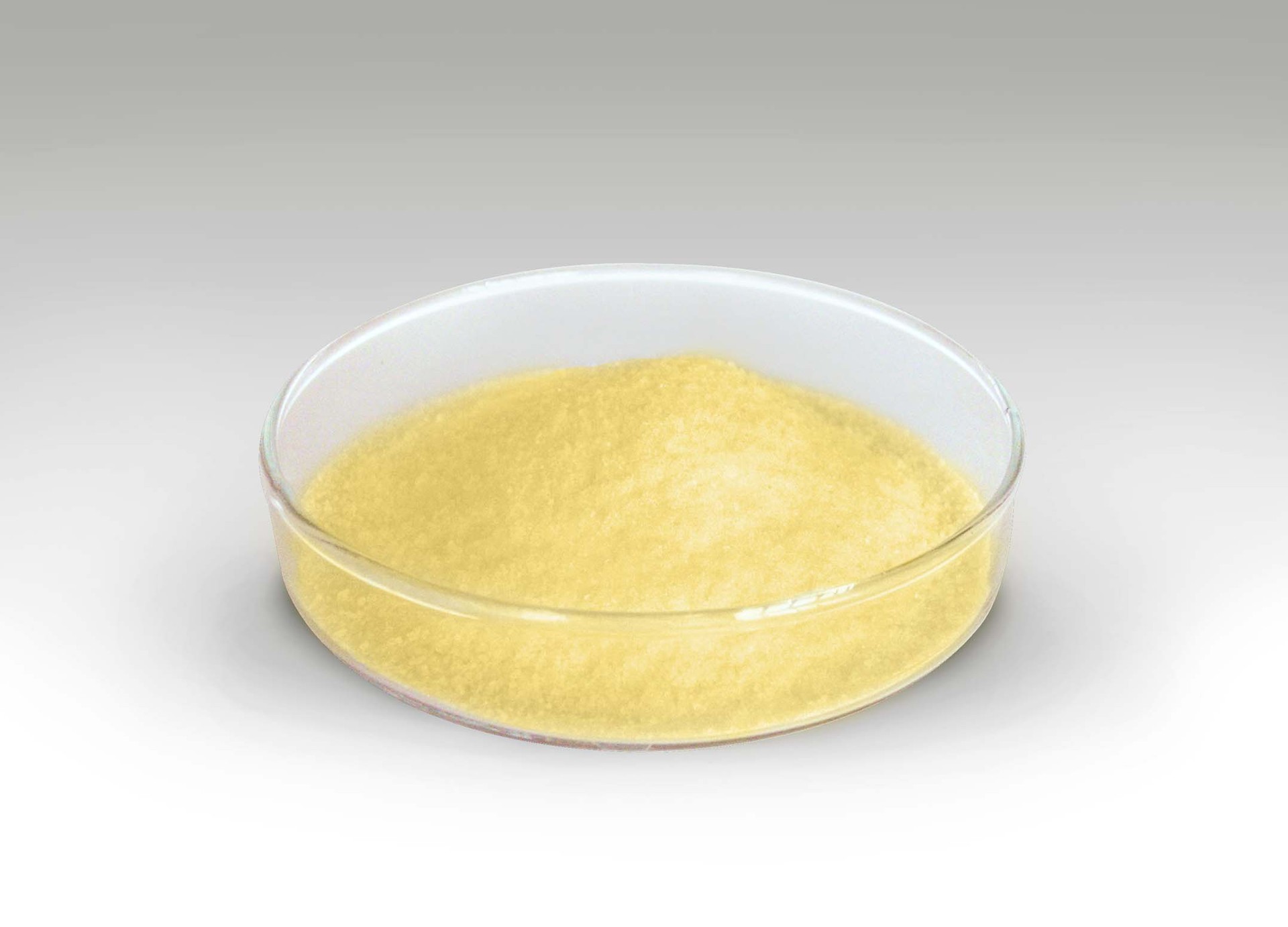
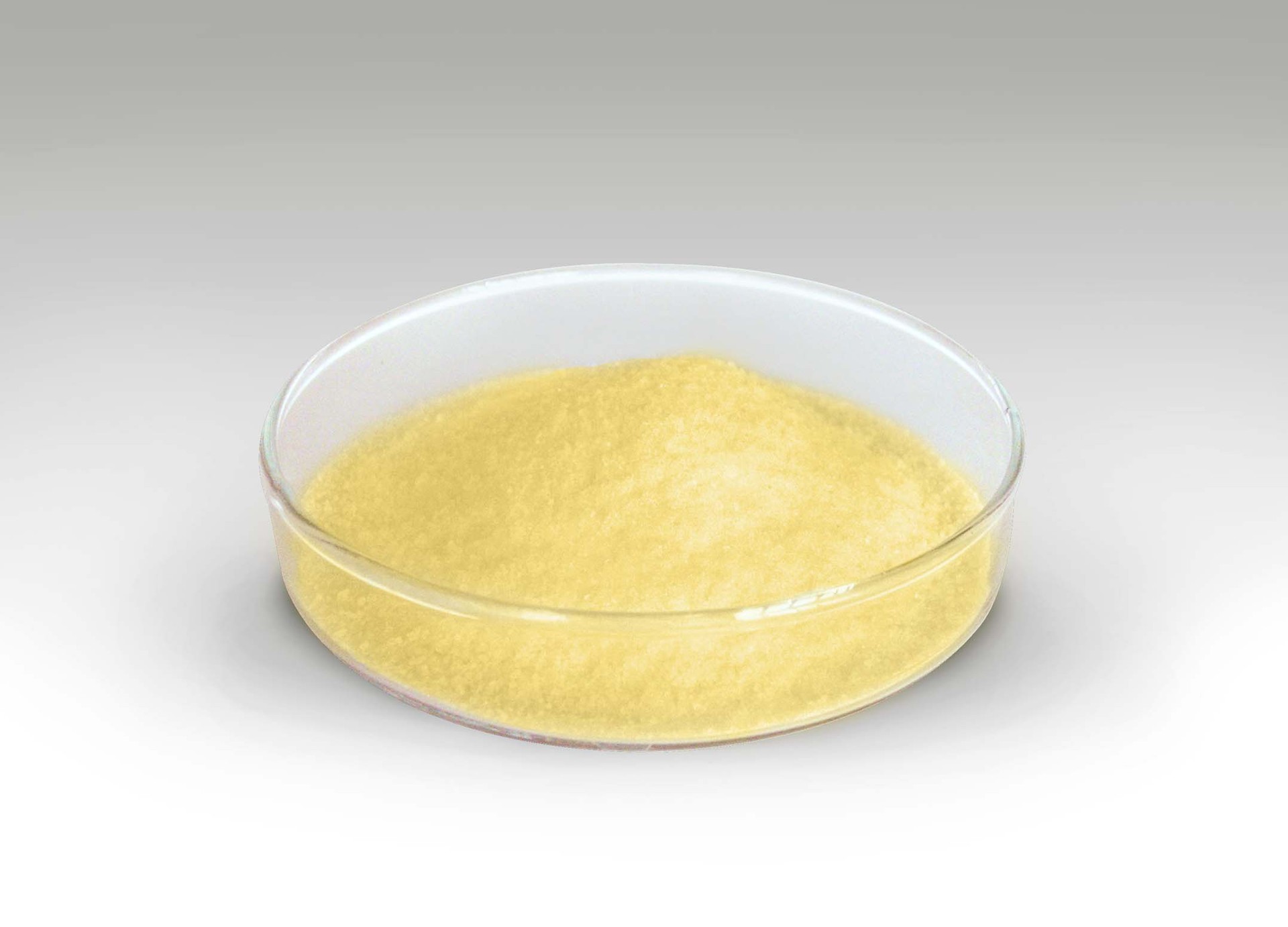
Phospholipid P
Source Verification: Ensure phospholipid powder is derived from safe, approved sources (e.g., soybeans, sunflower seeds, eggs) to avoid allergens or contamination.
For example, soy-derived phospholipids may trigger allergies in sensitive individuals, requiring clear labeling.
Purity and Purity Testing: Confirm that the product meets food-grade standards (e.g., free from heavy metals, pesticides, or solvent residues). Check for certifications like GRAS (Generally Recognized As Safe) or HALAL/KOSHER if applicable.
Oxidation Stability: Phospholipids are prone to oxidation, so verify that the powder includes antioxidants (e.g., vitamin E) or is packaged to prevent exposure to air and light.
Другие товары поставщика
|
|
Phospholipids |
The main classification of phospholipidsPhospholipids can be classified into two major categories based on their different skeletons:Glycerophospho... |
|
|
Chocolate and confectionery |
Chocolate and confectionery (candy, chocolate bars) require precise control of viscosity during processing and resistance to surface "fat bloom" (w... |
|
|
Phospholipids Raw Material |
Bakery products (bread, cakes, pastries) often face issues like poor dough elasticity, uneven texture, and rapid staling. Phospholipids solve these... |
|
|
Phospholipid powder |
The structure of phospholipids is not arbitrary—it is a blueprint for their functions. Every feature serves a purpose:
Amphiphilic designen... |
|
|
Phospholipids |
Phospholipids are a type of lipid containing phosphate groups and are the main components of biological membranes, playing a crucial role in the st... |
Все товары поставщика
Похожие товары