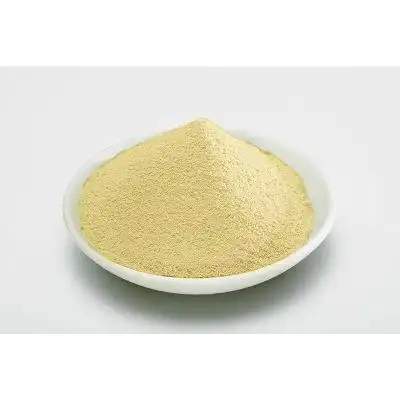
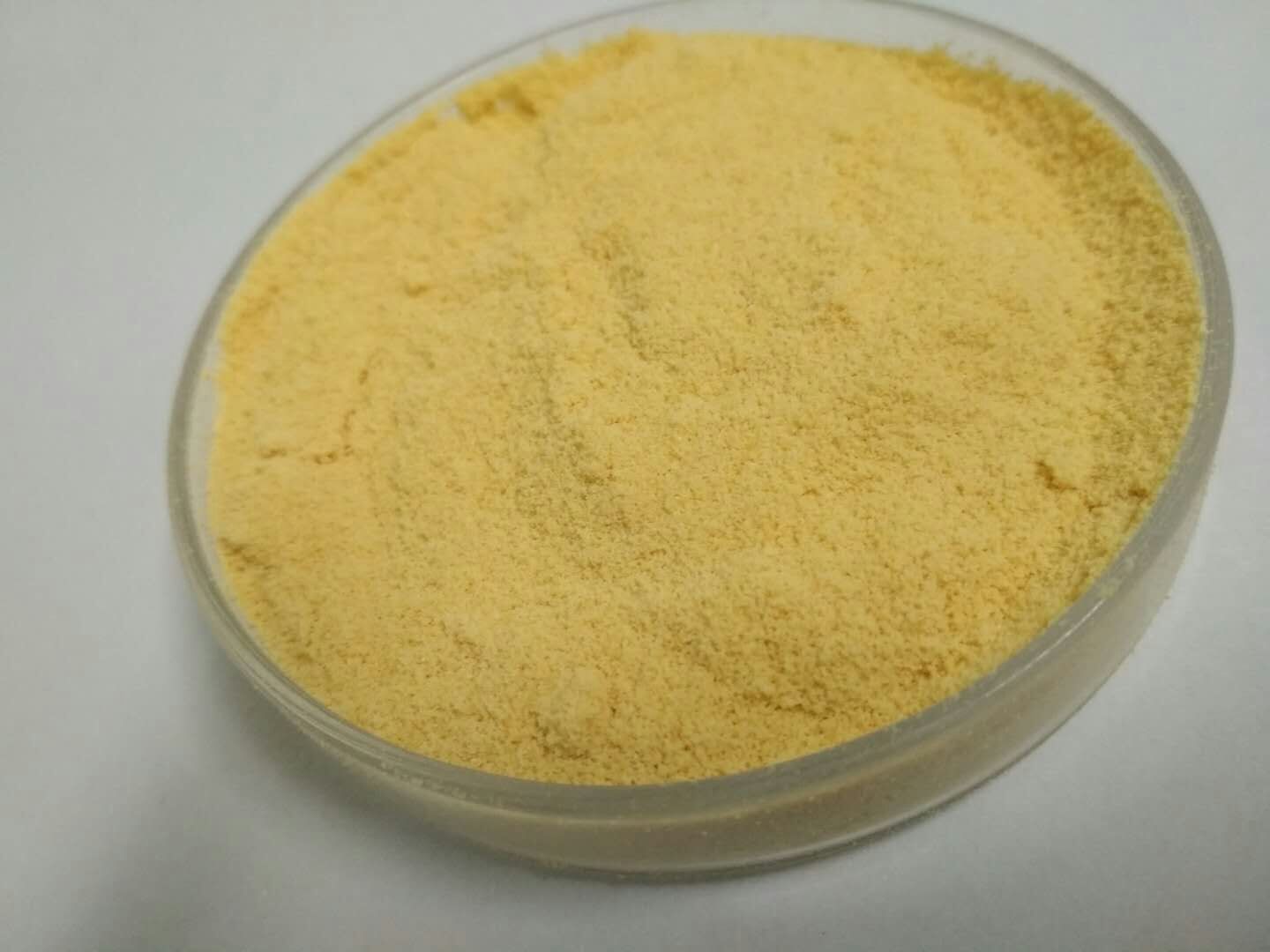
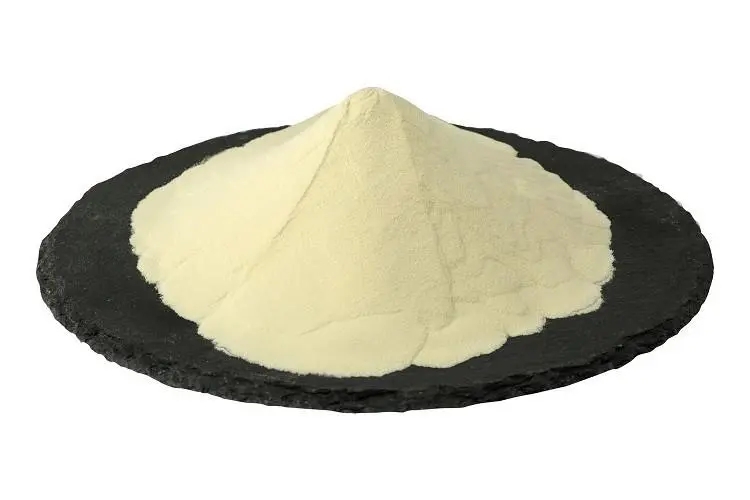
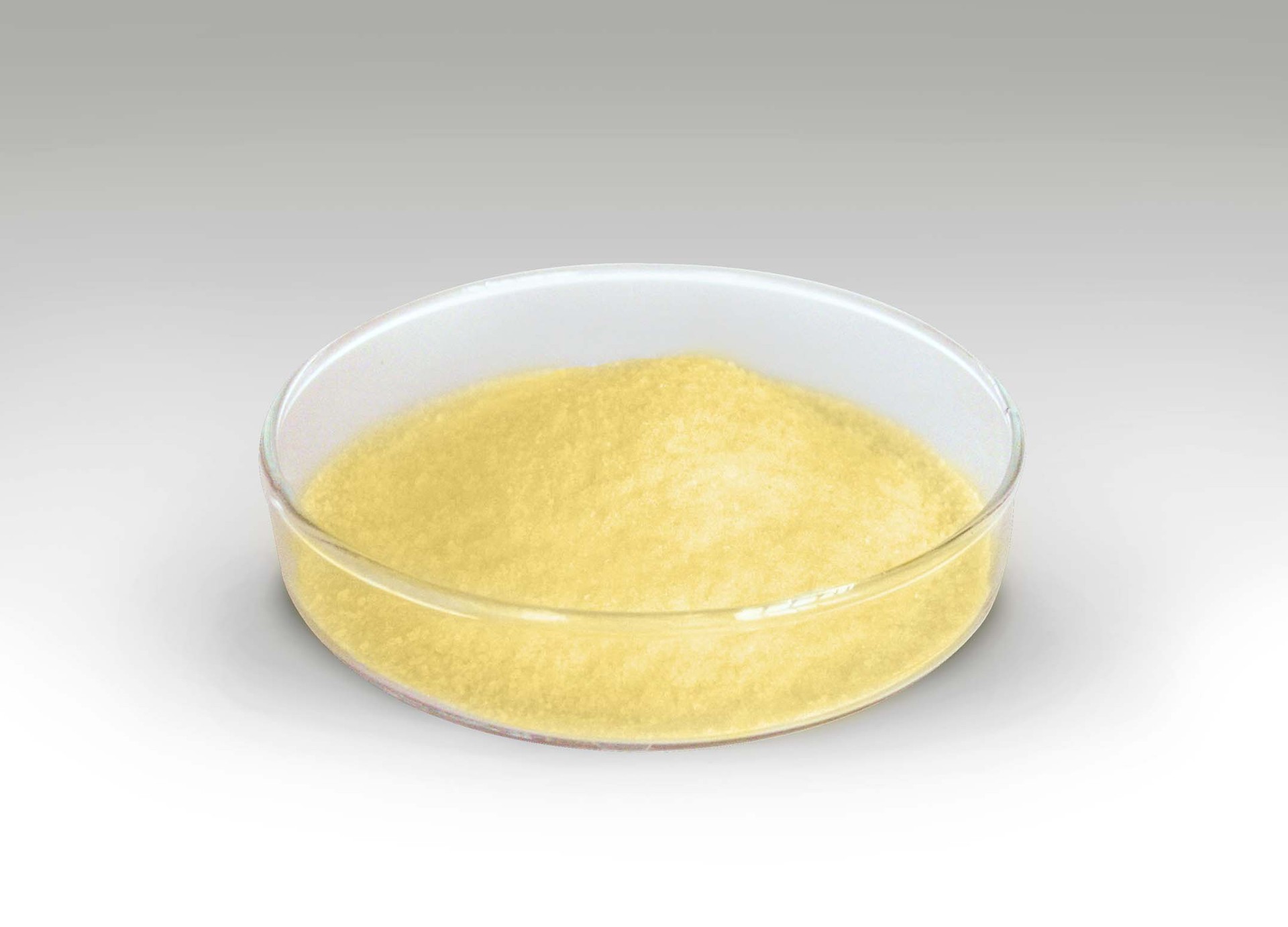
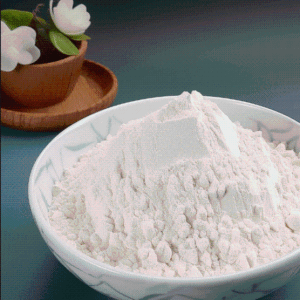
Phospholipid P
Source Verification: Ensure phospholipid powder is derived from safe, approved sources (e.g., soybeans, sunflower seeds, eggs) to avoid allergens or contamination.
For example, soy-derived phospholipids may trigger allergies in sensitive individuals, requiring clear labeling.
Purity and Purity Testing: Confirm that the product meets food-grade standards (e.g., free from heavy metals, pesticides, or solvent residues). Check for certifications like GRAS (Generally Recognized As Safe) or HALAL/KOSHER if applicable.
Oxidation Stability: Phospholipids are prone to oxidation, so verify that the powder includes antioxidants (e.g., vitamin E) or is packaged to prevent exposure to air and light.
Other supplier products
|
|
High-quality Phospholipid Price |
Phospholipids need to be stored in a sealed environment to prevent oxidation caused by exposure to oxygen in the air, which can lead to a series of... |
|
|
Phosphatidylserine |
Phosphatidylserine is a phospholipid that is present in high concentrations in the brain and is important for maintaining healthy cognitive functio... |
|
|
Phospholipids Supplier |
The physical properties of phospholipidsSolubility: Phospholipids have a hydrophilic head and a hydrophobic tail. This amphiphilic structure determ... |
|
|
supplements |
Phosphatidylserine improves psychological performance by balancing stress responses and neurotransmitter levels, with advantages over traditional a... |
|
|
Phospholipids as |
Phospholipids are not just additives—they are also essential nutrients (rich in choline, linoleic acid, and phosphatidylserine). This makes t... |
供应产品
Same products