

CapitalBio® Microarray Hybridization Station

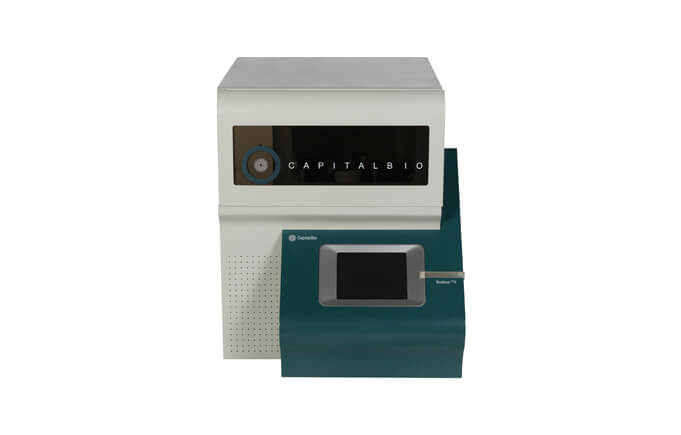
The CapitalBio® BioMixerTMII is a microarray hybridization stationthat uses continuous 3-D motion to help the aqueous hybridization mixture spread evenly across the microarraysurface in a temperature-controlled environment. This uniformly exposes each sample spot to the reaction reagent solution, resulting in increased reaction signal intensity and signal consistency. It is simple to use, with up to 6 or 12 microarray slides hybridized simultaneously. The microarray platform comes with three interchangeable adapters for hybridization, washing, and mixing biochemical reagents in tubes.
Features of CapitalBio® Microarray Hybridization Station
When combined with CapitalBio's specially designed hybridization cassettes, uniform temperature and humidity are achieved.
Unique 3-D motion guarantees the hybridization signal is homogenous over the whole microarray surface.
Eliminates edge effects. Enhanced results evidenced in recent independent reports on microarray quality and performance, such as Patterson, T., et al., (2006) Nature Biotechnology 24: 1140-1150 and Shi, L., et al., (2006) Nature Biotechnology, 24: 1151-1161.
LCD control panel.
Suitable for microarray hybridizations and immunoreactions on 25 mm × 75 mm slides or in tubes using different adaptors.
What Is The Difference Between Microarray Hybridization And Northern Hybridization?
Northern hybridization, also known as Northern blotting, is a technique used to detect specific RNA molecules within a mixture. In this process, a single DNA molecule is labeled and hybridized with an unlabeled mixture of RNAs. This allows for the detection and quantification of specific RNA molecules, making it a targeted approach.
Microarray hybridization is a high-throughput method that allows for the simultaneous analysis of thousands of genes. In this technique, a mixture of target RNA, which can consist of many species of molecules, is labeled. This labeled mixture is then hybridized into a solid surface containing thousands of immobilized probes, each corresponding to a specific gene. This allows for the simultaneous detection and quantification of many different RNA molecules, providing a comprehensive analysis of gene expression.
The main difference between the two techniques lies in their scale and specificity. While Northern hybridization focuses on a single RNA molecule, microarray hybridization allows for a broader, more comprehensive analysis. Both techniques have their advantages and are used in different contexts depending on the research needs.
What Is The Principle Of Microarray Hybridization DNA Chip Technology?
Microarray hybridization is a technique based on the principle of complementary base pairing. In this process, DNA strands from a sample are labeled and applied to a DNA microarray, where they seek out and bind to their complementary sequences. These sequences are immobilized onto specific spots on the microarray. The binding process, known as hybridization, is facilitated by the microarray hybridization station, which maintains optimal conditions for hybridization to occur.
The use of a microarray hybridization station ensures a high degree of accuracy and efficiency in the hybridization process. This, in turn, allows for the simultaneous analysis of thousands of genes, providing comprehensive insights into gene expression and genetic variation. CapitalBio Technology utilizes this technology to deliver precise and reliable genomic analyses.
How Is Hybridization Used In Microarray?
Microarray hybridization is a process where two samples of cDNA, labeled with different fluorescent dyes, are allowed to bind to a microarray slide.
The microarray slide contains a grid of DNA probes, each representing a different gene.
The hybridization reactionoccurs when these cDNA molecules bind or ‘hybridize’ to the complementary DNA probes on the slide. This binding is highly specific.
After the hybridization process, the microarray slide is placed in a microarray hybridization station provided by CapitalBio Technology. This device maintains the optimal conditions for hybridization, ensuring that the process is efficient and accurate.
The microarray hybridization station is crucial in controlling the environment during the hybridization process, which can significantly impact the results.
The microarray is then scanned to measure the fluorescence of each spot on the slide. The intensity of the fluorescence indicates the expression level of each gene.
By comparing the fluorescence of the two different dyes, researchers can determine changes in gene expression between the two samples.
CapitalBio Technology’s microarray hybridization station is a key tool in this process, providing reliable and efficient solutions for researchers worldwide.
Send product request
Other supplier products
 |
Karyotype Analysis | The morphological structure and number of chromosomes of the cells to be tested are analyzed to determine whether their karyotype is consistent wit... |
![Genetic Testing for BRCA1/2 Targeted-drug Guidance [ Germline + Somatic]](/images/products/products_918645_3ed639acb6109822155d13588d134efd.jpeg) |
Genetic Testing for BRCA1/2 Targeted-drug Guidance [ Germline + Somatic] | This germline testingdetects somatic and germline SNV, InDel and CNV mutations in the BRCA1 and BRCA2 genes, covering the entire coding region of t... |
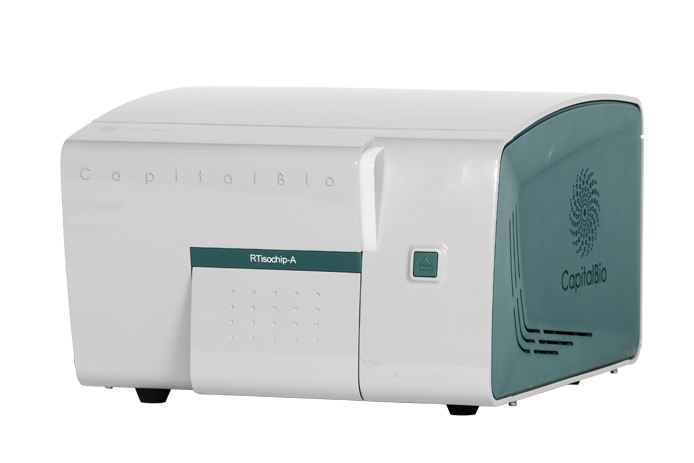 |
CapitalBio® Isothermal Nucleic Acid Amplification Microfluidic Chip Analyzer RTisochip™-A | CapitalBio® Isothermal Nucleic Acid Amplification Microfluidic Chip Analyzer RTisochip™-A and the supporting dish chip are a new platform... |
 |
CNV-seq Detection (Semiconductor Sequencing) | The detection kit, which is based on the BES 4000 platform, is used to perform low-depth whole-genome sequencing of DNA. The sequencing results are... |
 |
Individualized Medication Guidance for Cancer (800 Genes) | This test detects 800 genes related to targeted therapy, chemotherapy and endocrine drug, hereditary tumor, immunotherapy-related information (MSI ... |
Same products
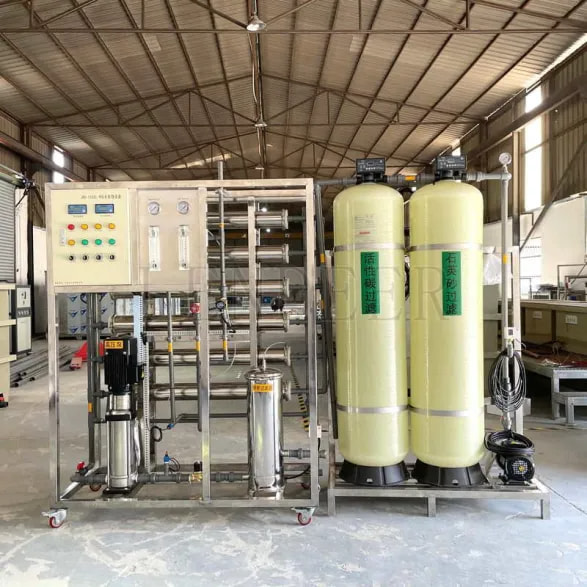 |
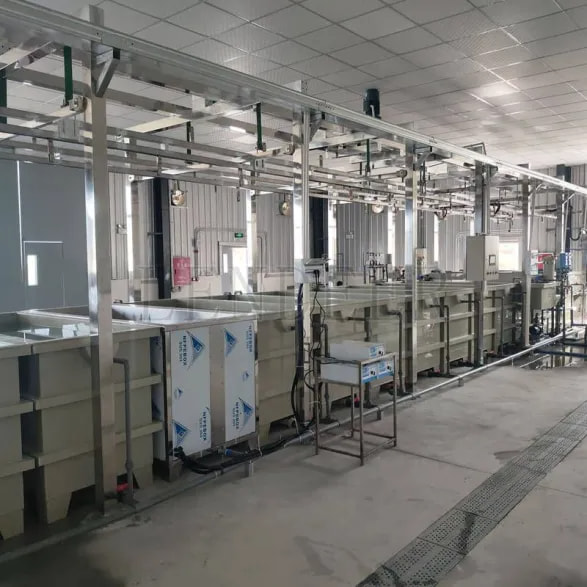
Water Purification Equipment | Seller: Dongguan Lede New Material Technology Co., Ltd | Water Purification Equipment Pure water (deionized water)is required at three critical points in... |
 |
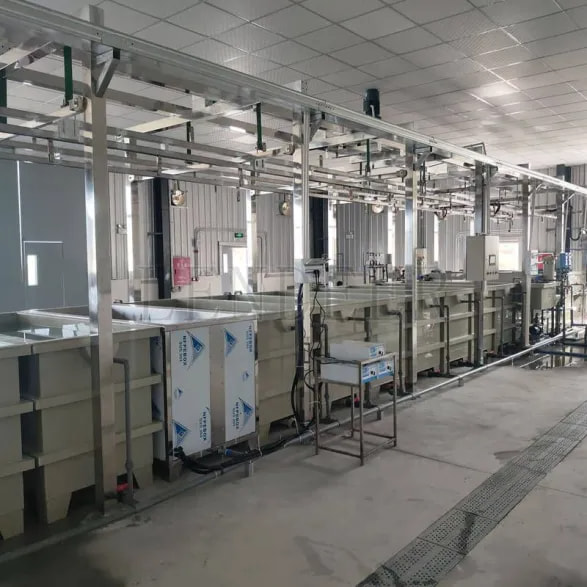
Fully Automatic Vertical Lifting Electrophoretic Coating Line | Seller: Dongguan Lede New Material Technology Co., Ltd | Fully Automatic Vertical Lifting Electrophoretic Coating Line LENDEER'sfullyautomatic vertical l... |
 |
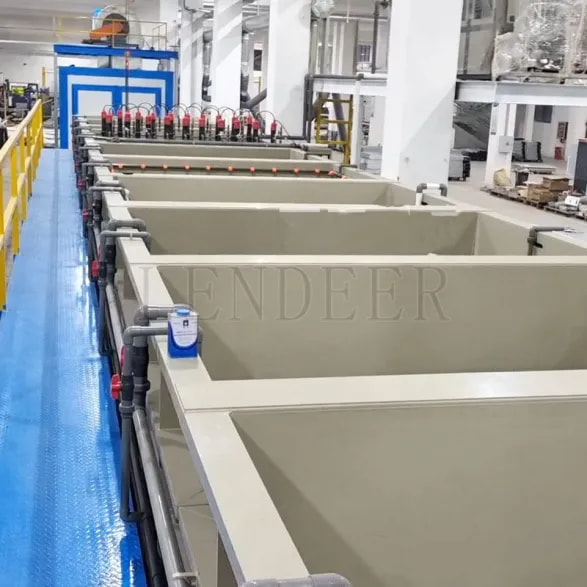
Semi-Automatic Lifting Immersion Electrophoretic Coating Production Line | Seller: Dongguan Lede New Material Technology Co., Ltd | Semi-Automatic Lifting Immersion Electrophoretic Coating Production Line LENDEER'ssemi-automatic... |
 |
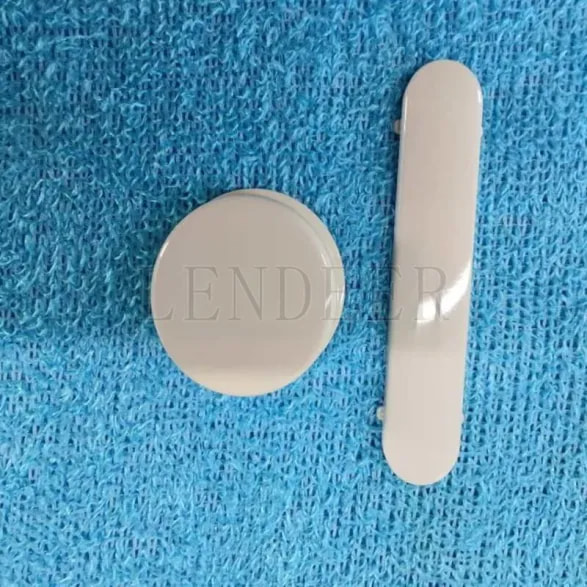
Semi-automatic hoist electrophoretic coating line | Seller: Dongguan Lede New Material Technology Co., Ltd | Semi-automatic hoist electrophoretic coating line A defining engineering feature of this line is... |
 |
Cathodic White ED Paint | Seller: Dongguan Lede New Material Technology Co., Ltd | Cathodic White ED Paint 140°C Low-Temperature Cathodic White ED Paint LENDEERcathodic white... |

