Drilling Fluid Additives

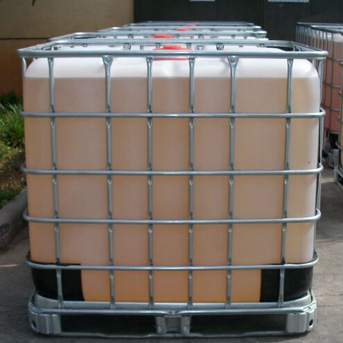
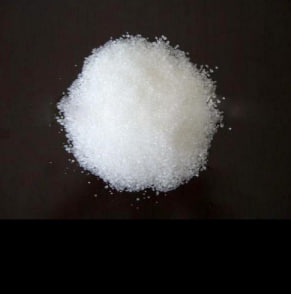
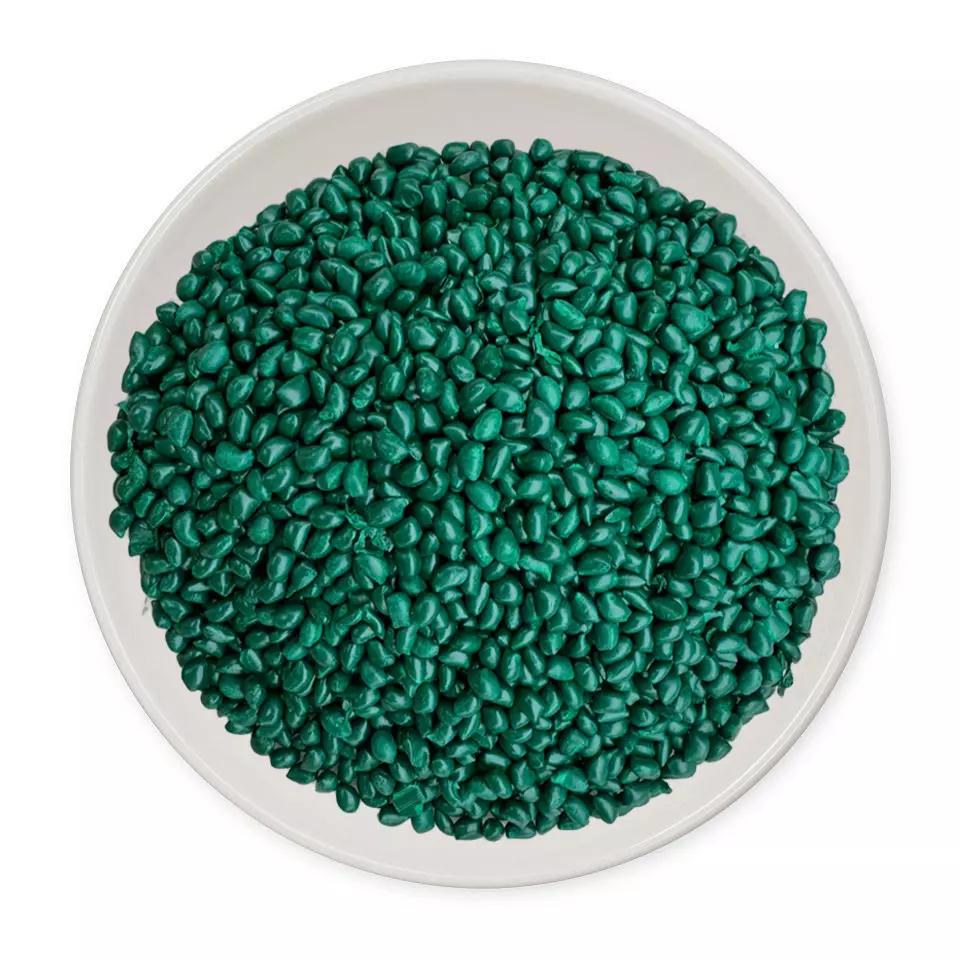
SINOFLOC water-based drilling fluids additives are specially developed to meet customer’s critical needs of maximum performance and compatibility. Our range of polymers is produced in a variety of molecular weights and contents for specific drilling needs.
The major areas of application of SINOFLOC viscosifier drilling fluid additives are:
Shale Stabilizer
Viscosifiers
Drilling Fluid Loss Control
Scale inhibitors
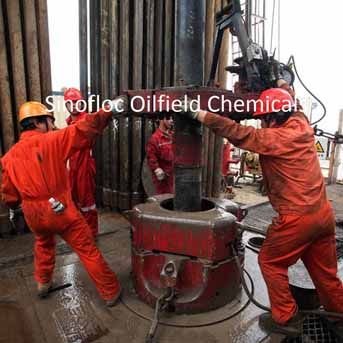
We are known for high-quality and good performance of drilling mud, which help a lot throughout the drilling process. SINOFLOC specialty drilling chemical will enable oilfield service companies more competitive both economically and environmentally.
Please contact with SINOFLOC experts to select the most suitable drilling fluids additives (viscosifier, shale stabilizer, fluid loss control additives) for your specific needs.
If you want to buy any shale control agent in china, please contact us.
Now the price of oilfield chemicals is affordable, anything you need, please leave us a message.
Other supplier products
|
|
Superabsorbent |
SINOFLOC superabsorbent polymers (known as SAP) are water-insoluble polymer, cross-linked copolymer of acrylic acid. It is in the form of white, od... |
|
|
Friction Reducer |
SINOFLOC is committed to being customer's most reliable supplier who could provide an extensive range of oilfield chemicalsand services, with high-... |
|
|
Coagulants |
SINOFLOCoffers an extensive range of organic coagulantssuch as polyamine, polyDADMAC and decoloring agent. Our products, being the cationic coagula... |
|
|
Polydadmac |
SINOFLOCpolyDADMAC is liquid, cationic coagulants with different solid contents and viscosities and suitable a wide range of PH. Our products could... |
|
|
Oilfield Chemicals |
SINOFLOC supplies our customers a wide range of product portfolio in the oilfield industry. In addition to our standard , we are also supplying cus... |
All supplier products
Same products