

Standard Gases

WA:+86 132 6275 2056
WEB: std-coatings.com
Introduction
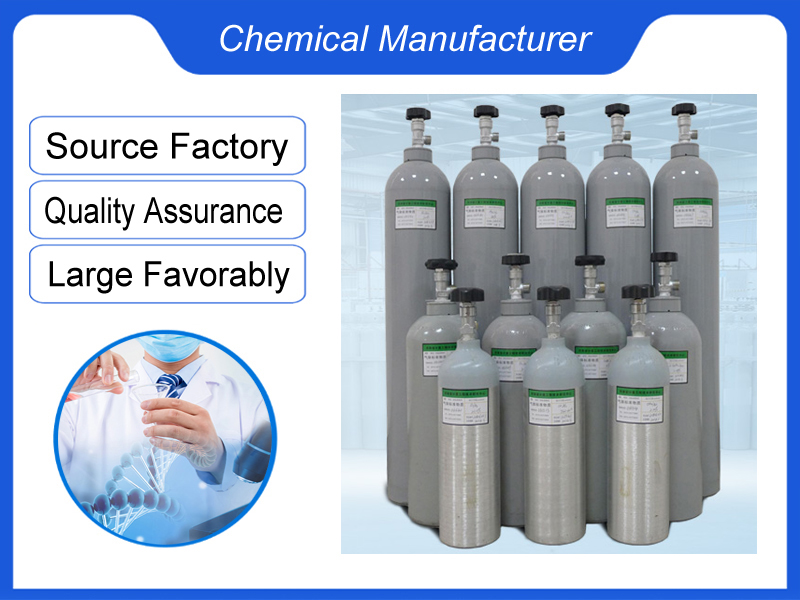
Standard gases are precisely formulated gas mixtures used as reference materials in various analytical and industrial processes. They are essential for calibrating instruments, validating analytical methods, and ensuring the accuracy and reliability of measurements. Standard gases are typically composed of a known concentration of one or more components in a background gas, such as nitrogen or air.
Applications of Standard Gases
- Analytical Instrument Calibration
Standard gases are crucial for calibrating analytical instruments such as gas chromatographs, mass spectrometers, and infrared spectrophotometers. These instruments rely on standard gases to ensure accurate and reproducible measurements.
- Environmental Monitoring
Standard gases are used to calibrate air quality monitoring equipment. They help in the accurate measurement of pollutants like sulfur dioxide (SO₂), nitrogen oxides (NOₓ), and volatile organic compounds (VOCs), ensuring reliable data for environmental compliance.
- Industrial Processes
In industrial settings, standard gases are used to monitor and control process conditions. They help in the calibration of sensors and analyzers used in chemical processing, petrochemical plants, and other manufacturing environments.
- Medical and Healthcare
Standard gases are used in medical applications to calibrate equipment such as anesthesia machines and respiratory monitors. They ensure the accurate delivery of gases like oxygen, nitrous oxide, and carbon dioxide, which are critical for patient safety.
- Research and Development
In laboratories, standard gases are used to validate analytical methods and ensure the accuracy of experimental results. They are essential for developing new materials, processes, and technologies.
- Importance of Standard Gases
Standard gases play a vital role in ensuring the accuracy and reliability of measurements across various fields. They provide a consistent and traceable reference for calibrating instruments and validating analytical methods. The use of standard gases helps in maintaining quality control, ensuring compliance with regulatory standards, and enhancing the overall accuracy of analytical processes.
Safety Considerations
- Handling and Storage
Standard gases must be handled and stored with care to ensure safety. High-pressure cylinders should be properly secured and stored in well-ventilated areas. Personal protective equipment (PPE) should be worn when handling these gases to prevent exposure and injury.
- Health Hazards
Exposure to high concentrations of standard gases can cause health issues, including asphyxiation, frostbite, and chemical burns. Proper ventilation and emergency procedures should be in place to handle leaks and spills.
- Regulatory Compliance
The use and handling of standard gases are regulated by various safety standards and guidelines. Compliance with these regulations is essential to ensure the safe use and transportation of these gases.
Conclusion
Standard gases are essential tools in modern analytical and industrial processes. They provide a reliable and consistent reference for calibrating instruments and validating analytical methods, ensuring accurate and reliable measurements. With proper handling and safety measures, standard gases continue to play a crucial role in maintaining quality control and enhancing the accuracy of various applications.
Send product request
Other supplier products
 |
Powder Coating for Electrostatic Spray Application on Cold Surfaces MT R4-ES HJ601R | WA:+86 132 6275 2056 WEB: std-coatings.com Product Description MT R4-ES HJ601R is a high quality thermosetting epoxy powder coating for the co... |
 |
Polyester based powder coating MT-JA000G White | WA:+86 132 6275 2056 WEB: std-coatings.com Product Description MT-JA000G is a polyester based powder coating, formulated using TGIC and is des... |
 |
Flat high gloss MT-049/78592 | Getaquote whats/app:+86 132 6275 2056 WEB: std-coatings.com Introduction No. MT-049/78592 Color Light grey Surface Flat high gloss System... |
 |
Medical & Healthcare Powder Coatings factory | Getaquote whats/app:+86 132 6275 2056 WEB: std-coatings.com Introduction We are a Chinese factory with over 20 years of export experience, supp... |
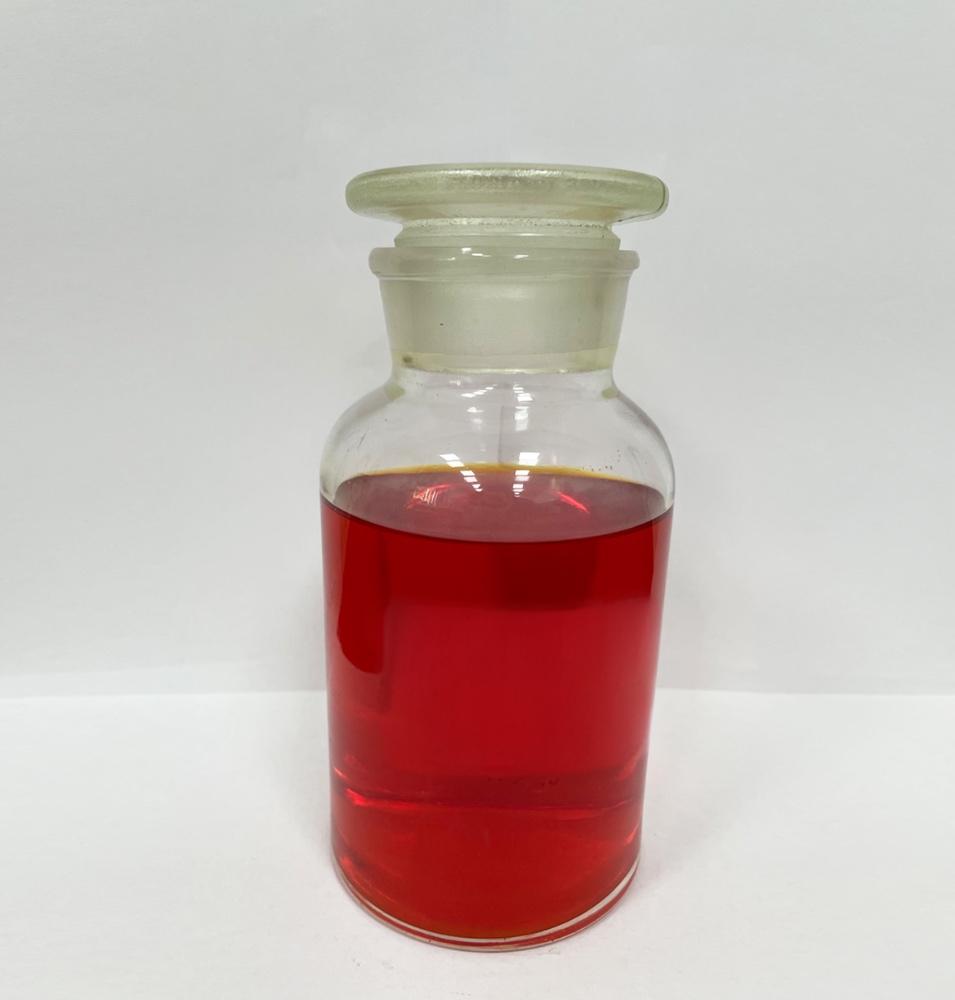 |
Compressor inhibitor STD-7 | Compressor inhibitor STD-7 is a highly effective inhibitor with antioxidant effect. It can reduce, prevent and remove the free radicals and polymer... |
Same products
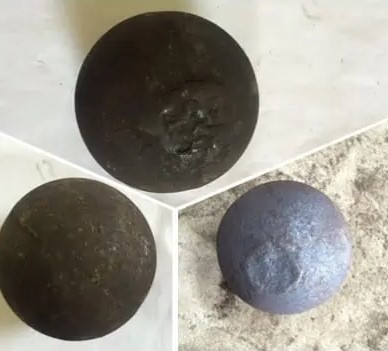 |
Casting Grinding Balls | Seller: 869376 | Casting Grinding Balls , so called as Casting Grinding media balls,casting grinding steel ba... |
 |
Key Quality Factors in Food Contact Paper Production | Seller: Zhejiang Guanghe New Materials Co., Ltd. | Guanghe supplies food-grade parchment paper for commercial bakeries, food processors, restaurants... |
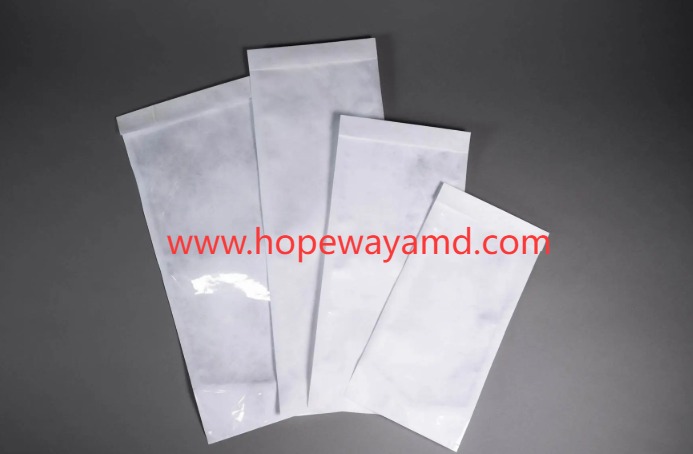 |
Heat Sealing Sterilization Pouch | Seller: Hopeway AMD | Heat Sealing Sterilization Pouch is designed for secure medical instrument packaging, supporting ... |
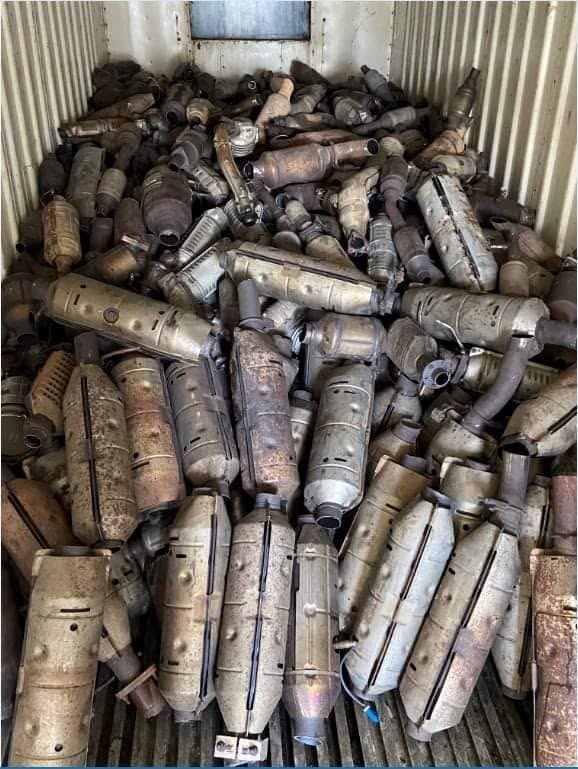 |
Catalytic Converter Scrap Supplier, Catalytic Converter Scrap for Sale, , Catalytic Converter Scrap, Catalytic Scrap for Sale, Catalytic Scrap Supplier, Scrap Catalytic Supplier | Seller: Trucont LLC | At Trucont LLC, we have ongoing Catalytic converter scrap available for immediate loading and shi... |
 |
Epimedium Extract | Seller: Xi'an Yuensun Biological Technology Co., Ltd. | Product Name: Epimedium ExtractLatin Name: Epimedium Sagittatum Maxim.Specification: Icariin 5%, ... |

