

Antibacterial Powder Coating

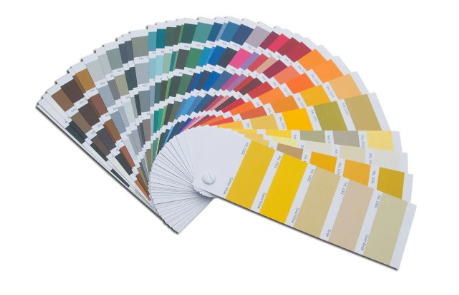
Product Overview
Antibacterial Powder Coating is a functional coating system developed to provide durable surface protection together with long-term antimicrobial performance. Based on selected resin systems such as epoxy, polyester, or hybrid formulations, this coating incorporates antibacterial additives that help inhibit the growth of common surface bacteria under controlled conditions.
When you apply Antibacterial Powder Coating, you obtain not only corrosion resistance and mechanical durability, but also an added hygienic benefit for frequently touched or high-contact metal components. It is suitable for indoor and selected outdoor applications depending on the resin system chosen.
Application
You can use Antibacterial Powder Coating across multiple industries where hygiene and surface durability are important, including:
-
Public building hardware such as handrails, door handles, and window frames
-
Appliance panels and internal frames for refrigerators and washing machines
-
Electrical enclosures and control panels
-
Hospital furniture and medical equipment housings
-
Metal furniture for offices and schools
-
Automotive interior metal components
-
Industrial equipment covers and operator interfaces
Typical coated test samples include steel panels, aluminum profiles, appliance housings, tubular handrail sections, and fabricated metal enclosures prepared with proper surface pretreatment.
Performance verification of antibacterial activity can be evaluated according to ISO 22196 for antibacterial activity on plastics and other non-porous surfaces. Mechanical and corrosion properties are tested according to ISO standards such as ISO 2409 for adhesion and ISO 9227 for salt spray resistance.
Parameters
| Item | Specification |
|---|---|
| Resin Type | Epoxy, polyester, or hybrid (depending on application) |
| Finish | Smooth, matte, or textured |
| Gloss Level | Adjustable |
| Recommended Film Thickness | 60–100 μm |
| Adhesion | ISO 2409, Class 0 |
| Impact Resistance | ISO 6272, ≥ 50 kg·cm |
| Corrosion Resistance | ISO 9227, ≥ 500 hours (resin dependent) |
| Antibacterial Performance | Evaluated according to ISO 22196 |
| Curing Condition | 160–200°C metal temperature, depending on resin system |
| Application Method | Electrostatic spray |
| Substrate | Carbon steel, galvanized steel, aluminum |
Features
-
Integrated antibacterial technology to help inhibit surface bacterial growth
-
Durable thermoset film with strong adhesion to pretreated substrates
-
Reliable corrosion resistance for indoor and selected outdoor use
-
Smooth and easy-to-clean surface finish
-
Stable mechanical performance under routine handling
-
Compatible with automated OEM production lines
-
Available in various colors and surface effects
By selecting this coating system, you improve surface hygiene while maintaining structural protection and consistent decorative quality.
Case
In a public transportation project, Antibacterial Powder Coating was applied to metal handrails and interior support frames subjected to frequent human contact. The components were coated at approximately 80 μm over properly pretreated steel substrates.
Adhesion testing according to ISO 2409 and impact resistance testing according to ISO 6272 confirmed mechanical reliability. Antibacterial performance evaluation was conducted in accordance with ISO 22196. After extended service use, the coated surfaces maintained structural integrity and consistent appearance, supporting hygiene management objectives in high-traffic areas.
Types of powder coating
Powder coatings can be categorized by resin system (epoxy, polyester, hybrid, polyurethane), appearance (smooth, texture, hammer, metallic, pearlescent), or performance level (anti-corrosion, heat-resistant, UV-resistant, architectural grade, automotive grade).
Powder coating colours and effects
Powder coatings offer thousands of colors in gloss, matte, satin, metallic, candy, texture, wrinkle, hammer tone, wood grain, fluorescent, and other custom effects. Special powders can create soft-touch, anti-scratch, anti-fingerprint, or anti-graffiti surfaces.
Powder coating process
The process generally includes surface pretreatment (degreasing, phosphating, chromating, sandblasting), drying, electrostatic spraying, curing in an oven, and cooling. A well-controlled pretreatment and curing process ensures strong adhesion and long service life.
Send product request
Other supplier products
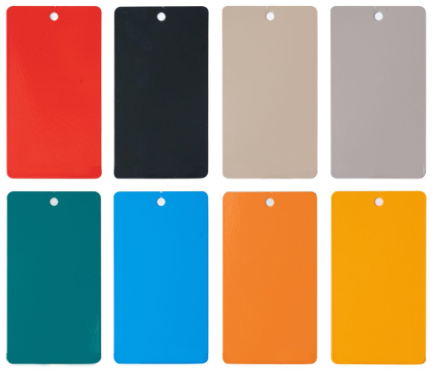 |
Polyester Resin Powder Coating | 1. Core Resin Chemistry & Performance Matrix Selecting the appropriate resin system is critical for balancing durability, aesthetics, and envi... |
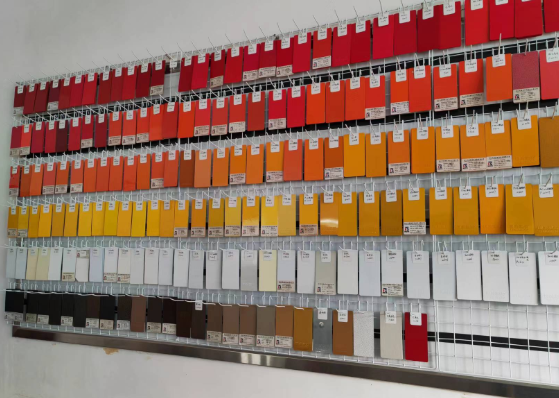 |
Anti-Graffiti Powder Coatings | Anti-Graffiti Coating: The solution to preventing graffiti is not cleaning up the vandalized space after the fact, but, instead, deploying and har... |
 |
Metallic flat matte MT-039/98981 | Introduction No. MT-039/98981 Color Metallic gray Surface Metallic flat matte System Weather-resistant polyester ... |
 |
Electrostatic Spray Polytetrafluoroethylene (PTFE) Powder Coating | Premium PTFE Powder Coating Solutions China-Based Manufacturing | Global Industrial Support We manufacture and export a comprehensive range of Po... |
 |
Fluorocarbon powder coating | Introduction Standard fluorocarbon powder coating is a 100% solid powder coating with fluorine-containing resin as the main film-forming material.... |
Same products
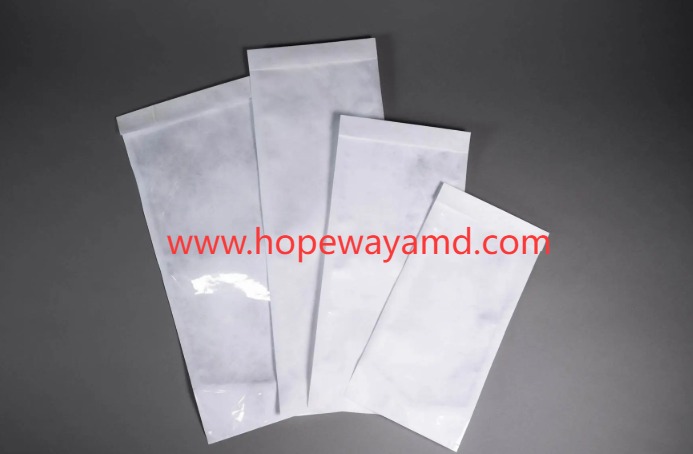 |
Heat Sealing Sterilization Pouch | Seller: Hopeway AMD | Heat Sealing Sterilization Pouch is designed for secure medical instrument packaging, supporting ... |
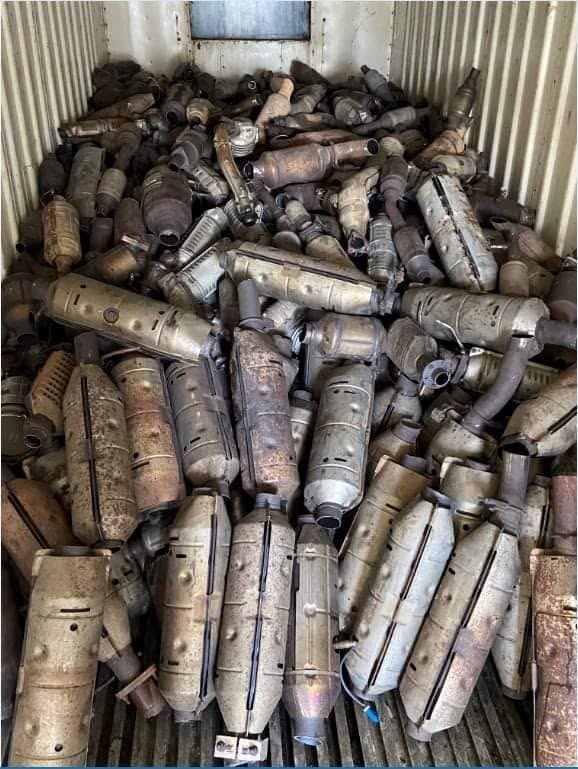 |
Catalytic Converter Scrap Supplier, Catalytic Converter Scrap for Sale, , Catalytic Converter Scrap, Catalytic Scrap for Sale, Catalytic Scrap Supplier, Scrap Catalytic Supplier | Seller: Trucont LLC | At Trucont LLC, we have ongoing Catalytic converter scrap available for immediate loading and shi... |
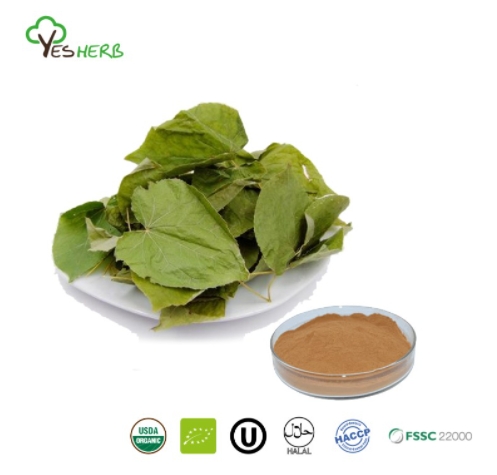 |
Epimedium Extract | Seller: Xi'an Yuensun Biological Technology Co., Ltd. | Product Name: Epimedium ExtractLatin Name: Epimedium Sagittatum Maxim.Specification: Icariin 5%, ... |
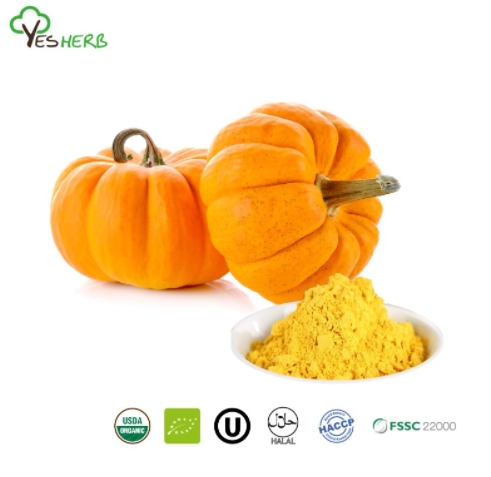 |
Pumpkin Powder | Seller: Xi'an Yuensun Biological Technology Co., Ltd. | Product Name: Pumpkin PowderLatin Name: Cucurbita pepo L.Used Part: FruitAppearance: yellow fine ... |
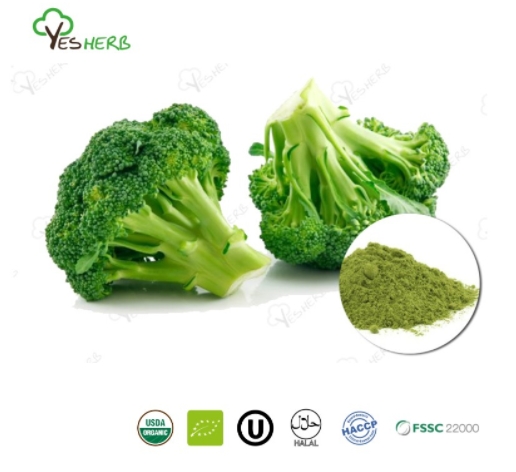 |
Broccoli Powder | Seller: Xi'an Yuensun Biological Technology Co., Ltd. | Product Name: Broccoli powder Latin Name: Brassica oleracea L.var.italic Planch. Used Part: Who... |

