The Quality Grade of Inositol

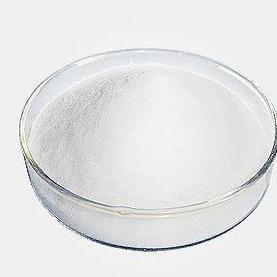
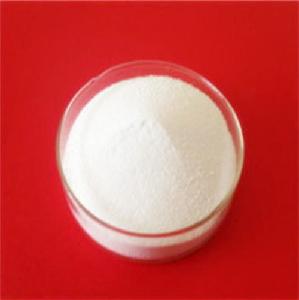
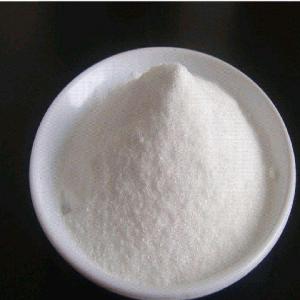
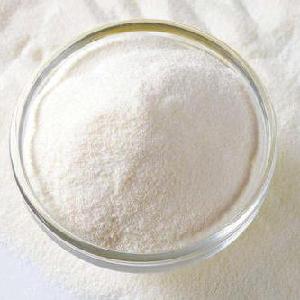
Inositol is classified into four mainstream quality grades according to purity, impurity control, production specifications and applicable fields, including pharmaceutical grade, food grade, feed grade and reagent industrial grade.
Pharmaceutical grade inositol has the highest quality standard and the strictest impurity control. Its main purity is above 99%, with extremely low contents of heavy metals, residual solvents and harmful impurities. It complies with international pharmacopoeia standards. This grade is applied to pharmaceutical raw materials, clinical adjuvant preparations, high‑end medical nutrition, cell culture and high‑purity biochemical research.
Food grade inositol features high comprehensive purity and safe food‑level indicators, meeting national food additive specifications. Heavy metals and microbial indicators are strictly controlled. It is widely used in infant formula, functional beverages, health supplements and daily nutritional fortification, with high safety for long‑term human intake.
Feed grade inositol is relatively cost‑effective with moderate purity and relaxed impurity limits compared with food grade. It is mainly developed for animal breeding, used as a conventional feed additive for livestock, poultry and aquatic products to prevent fatty liver, improve metabolism and enhance animal growth performance.
Industrial and reagent grade inositol is divided into analytical reagent grade and ordinary industrial grade. Analytical reagent grade has high purity for laboratory biochemical experiments and microbial culture. Ordinary industrial grade has lower purity, higher impurity content and looser detection standards, and is mostly used in daily chemical cosmetics, general fermentation industry and basic industrial raw material processing, and is prohibited for food and medical use.
Different grades of inositol are clearly distinguished in production control, inspection indicators and application scope, and cannot be mixed or substituted, so as to ensure safety and application effect in corresponding industries.
Other supplier products
All supplier products
Same products
|
|
Heat Sealing Sterilization Pouch |
Seller: Hopeway AMD |
Heat Sealing Sterilization Pouch is designed for secure medical instrument packaging, supporting ... |
|
|
Catalytic Converter Scrap Supplier, Catalytic Converter Scrap for Sale, , Catalytic Converter Scrap, Catalytic Scrap for Sale, Catalytic Scrap Supplier, Scrap Catalytic Supplier |
Seller: Trucont LLC |
At Trucont LLC, we have ongoing Catalytic converter scrap available for immediate loading and shi... |
|
|
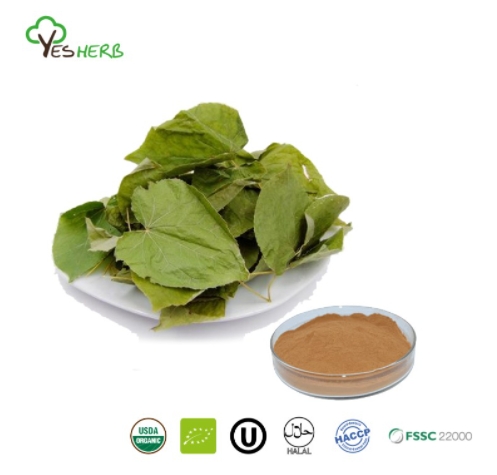
Epimedium Extract |
Seller: Xi'an Yuensun Biological Technology Co., Ltd. |
Product Name: Epimedium ExtractLatin Name: Epimedium Sagittatum Maxim.Specification: Icariin 5%, ... |
|
|
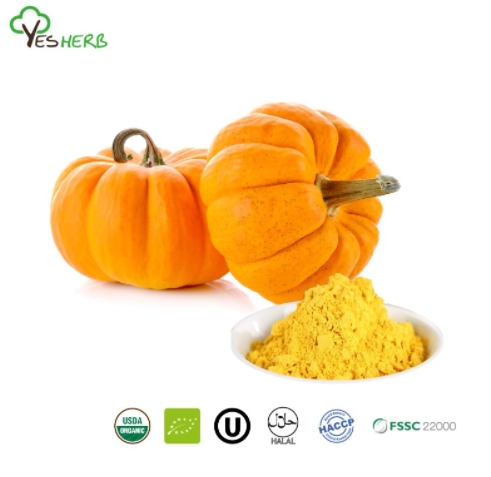
Pumpkin Powder |
Seller: Xi'an Yuensun Biological Technology Co., Ltd. |
Product Name: Pumpkin PowderLatin Name: Cucurbita pepo L.Used Part: FruitAppearance: yellow fine ... |
|
|
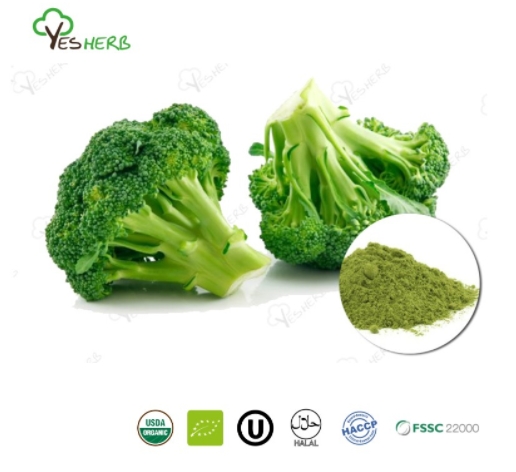
Broccoli Powder |
Seller: Xi'an Yuensun Biological Technology Co., Ltd. |
Product Name: Broccoli powder
Latin Name: Brassica oleracea L.var.italic Planch.
Used Part: Who... |