Chitosan

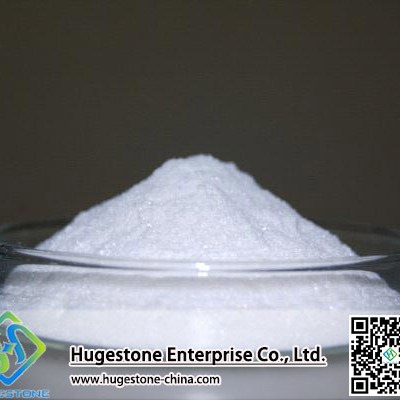
Chitosan Product Name:ChitosanPacking:25kgs/bagCAS NO:9012-76-4Molecular Formula: Molecular Structure: Physico-chemical properties:White PowderPicture: Chitosan is a linear polysaccharide composed of randomly distributed β-(1-4)-linked D-glucosamine (deacetylated unit) and N-acetyl-D-glucosamine (acetylated unit). It is made by treating shrimp and other crustacean shells with the alkali sodium hydroxide. Chitosan has a number of commercial and possible biomedical uses. It can be used in agriculture as a seed treatment and biopesticide, helping plants to fight off fungal infections. In winemaking it can be used as a fining agent, also helping to prevent spoilage. In industry, it can be used in a self-healing polyurethane paint coating. In medicine, it may be useful in bandages to reduce bleeding and as an antibacterial agent; it can also be used to help deliver drugs through the skin. More controversially, chitosan has been asserted to have use in limiting fat absorption, which would make it useful for dieting, but there is evidence against this. Other uses of chitosan that have been researched include use as a soluble dietary fiber. Usage Agricultural and horticultural use The agricultural and horticultural uses for chitosan, primarily for plant defense and yield increase, are based on how this glucosamine polymer influences the biochemistry and molecular biology of the plant cell. The cellular targets are the plasma membrane and nuclear chromatin. Subsequent changes occur in cell membranes, chromatin, DNA, calcium, MAP Kinase, oxidative burst, reactive oxygen species, callose pathogenesis-related (PR) genes and phytoalexins. Natural biocontrol and elicitor In agriculture, chitosan is used primarily as a natural seed treatment and plant growth enhancer, and as an ecologically friendly biopesticide substance that boosts the innate ability of plants to defend themselves against fungal infections. The natural biocontrol active ingredients, chitin/chitosan, are found in the shells of crustaceans, such as lobsters, crabs, and shrimp, and many other organisms, including insects and fungi. It is one of the most abundant biodegradable materials in the world.
Other supplier products
|
|
Green Tea Catechins |
Specificationsgreen tea catechins Steady quality control. Prompt delivery time.Green Tea CatechinsGreen Tea ExtractCAS NO: 989-51-5Specification: T... |
|
|
Magnolia Bark P.E. |
Product DescriptionProduct NameMagnolia Bark P.EBrand NameRongshengCAS #528-43-8Molecular FormulaC18H18O2Molecular StructureMolecular Weight266.3... |
|
|
Vitamin B2 |
Vitamin B2 (Riboflavin) BP2000/USP27 Product Name:Vitamin B2 (Riboflavin) BP2000/USP27Packing:25kgs/bagCAS NO:83-88-5Molecular Formula:C17h20n4o6M... |
|
|
Kojic Acid |
Kojic acid Product Name:Kojic acidPacking:25kgs/bagCAS NO:501-30-4Molecular Formula:C6H6O4Molecular Structure: Physico-chemical properties:White C... |
|
|
L-Threonine |
L-Threonine Product Name:L-ThreoninePacking:25kgs/bagCAS NO:72-19-5Molecular Formula:C4H9NO3Molecular Structure: Physico-chemical properties:White... |
All supplier products
Same products