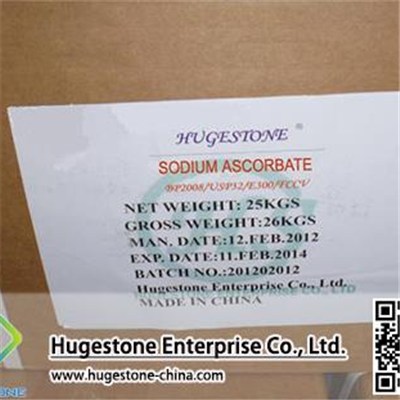
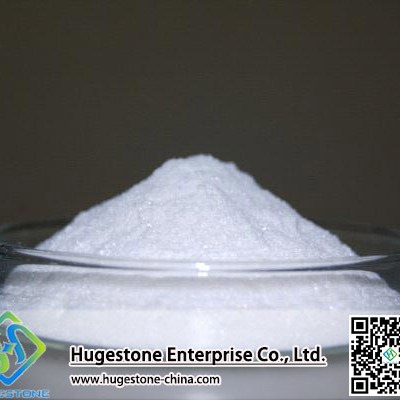
Sodium Ascorbate

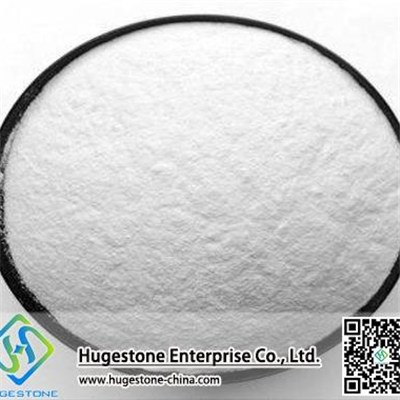
Sodium Ascorbate BP98/USP24 Product Name:Sodium Ascorbate BP98/USP24Packing:25kgs/bagCAS NO:50-81-7Molecular Formula:C6H8O6Molecular Structure: Physico-chemical properties:White PowderPicture: Specification 1. Introduction of Sodium ascorbate Sodium ascorbate is a more bioavailable[citation needed] form of vitamin C that is an alternative to taking ascorbic acid as a supplement. The IUPAC Name of it is Sodium (2R)-2-[(1S)-1,2-dihydroxyethyl]-4-hydroxy-5-oxo-2H-furan-3-olate 2. Properties of Sodium ascorbate H-Bond Donor: 3 H-Bond Acceptor: 6 Rotatable Bond Count: 2 Tautomer Count: 2 Exact Mass: 198.014033 MonoIsotopic Mass 198.014033 Topological Polar Surface Area: 110 Heavy Atom Count: 13 Complexity: 237 Solubility: H2O: 50 mg/mL Water Solubility: 620 g/L (20 °C) Melting Point: 220 °C (dec.)(lit.) alpha: 104 °(C=1, H2O 25 °C) Refractive index: 105.5 °(C=10, H2O) Flash Point: 238.2 °C Enthalpy of Vaporization: 95.78 kJ/mol Boiling Point: 552.7 °C at 760 mmHg Vapour Pressure of Sodium ascorbate: 1.62E-14 mmHg at 25 °C 3. Preparation of Sodium ascorbate Sodium ascorbate is produced by dissolving ascorbic acid in water and adding an equivalent amount of sodium bicarbonate. After cessation of effervescence, the sodium ascorbate is precipitated by the addition of isopropanol. 4. Use of Sodium ascorbate As a food additive, it has the E number E301 and is used as an antioxidant and an acidity regulator. Sodium ascorbate can reverse the development of atherosclerotic disease, helps in heart attack prevention. In addition sodium ascorbate plays a significant role in the elimination of chronic and acute infections. Moreover, it is considered to be an anti-cancer agent. Sodium ascorbate produces cytotoxic effect in an array of malignant cell lines, which include melanoma cells that are particularly susceptible. 5. Side-effects of sodium ascorbate The common side-effects that persist or become troublesome when using sodium ascorbate, especially in a liquid form as injections, include burning, stinging, pain, or swelling at the injection site. Severe allergic reactions include rash; itching; difficult breathing; hives; tightness in the chest; swelling of the mouth, face, lips, or tongue; bone pain; muscle weakness; severe or persistent diarrhea; mental or mood changes.
Other supplier products
|
|
Chitosan |
Chitosan Product Name:ChitosanPacking:25kgs/bagCAS NO:9012-76-4Molecular Formula: Molecular Structure: Physico-chemical properties:White PowderPic... |
|
|
Coenzyme Q10 |
Product Name:Clindamycin HCLPacking:25kgs/bagCAS NO:303-98-0Molecular Formula:C59h90o4Molecular Structure: Physico-chemical properties:Yellow Powd... |
|
|
Tartaric Acid |
Tartaric Acid Product Name:Tartaric AcidPacking:25kgs/bagCAS NO:87-69-4Molecular Formula:C4H6O6Molecular Structure:Physico-chemical properties:Whi... |
|
|
Hydrochlorothiazide |
CAS No.:58-93-5MF:C7H8ClN3O4S2Appearance:white PowderProduct DescriptionCAS NO.58-93-5Product NameHydrochlorothiazideSynonyms 3,4-Dihydrochlorothia... |
|
|
L-Tryptophan |
L-Tryptophan Product Name:L-TryptophanPacking:25kgs/bagCAS NO:73-22-3Molecular Formula:C11h12n2o2Molecular Structure: Physico-chemical properties:... |
All supplier products
Same products