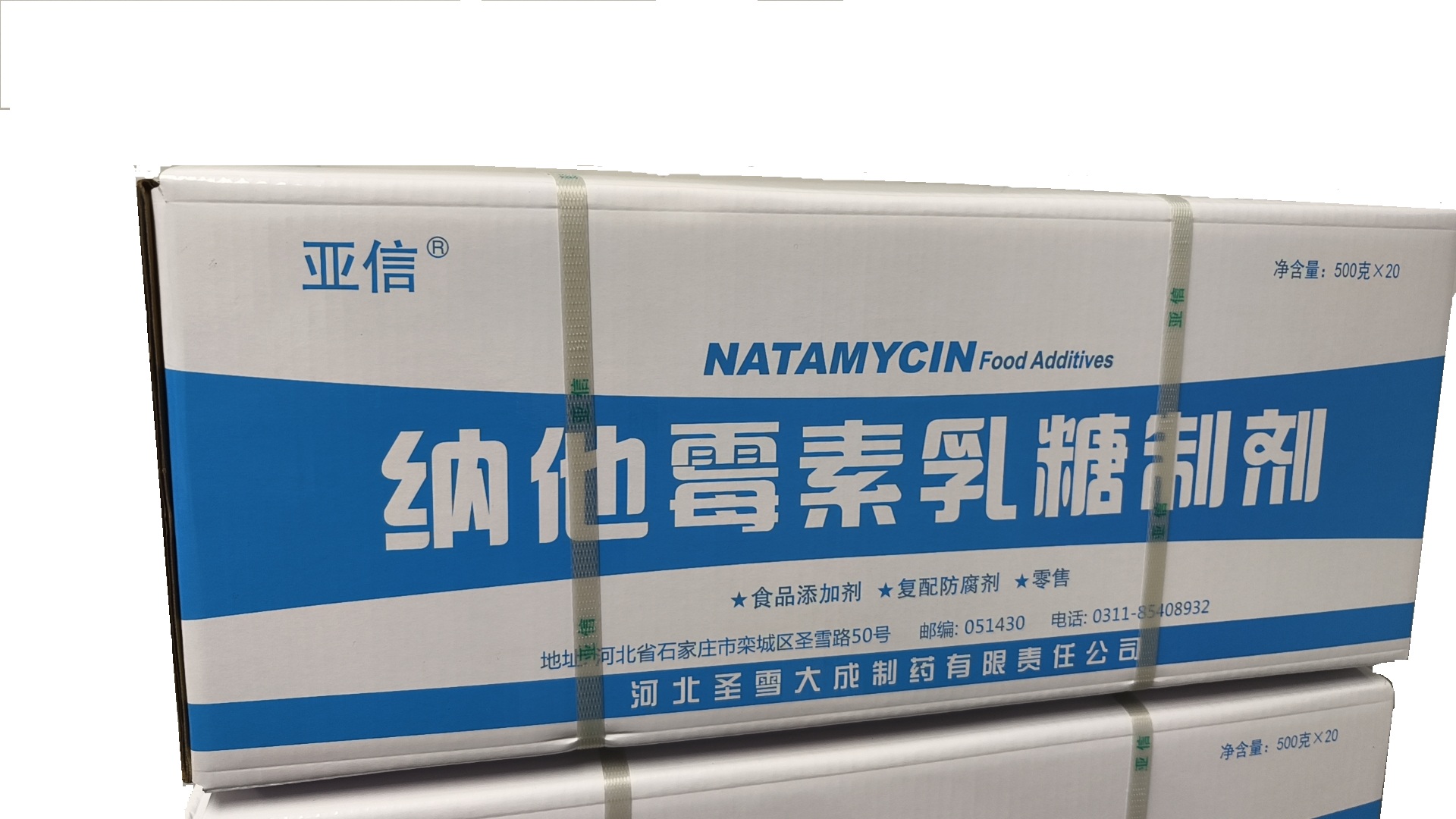
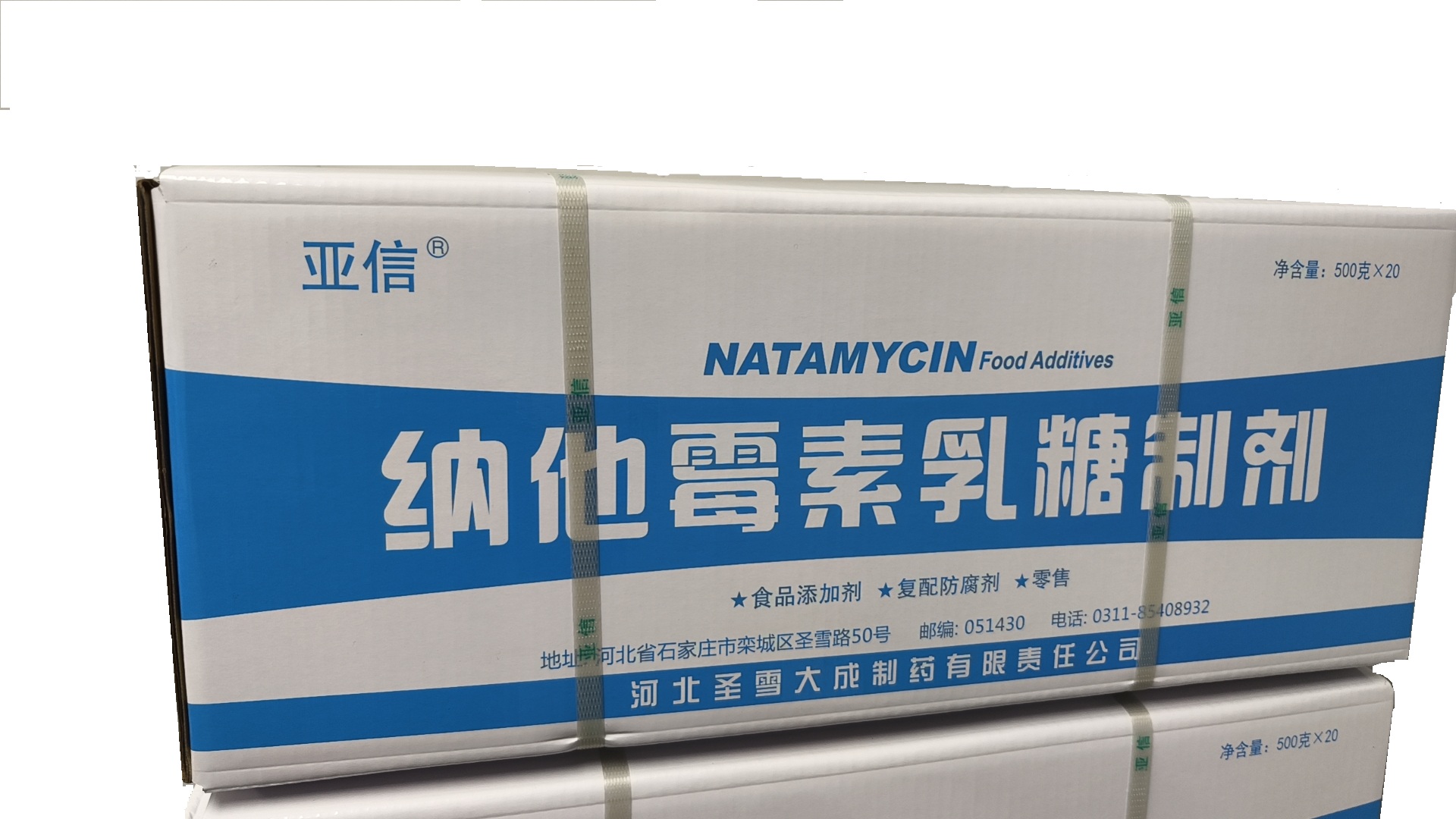
Natamycin Supplier

Natamycin, as a food additive, has undergone extensive and in-depth safety assessment and is considered safe and reliable, as described in the following aspects:
Acute toxicity: The acute toxicity of natamycin is low. The experimental results showed that the LD50 of natamycin was greater than 5g/kg body weight, which belonged to the actual non-toxic level. This means that under normal use, the ingestion of natamycin does not cause acute toxic reactions.
Genotoxicity: A number of genotoxicity tests, such as bacterial mutation recovery test, mouse bone marrow micronucleus test, etc., have shown that natamycin is not genotoxic, does not cause damage to the genetic material of the organism, and does not cause gene mutation and chromosome aberration.
Subchronic and chronic toxicity: In subchronic and chronic toxicity tests, animals were fed diets containing natamycin for a long period of time, and no significant toxic effects were found. There were no abnormal changes related to natamycin in the growth and development of the animals, hematological indexes, blood biochemical indexes and histopathology. Even at high doses, only some minor changes related to drug metabolism were observed, and these returned to normal after stopping dosing.
Teratogenicity and reproductive toxicity: The results of teratogenicity and reproductive toxicity tests on animals showed that natamycin had no adverse effects on the reproductive function and embryonic development of animals. No maternal toxicity, fetal toxicity and teratogenicity were observed at different dose levels, indicating that natamycin would not cause harm to the reproductive system and fetal development within the normal use range.
Human metabolism and residue: After natamycin enters the human body, most of it is not absorbed by the gastrointestinal tract, but is excreted with the feces in its original form. A small amount of absorbed natamycin is rapidly metabolized in the body into inactive products and excreted in the urine. Under normal conditions of use, the residual amount of natamycin in food is extremely low, far below the safe limit standard, will not accumulate in the human body, and will not cause harm to human health.
Other supplier products
|
|
Natamycin |
Chemical Properties ·Natamycin has a polyene planar macrolide structure. The conjugated double bonds interact through van der Waals forces w... |
|
|
Natamycin Supply price |
As a natural biological preservative, natamycin is relatively easy to degrade in the natural environment and will not remain in the environment lik... |
|
|
Nisin Raw Material widely approved |
Nisin is widely approved for use in food globally, with strict safety standards:
GRAS designation: The FDA (U.S.) and EFSA (EU) have classified n... |
|
|
Natamycin Price,in food |
Application of natamycin in foodDairy products: In cheese, yogurt, cream and other dairy products, natamycin can inhibit the growth of mold and yea... |
|
|
Sulfamonomethoxine Sodium Soluble Powder 10% 500g |
Brand Name: Shengxue Qiu KangGeneric Name: Sulfamonomethoxine Sodium Soluble PowderActive Ingredient: Sulfamonomethoxine SodiumDescription: This pr... |
All supplier products
Same products