Sucralose Partners, long-termCooperation

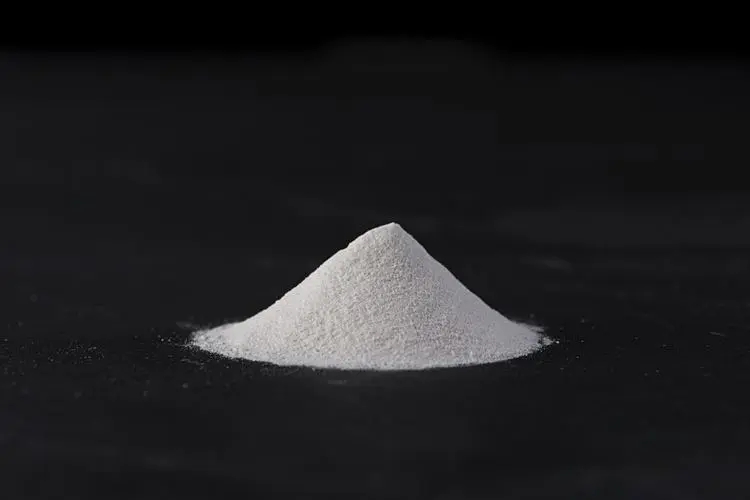
Sucralose is currently a widely used high-potency sweetener globally. Its safety has been verified through decades of toxicological studies, animal experiments, clinical population observations, and risk assessments by multiple authoritative institutions. It is widely recognized as a food additive with high safety, wide applicability, and extremely low risks to human health. Its use within the prescribed limits provides reliable safety guarantees for both normal and sensitive populations.
In terms of toxicology and long-term safety, numerous animal experiments have shown that Sucralose has extremely low acute oral toxicity and belongs to a practically non-toxic substance. Long-term high-dose feeding experiments have not observed any obvious organ toxicity, genetic toxicity, carcinogenicity, or reproductive and developmental toxicity. Even at doses far higher than the normal dietary intake of humans, the test animals did not exhibit abnormal weight, organ damage, embryo teratogenicity, or an increase in tumor incidence. The currently recognized no observable adverse effect level (NOAEL) is relatively high, and combined with the actual exposure levels of humans, the safety margin is sufficient and far below the threshold that may cause health impacts. This provides a solid basis for the safety of daily consumption.
The metabolic characteristics of Sucralose in the human body are an important basis for its safety. Due to the substitution effect of the chlorine atom in its molecular structure, the digestive enzyme system in the human digestive tract is unable to recognize and break down Sucralose, making it almost not absorbed, not metabolized, and not providing calories. The vast majority of it is excreted through feces and urine in its original form. This characteristic ensures that it does not cause blood sugar fluctuations, does not affect insulin levels, and is safe and friendly for people with diabetes, abnormal glucose tolerance, and those on weight loss diets. It also does not allow oral bacteria to utilize and ferment it to produce acid, and is not prone to causing tooth enamel demineralization and corrosion, possessing excellent anti-caries properties.
In terms of population exposure and actual usage safety, the United Nations Food and Agriculture Organization/World Health Organization Joint Expert Committee on Food Additives (JECFA), the United States Food and Drug Administration (FDA), the European Food Safety Authority (EFSA), and the Chinese National Health Commission, among others, have conducted comprehensive risk assessments of Sucralose and set clear daily allowable intake levels (ADI). Under normal dietary conditions, whether it is the intake of a single food or the co-intake of multiple foods containing Sucralose, the actual intake by the human body is far below the ADI limit, and there is no risk of excessive exposure. Even if consumed over a long period, it will not accumulate in the body, and its safety is stable and controllable.
The safety of sensitive populations has also been verified. Infants, pregnant women, the elderly, and patients with chronic diseases, when consuming foods containing Sucralose under normal dietary intake levels, have not shown any adverse health effects. Sucralose itself has no allergenicity and will not induce allergic reactions, and it has no adverse interactions with other common food additives. It is stable and reliable when used in compound food systems.
Regarding the potential impact on the intestinal microecology, some in vitro and animal studies suggest that at extremely high concentrations, it may have a slight impact on some intestinal flora, but the dosage of such experiments is far higher than the actual intake levels of humans. Currently, there is no reliable clinical evidence indicating that the normal dosage of Sucralose will cause substantial damage to the human intestinal health. Main authoritative institutions have comprehensively evaluated and concluded that under compliant usage conditions, such effects can be negligible.
In terms of processing and chemical safety, the structure of Sucralose is highly stable. It does not decompose, does not produce toxic or harmful substances, and does not undergo harmful reactions with food components in conventional food processing environments such as high temperatures, acidity, and alkalinity. It can maintain its structure integrity under conditions such as baking, sterilization, and long-term storage, and will not generate potential risk substances such as chloropropanols. This further ensures the safety of finished food products.
Sucralose has the characteristics of metabolic inertness, no accumulation, no carcinogenicity, mutagenicity or teratogenicity, and a high safety margin. It complies with global food safety standards. When used within the specified application scope and dosage range as stipulated by various national regulations, it provides sufficient safety guarantees. It is currently recognized as one of the artificial high-potency sweeteners with excellent safety performance.
Other supplier products
|
|
Wholesale DL-methionine powder |
DL-Methionine is the most widely used and largest-volume amino acid feed additive globally, playing an irreplaceable role in improving the nutritio... |
|
|
Folic Acid Manufacturer |
Product Introduction: Product name: Folic acid Synonyms: vitamin B9 Chemical name: pteroyl glutamic acid; N-(4-((2-amino-4-oxo-1,4-dihydro-6-pterin... |
|
|
L-leucine Manufacturer 61-90-5 |
L - leucine has several notable performance characteristics related to its physical and chemical properties, as well as its role in biological syst... |
|
|
DL-Alanine Powder 302-72-7 |
DL-Alanine ishighly soluble in waterand has strong hygroscopicity (tendency to absorb moisture from the air). Moisture absorption causes the crysta... |
|
|
L-Threonine 72-19-5 |
Thermal and Chemical Stability of L-ThreonineHeat Resistance: Stable under normal storage conditions but decomposes near its melting point. Prolong... |
All supplier products
Same products