

L-Cystine dihydrochloride Price

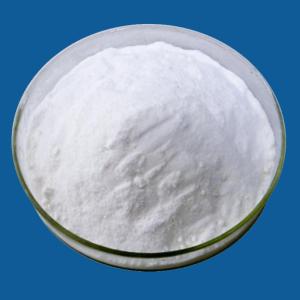
L-Cystine dihydrochloride is the diprotonated dihydrochloride salt of L-cystine, formed by the reaction of L-cystine with 2 equivalents of HCl. Its chemistry is dominated by:
the disulfide bond (–S–S–), protonated amino groups, carboxyl groups, and salt structure.
1. Acidic Property
- Contains two protonated –NH₃⁺ groups and two carboxyl groups (–COOH).
- Aqueous solution is strongly acidic:
- 1% solution/water suspension: pH ≈ 1.0–2.0
- Reacts with strong bases (NaOH, KOH, ammonia water) to form salts and gradually release free L-cystine, which precipitates as pH rises.
2. Stability & Reactivity of the Disulfide Bond
The –S–S– bond is the most chemically active site:
(1) Reduction reaction
Disulfide bond can be cleaved by reducing agents to form two molecules of L-cysteine:
- Reducing agents: NaBH₄, dithiothreitol (DTT), β-mercaptoethanol, Zn/H⁺, H₂/Pd
- Reaction:
(2) Oxidation reaction
Under strong oxidizing conditions (H₂O₂, concentrated HNO₃, KMnO₄),
the disulfide bond is oxidized to sulfinic acid or sulfonic acid derivatives, and the carbon skeleton may be broken.
(3) Disulfide exchange
Reacts with other thiol compounds (cysteine, glutathione) to form mixed disulfides.
3. Salt-forming and Neutralization Reactions
- Reacts with strong bases to neutralize HCl and deprotonate the ammonium groups:
- At low pH: forms mono-salt
- At neutral/weak alkaline pH: precipitates free L-cystine (very low solubility)
- Reacts with silver, lead, mercury salts to form sulfur-containing metal precipitates.
4. Hydrolytic Stability
- Stable to dilute acid at room temperature.
- Under strong acid hydrolysis (6 M HCl, 110 °C), the skeleton remains stable, but partial oxidation may occur under aerobic conditions.
- In strong alkaline hydrolysis, disulfide bonds are easily broken and sulfur may be lost as H₂S.
5. Optical Activity
- Has chiral centers; exhibits stable optical rotation.
- Specific rotation [α]D20 ≈ +225° ~ +240° (in 1 M HCl)
- Racemization occurs only under strong alkali, high temperature, or strong catalytic conditions.
6.Decarboxylation & Thermal Decomposition
- When heated strongly (above ~220 °C), it decomposes rather than melts cleanly.
- Decomposition products may include: CO₂, H₂S, NH₃, thiols, and charred residues.
7. Compatibility
- Incompatible with strong oxidizing agents (causes decomposition, gas release).
- Incompatible with strong bases (causes precipitation of free cystine).
- Slightly hygroscopic but stable under dry, airtight conditions.
Send product request
Other supplier products
 |
L-Alanyl-L-Tyrosine Supply price | Transportation requirements for L-Alanyl-L-Tyrosine1. Temperature controlFrozen transportation: For long-distance transportation, it is recommended... |
 |
N-Acetyl-DL-Tryptophan Powder | N-Acetyl-DL-Tryptophan, also known as DL-α-N-acetyl-β-indolpropionic acid, DL-Acetyltryptophan, has the chemical formula C13H14N2O3 and ... |
 |
Glycyl-glycine Manufacturer | Glycyl-glycine serves as a readily available source of glycine, an essential amino acid involved in numerous biosynthetic pathways. It can be hydro... |
 |
Pidotimod | 1. Basic Information Product Name: Pidotimod Aliases: Pulimo, Puleyi, Pidotimod Main Chemical Component: 3-L-pyroglutamyl-thiazolidine-4-carboxylic... |
 |
L-Cysteine S-Sulfate Na in Cosmetics Industry | Cosmetics IndustryDriven by the demand for natural and safe cosmetic ingredients, L-Cysteine S-Sulfate Na is gradually applied in skin care and hai... |
Same products
 |
L-Cystine dihydrochloride in Laboratory & Chemical Industry | Seller: 846340 | L-Cystine dihydrochloride in Laboratory & Chemical Industry Biochemical research reagent Used... |
 |
L-Cystine dihydrochloride in Animal Feed Industry | Seller: 846340 | L-Cystine dihydrochloride in Animal Feed IndustryFeed nutritional additivePromotes growth of live... |
 |
L-Cystine dihydrochloride Purchase price | Seller: 846340 | L-Cystine dihydrochloride in Cosmetics & Personal Care IndustrySkin conditioning and anti-agi... |
 |
L-Cystine dihydrochloride Partners, long-termCooperation | Seller: 846340 | L-Cystine dihydrochloride in Food & Health Products IndustryFood nutritional fortifierAdded t... |
 |
L-Cystine dihydrochloride Marke quotation | Seller: 846340 | L-Cystine dihydrochloride in Cell Culture & Biomanufacturing Industry Essential additive in c... |

